The U.S. Environmental Protection Agency (EPA) on April 12, recommended substantial emission reductions for new vehicles and trucks through 2032. The agency claims that this proposal may result in two out of every three new cars sold by automakers would be electric.
If adopted, the proposal would be the most aggressive strategy for reducing vehicle emissions in the U.S. to date. It calls for average yearly pollution reductions of 13% and a projected fleet average emissions reduction of 56% by 2026. Through 2032, the EPA is also recommending new, more aggressive emissions requirements for medium- and heavy-duty trucks.
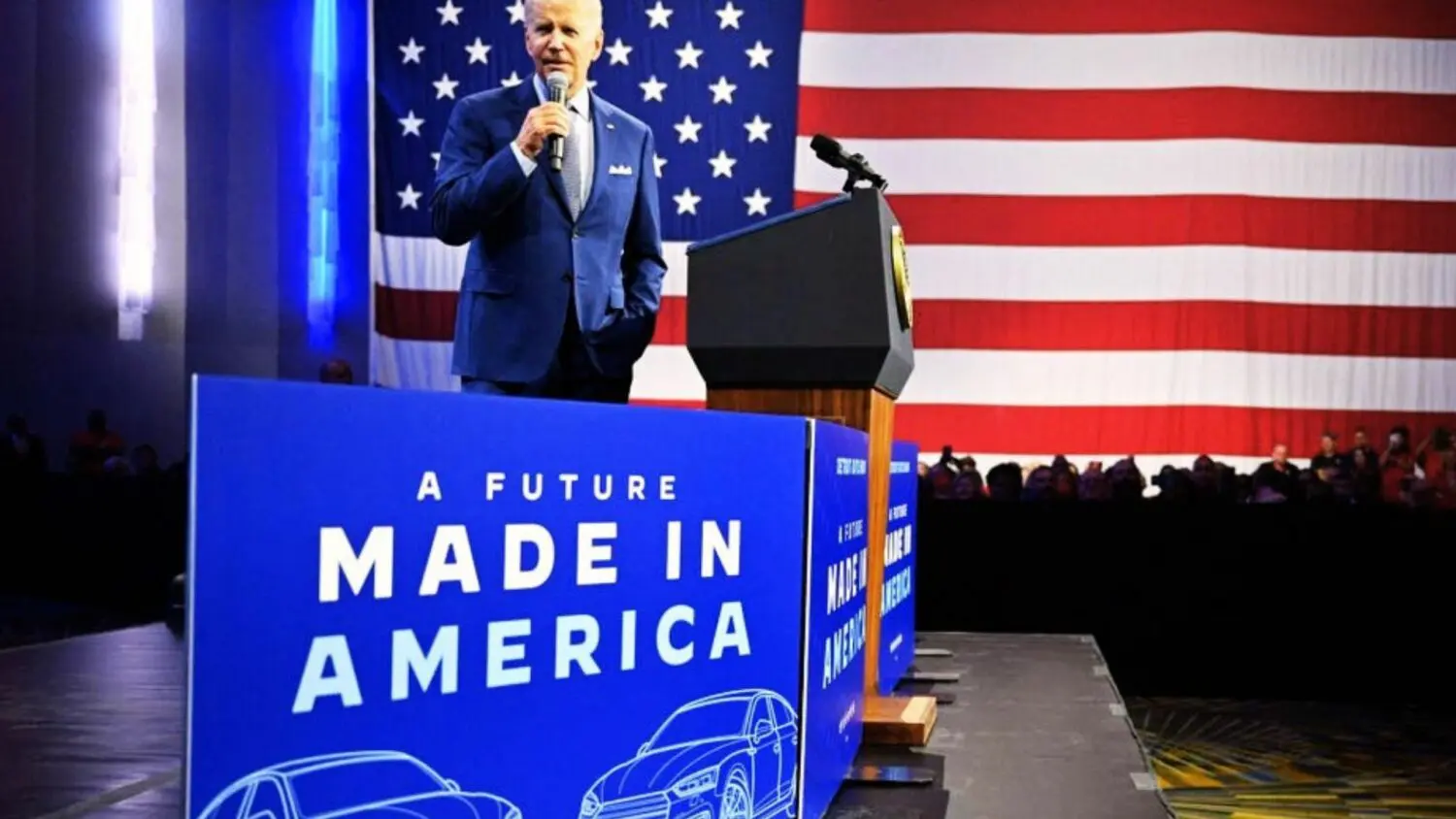
The proposed restrictions would go beyond President Biden’s earlier commitment to have roughly 50% of new vehicles sold by 2030 be EVs, accelerating the nation’s transition to sustainable energy. The limitations would also significantly lower emissions that contribute to global warming from the transportation industry- the main producer of U.S. greenhouse gasses.
According to iSeeCars’ Executive Analyst Karl Brauer, “The Biden Administration’s latest and more aggressive EPA mandates would require an unrealistic level of investment in everything from vehicle production to infrastructure support. The Inflation Reduction Act already illustrated how moving too quickly can actually hurt EV sales, as fewer EVs qualify for tax credits today than qualified 6 months ago.”
Data from Kelley Blue Book shows that despite a surge in EV sales in the U.S. over the past several years, only 5.8% of the 13.8 million new cars sold in the nation last year were EVs, compared to 3.1% the year before.
Baruer mentions, “As EV sales and production numbers rise their costs will drop, ideally at the same rate our infrastructure evolves to support consumer charging needs. The industry and its customers can manage this transition over a reasonable timeframe, but if the shift toward EVs is mandated at an unrealistic pace it could slow the rate of adoption, causing widespread economic pain and, ultimately, increased environmental damage.”
Furthermore, the limitations would define pollution criteria for cars and trucks rather than requiring a specified volume of EV sales annually. This would compel the auto industry to sell a lot more EVs to comply with the requirements. Through 2055, the organization estimates that the requirements will prevent about 10 billion tons of carbon emissions.
According to John Bozzella, CEO of the Alliance for Automotive Innovation, which includes General Motors, Volkswagen, Toyota, and other companies, “a lot has to go right for this massive and unprecedented change in our automotive market and industrial base to succeed.”
Bozzella adds, “Whether EPA standards at these levels are achievable will depend on factors outside the vehicle, such as charging infrastructure, supply chains, grid resiliency, the availability of low carbon fuels, and critical minerals.”