TSLA393.450-31.85%
GM76.0000.48%
F13.350-0.29%
RIVN18.6301.45%
CYD43.390-2.9%
HMC28.0200.76%
TM174.5904.93%
CVNA68.5900.72%
PAG179.4202.34%
LAD306.23015.93%
AN186.4102.08%
GPI288.3901.79%
ABG205.4007.38%
SAH83.7300.68%
TSLA393.450-31.85%
GM76.0000.48%
F13.350-0.29%
RIVN18.6301.45%
CYD43.390-2.9%
HMC28.0200.76%
TM174.5904.93%
CVNA68.5900.72%
PAG179.4202.34%
LAD306.23015.93%
AN186.4102.08%
GPI288.3901.79%
ABG205.4007.38%
SAH83.7300.68%
TSLA393.450-31.85%
GM76.0000.48%
F13.350-0.29%
RIVN18.6301.45%
CYD43.390-2.9%
HMC28.0200.76%
TM174.5904.93%
CVNA68.5900.72%
PAG179.4202.34%
LAD306.23015.93%
AN186.4102.08%
GPI288.3901.79%
ABG205.4007.38%
SAH83.7300.68%

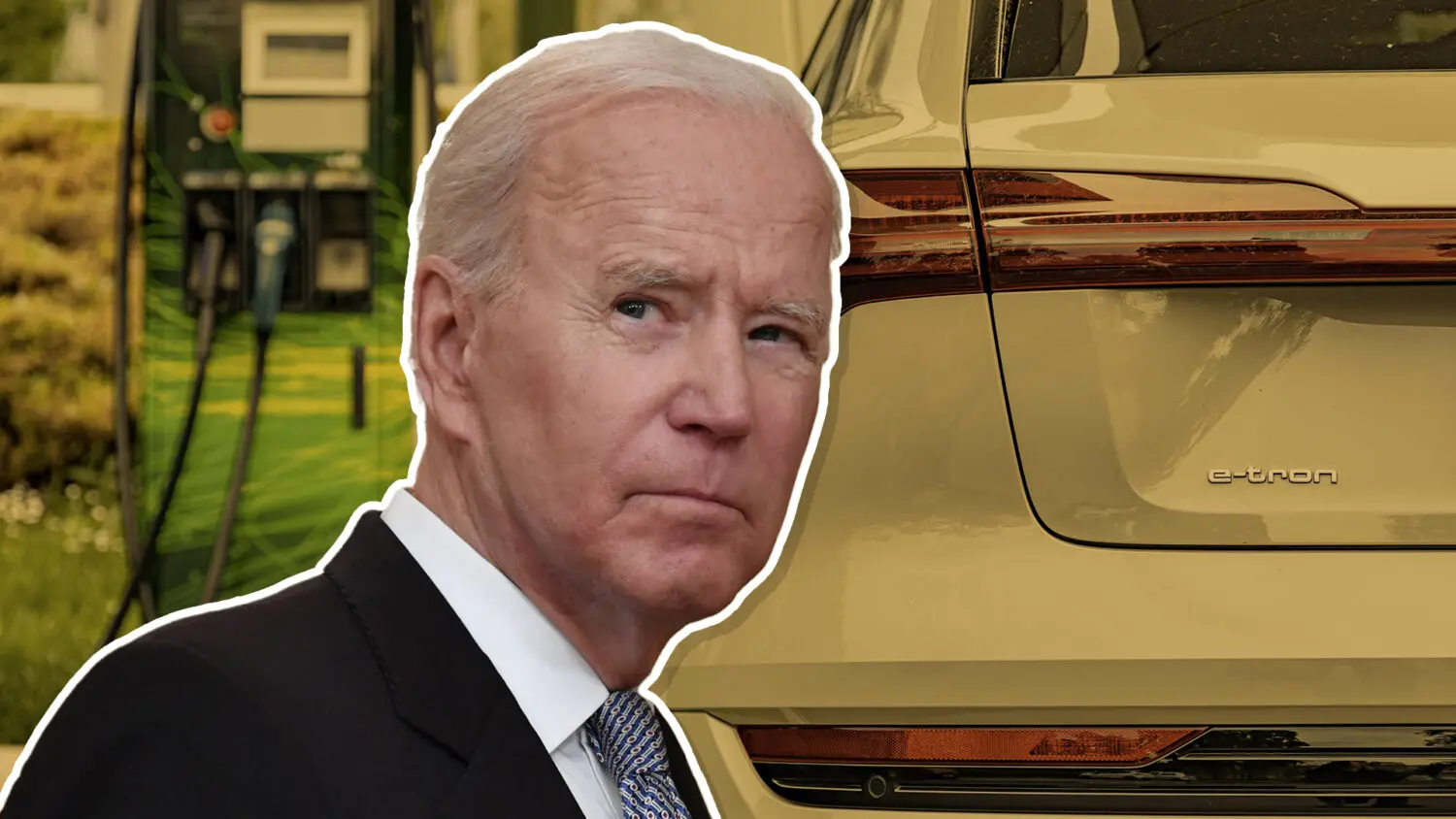
Biden opens applications for first phase of EV charging infrastructure funding

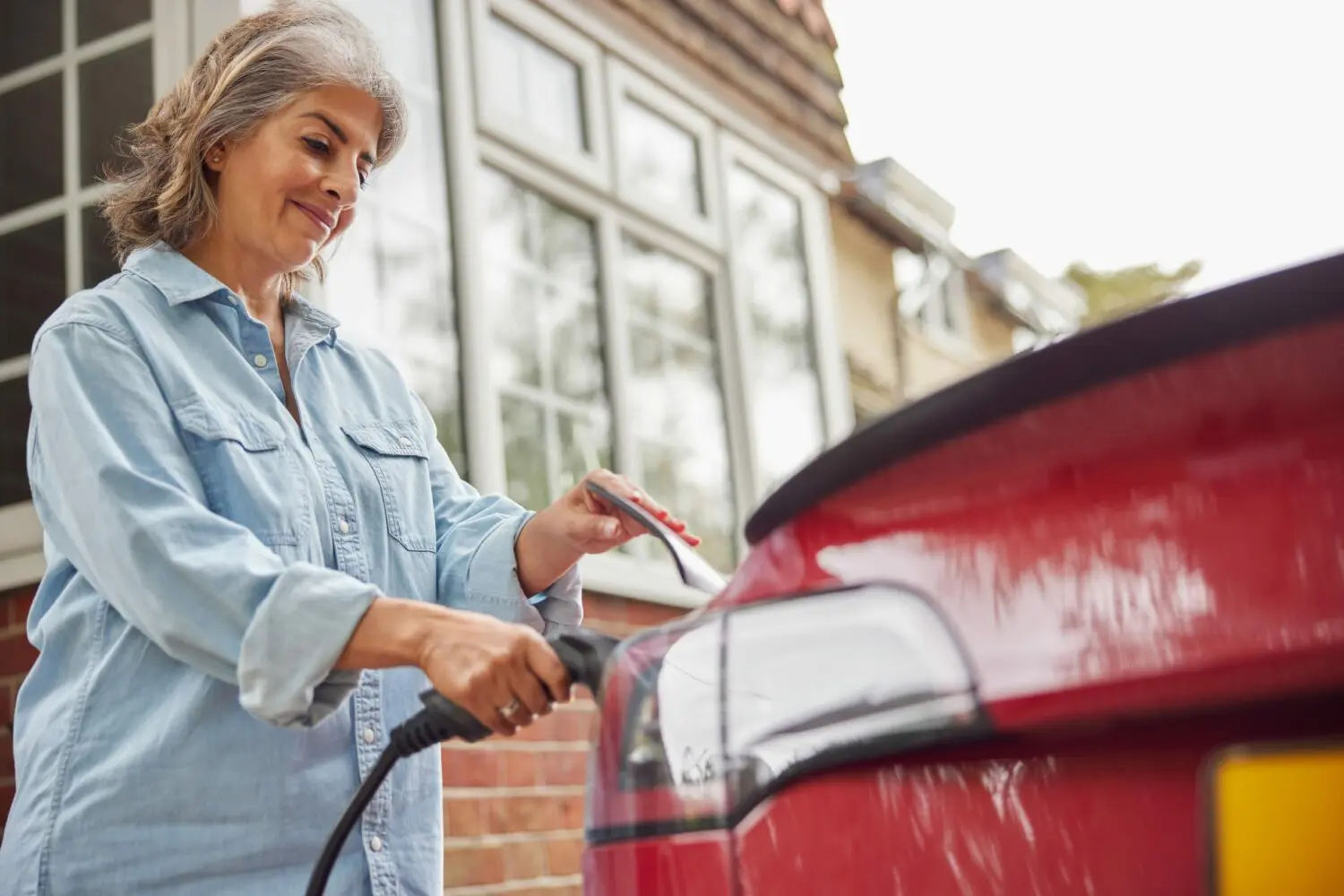
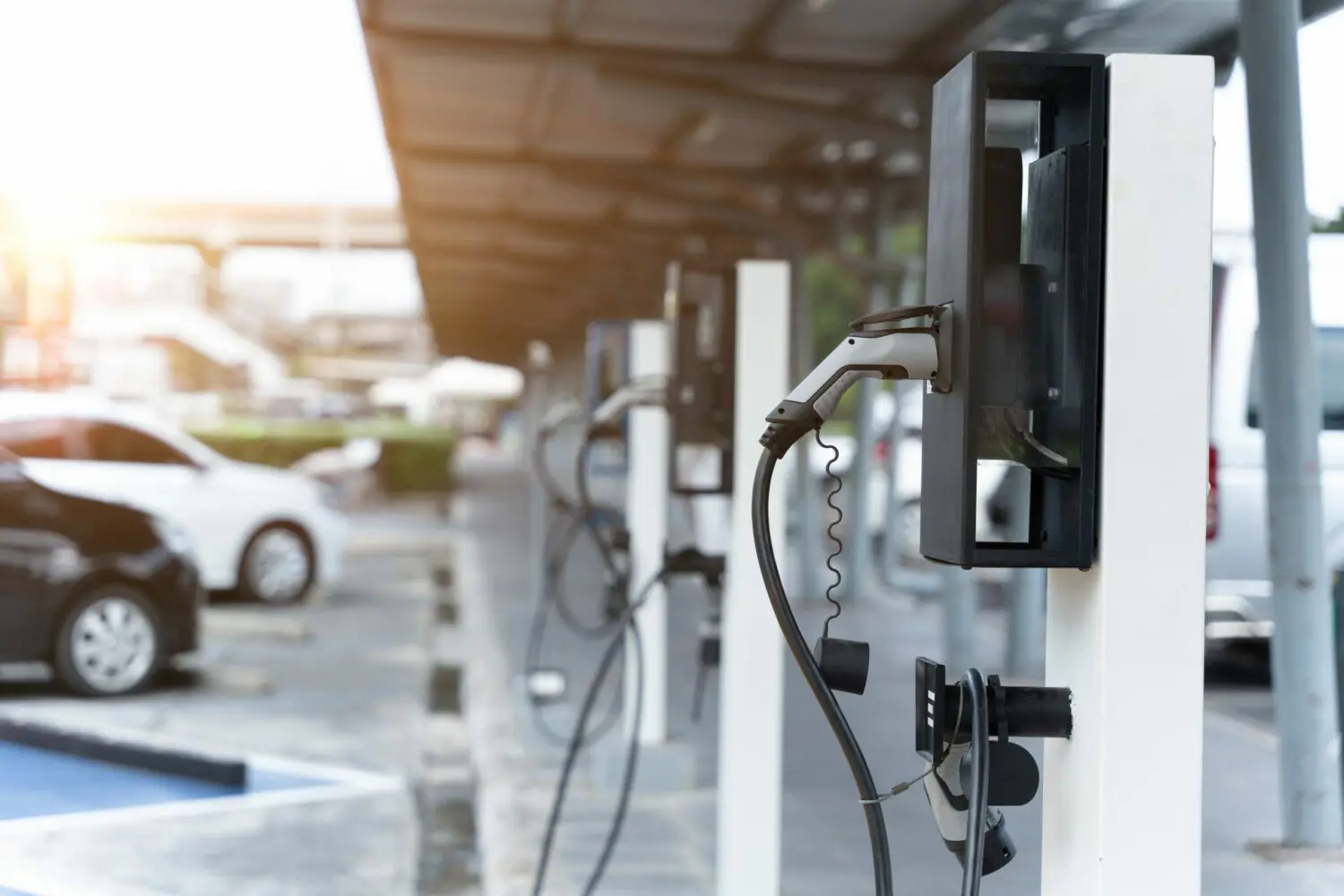
The first round of funding makes up to $700 million in funding from fiscal years 2022 and 2023 available for the strategically placed public EV chargers and infrastructure.
infrastructure funding

On March 14, the White House announced the opening of applications for a $2.5 billion funding program to develop the nation’s urban and rural areas’ infrastructure for EV charging and alternative fueling.

The Charging and Fueling Infrastructure (CFI) program, which was established by the Bipartisan Infrastructure Acts enacted in 2021, offers $2.5 billion over five years to qualifying applicants, which include states, cities, local agencies, and tribes.

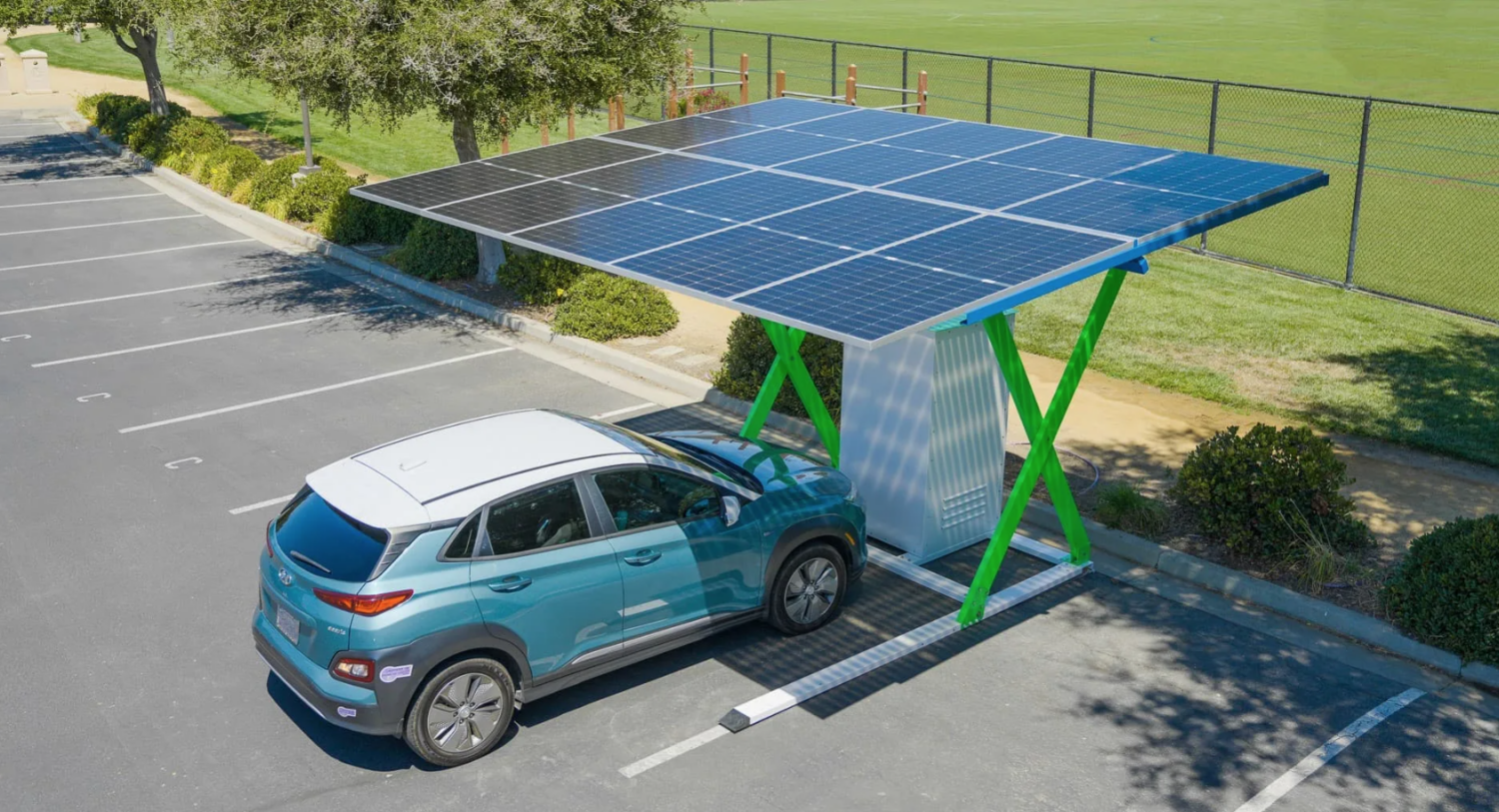
The first round of funding makes up to $700 million in funding from fiscal years 2022 and 2023 available for the strategically placed public EV chargers and infrastructure for refueling with hydrogen, propane, or natural gas in accessible locations in urban and rural communities, as well as along designated Alternative Fuel Corridors (AFCs).

The infrastructure for alternative fuelling and EV charging will be installed along certain motorways, interstates, and major roads as well as in downtown districts and neighborhoods, especially in underprivileged and disadvantaged communities.

A $1.25 billion community program for EV charging and alternative fueling infrastructure built on any public road or other publicly accessible locations, such as schools or parks, and a $1.25 billion corridor program for projects along designated alternative fuel corridors are the two categories into which the grant funding is split. Both categories have a May 30 application deadline.

The National Electric Vehicle Infrastructure (NEVI) Formula Program will provide states with an additional $5 billion over the following five years. The CFI Discretionary Grant Program is created to fill in EV charging gaps in order to realize Vice President Biden’s dream of an EV-friendly cross-country road trip.

The funding opportunity, according to the Biden administration, is a “critical step” toward the objective of creating a national network of 500,000 public EV charging stations. Data from the Energy Department show that as of March 14, there were 51,537 station sites with almost 133,000 public charging outlets in the US.
Further Reading
More from Articles
Feddon Automotive Group sells Fort Walton Mitsubishi to 401 Group

Feddon Automotive Group sells Fort Walton Mitsubishi to 401 Group

- July 2, 2026
Canada's 401 Group of Companies acquired Fort Walton Mitsubishi in Fort Walton Beach, Florida, from Feddon Automotive Group in a transaction that closed on June 30, 2026. The dealership has...

GM tops US sales in Q2 despite 33% drop in EV sales

- July 2, 2026
On the Dash: GM sold 714,896 vehicles in Q2, the most of any automaker, despite a 4.2% year-over-year drop. Hyundai-Kia and Honda both moved up a spot from Q1,...
Nissan

Nissan reports 16 straight months of retail sales growth

- July 2, 2026
On the Dash: Nissan Group reported second-quarter U.S. total sales of 242,741 units, up 9.6% year-over-year, with Nissan Division retail sales increasing 8.8% for the quarter. Frontier, Sentra, and Rogue...
US will not renew USMCA in current form, sets stage for new trade talks

US will not renew USMCA in current form, sets stage for new trade talks

- July 2, 2026
On the Dash: The U.S. rejected a 16-year USMCA renewal, but the pact stays in force until 2036. Trump plans separate bilateral deals with Canada and Mexico, each lasting up...
CBT News
Privacy Overview

This website uses cookies so that we can provide you with the best user experience possible. Cookie information is stored in your browser and performs functions such as recognising you when you return to our website and helping our team to understand which sections of the website you find most interesting and useful.