TSLA379.740-10.48%
GM83.670-2.33%
F11.577-0.3331%
RIVN12.100-0.08%
CYD21.330-0.41%
HMC34.3000%
TM213.8501.42%
CVNA70.750-1.62%
PAG212.0000%
LAD292.780-3.74%
AN178.0700.32%
GPI260.6100.4%
ABG197.2000.03%
SAH58.130-1.35%
TSLA379.740-10.48%
GM83.670-2.33%
F11.577-0.3331%
RIVN12.100-0.08%
CYD21.330-0.41%
HMC34.3000%
TM213.8501.42%
CVNA70.750-1.62%
PAG212.0000%
LAD292.780-3.74%
AN178.0700.32%
GPI260.6100.4%
ABG197.2000.03%
SAH58.130-1.35%
TSLA379.740-10.48%
GM83.670-2.33%
F11.577-0.3331%
RIVN12.100-0.08%
CYD21.330-0.41%
HMC34.3000%
TM213.8501.42%
CVNA70.750-1.62%
PAG212.0000%
LAD292.780-3.74%
AN178.0700.32%
GPI260.6100.4%
ABG197.2000.03%
SAH58.130-1.35%

Toyota scales back October production output due to chip shortage

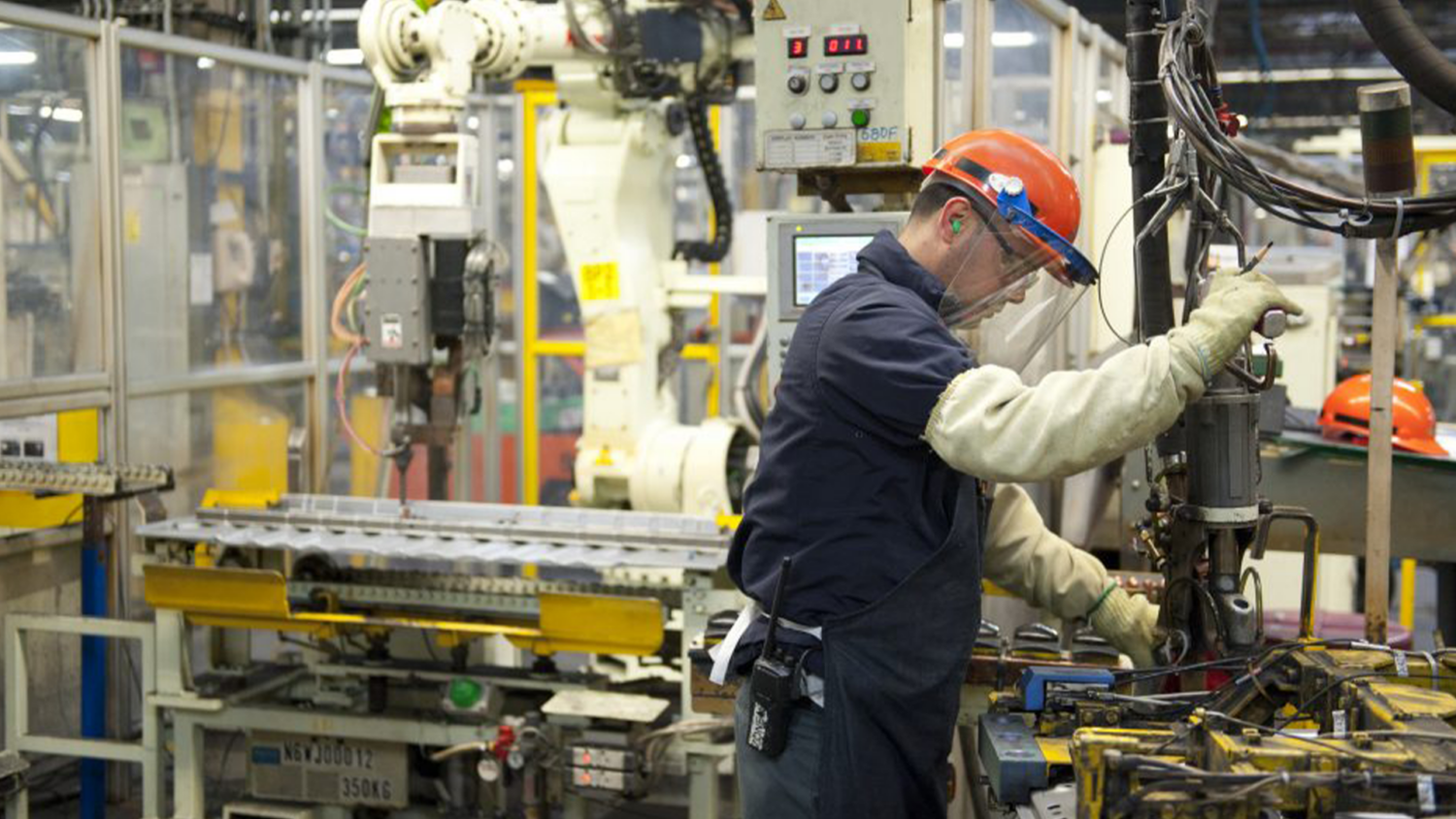
Toyota production

Image by Toyota

The semiconductor chip shortage is still affecting vehicle manufacturers globally, including the world’s largest automaker by sales, Toyota. On Thursday, the Japanese company said it plans to produce only 800,000 vehicles worldwide in October, a figure that is 100,000 less than its average monthly production plan, due to semiconductor shortages.

The news could be a sign that the semiconductor chip shortage will continue to be an issue for manufacturers in the second half of the financial year, which ends in March 2023. Many companies hope to bounce back from production shortfalls caused by the shortage and supply chain issues over the past year.

Toyota has not adjusted its global vehicle production target for the current financial year and still plans to produce 9.7 million units, a record for the company. The automaker said it expects to make around 850,000 vehicles per month on average through the end of the year.

Toyota plans to suspend production for up to 12 days for ten lines at seven of its domestic factories. Honda is also facing reduced outputs as a result of the chip shortage. The rival company announced on Thursday that it would reduce car production output by 40% at two of its Japanese plants in October due to ongoing supply chain and logistical issues.

Morgan Stanley MUFG Securities said in a report this week that the rise in electrified vehicles and advanced driver-assistance systems will require more semiconductors per vehicle. This could stymie hopes that the semiconductor shortage would ease in the coming months.


Did you enjoy this article? Please share your thoughts, comments, or questions regarding this topic by connecting with us at newsroom@cbtnews.com.

Be sure to follow us on Facebook, LinkedIn, and TikTok to stay up to date.

While you’re here, don’t forget to subscribe to our email newsletter for all the latest auto industry news from CBT News.
More from Articles
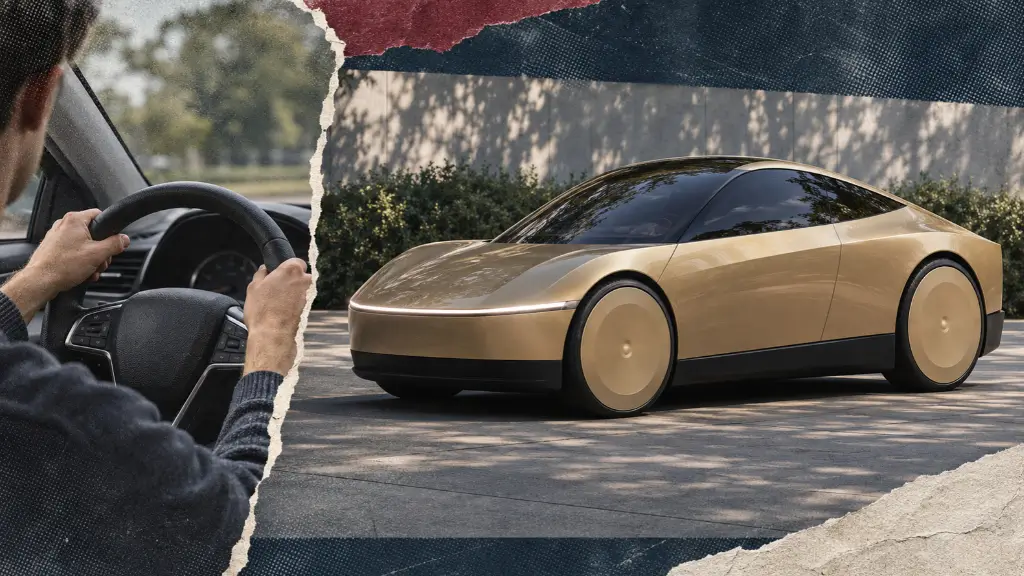
Tesla wants your car keys – and you might not get them back

Tesla wants your car keys – and you might not get them back

- November 16, 2026
Elon Musk wants to change the way Americans think about driving, and his latest move should get every car owner’s attention. Tesla is winding down Cybertruck production at its Texas...
Used-vehicle sales pace slows as inventory and prices ease in October

Used-vehicle sales pace slows as inventory and prices ease in October

- November 16, 2026
On the Dash: Used-vehicle inventory totaled 2.19 million in October, down 0.9% from September but up 0.1% year over year. Retail used-vehicle sales pace fell 2.5% month over month and...
Scout Motors

Scout Motors tops 212,000 reservations for upcoming trucks and SUVs

- November 16, 2026
On the Dash: Scout Motors has secured about 212,000 reservations for its Terra pickup and Traveler SUV, and CEO Scott Keogh said the total could exceed 400,000 before customer production...
NHTSA investigating more than 1M Honda vehicles over stop-start failures

NHTSA investigating more than 1M Honda vehicles over stop-start failures

- November 16, 2026
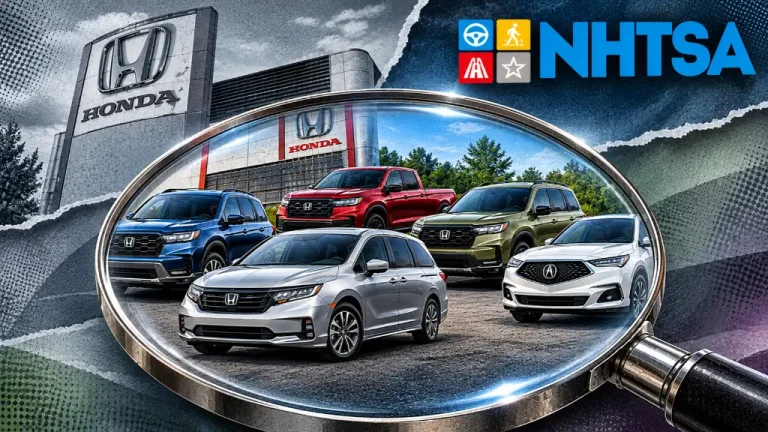
On the Dash: Honda stop-start failures are the focus of a new NHTSA engineering analysis covering 1,033,632 vehicles. The analysis covers 2024-2026 Odyssey, Passport, Ridgeline, Pilot and Acura MDX models...

Add us as a preferred source on Google

CBT News
Privacy Overview

This website uses cookies so that we can provide you with the best user experience possible. Cookie information is stored in your browser and performs functions such as recognising you when you return to our website and helping our team to understand which sections of the website you find most interesting and useful.