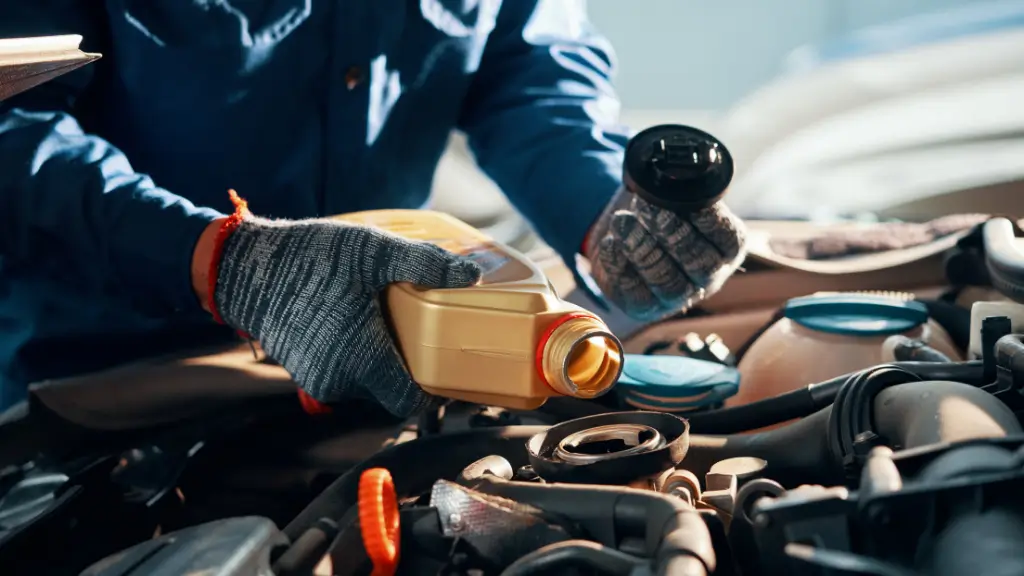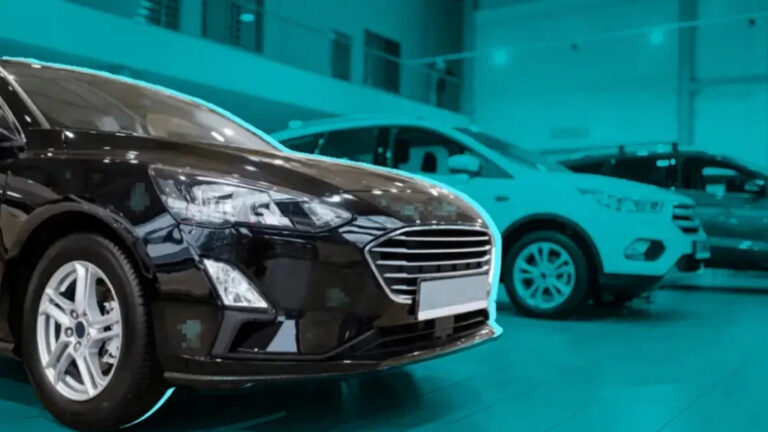

Automotive service centers have to stay on the cutting edge of automotive technology. An advancement the industry has been keeping an eye on in recent years is a trend toward electric cars. In 2018 alone, sales of electric cars rose by 81%, with 361,307 electric vehicle sales compared to 199,826 sold in 2017. If this trend continues, service centers will need to make big changes to accommodate the growing number of electric vehicles that will be on the road.
To prepare for a shift toward electric vehicles, automotive service centers must identify the main differences between the two, and provide the training and tools needed to properly service them.
The three main differences between electric and gas vehicles are motor, battery, and heat source. By preparing for these differences as more electric vehicles become available, automotive service centers will have an advantage over service centers that failed to be proactive.
Electric Engine
The largest difference between gas and electric cars is the engine. Unlike a combustion engine, which relies on burning fuel to power its multiple moving parts, electric engines rely on magnetism. With the help of the car’s battery, these engine-generators can generate the energy needed to power a vehicle.
Technicians who are unfamiliar with electric cars can severely damage an electric car’s engine-generator if they attempt to repair it without the proper training. Worse yet, the conductivity of an electric vehicle can be dangerous, or even deadly, if improper tools or methods are used to service the engine.
Lithium-Ion Battery
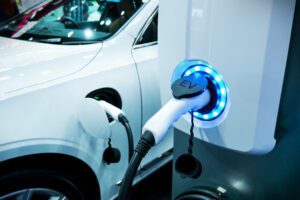
In a combustion engine, the battery, usually a lead-acid battery, powers the starter to start the car. From there, the alternator takes over and supplies the vehicle with its electrical needs. In an electric vehicle, the battery, usually a lithium-ion battery, is responsible for powering the car throughout its journey.
The lithium-ion batteries used in electric vehicles require special tools, including a specialized port for charging. Service centers without this equipment won’t be able to properly diagnose or service an electric vehicle.
Electric Heaters
In a vehicle with a combustion engine, the heating system utilizes heat from the radiator which was generated by the engine. Since electric cars don’t generate heat, another system must be used to provide drivers with a warm, comfortable ride in cold weather. To accomplish this, electric cars are equipped with an electric heater.
Since these heating systems are very different from any system found in traditional vehicles, many technicians won’t be familiar with them. To avoid any danger of the vehicle, or the technician, being injured while servicing electric car heaters, techs should be well-trained before attempting diagnostics or repairs.
Service centers that invest in the training and equipment needed to service electric vehicles will see an immense return on investment as electric cars become more popular. Proactive service centers will be leaders in the maintenance and repair of these vehicles, opening the opportunity to service gas, electric, and hybrid vehicles. By expanding service capabilities, automotive service centers will secure a bright future in these rapidly changing times.