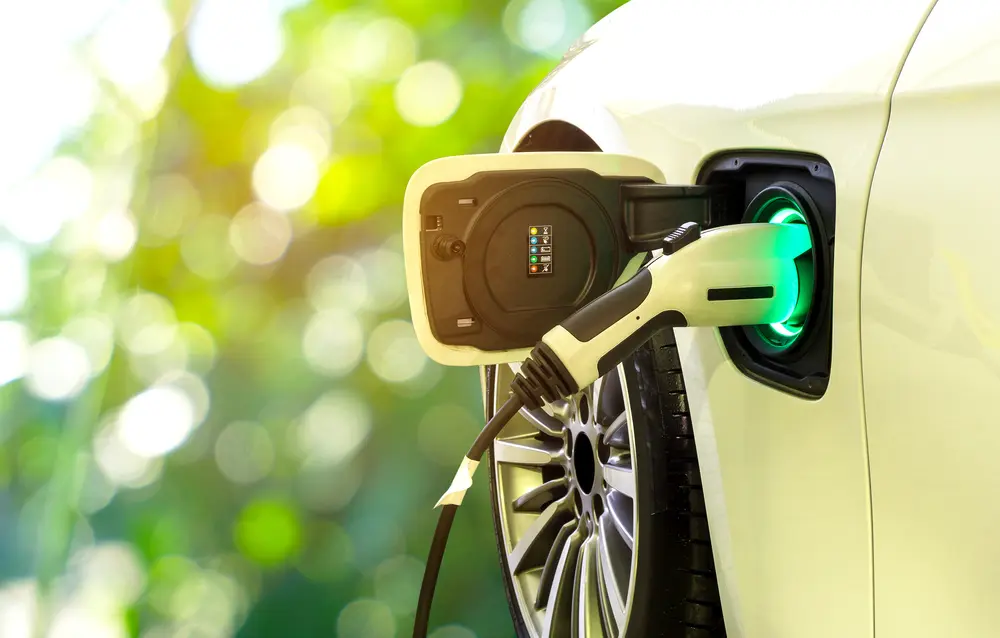
There is a perception in the media that dealerships do not like to sell Electric Vehicles (EV). In candid conversation, dealers would likely not disagree. EV’s represent a threat to the very business of selling and servicing vehicles. Even though most EV’s come with a more expensive price tag, customer experience indicates that dealers are steering customers away from EV’s at the current time.
This creates an interesting standoff as almost every manufacturer has announced plans to increase the number of EV nameplates over the coming years, increasing the number from 14 in 2017 to 85 by the year 2025. As OEM’s continue to press forward with EV’s, here are some things that dealers should expect to see in the coming months and years.
Changes in Retailing
One of the biggest complaints coming from customers trying to buy an EV is that salespeople do not know the product. The technology, mechanics, and ideology behind EV’s is so drastically different than their fossil-fuel-burning counterparts that it will take a concerted effort by OEM’s and dealers alike to train sales personnel on the new products and bring them up to speed on how to sell them.
This is one of the areas where Tesla’s controversial factory-owned retail points have a distinct advantage. Tesla produces EV’s exclusively and their salespeople are trained specifically on EV’s. The customer experience you get trying to buy an EV at a Tesla retail point is quite different than the experience at, say, a Chevrolet or Nissan dealership, for example. With this in mind, you can expect that manufacturers will need to reevaluate the training process and requirements for those boots-on-the-ground that are expected to sell and train buyers on new EV’s. In addition to better training, it would not be surprising to see more manufacturers experiment with a different retail model for EV’s that mirrors the techniques and strategies employed at Tesla retail locations.
A Change in Fixed-Ops
Aside from not understanding the product, the biggest reason dealers do not want to sell EV’s is because of what they mean to Fixed-Ops. Experts say everything in the back of the store from vehicle repair, parts and body shops to service customer retention, will be disrupted if the coming tidal wave of electric vehicles sells in high volume. The reason being is that EV’s will require less maintenance than traditional cars and trucks and could eventually put the traditional service department out of business. Think about it. No oil and filters need to be changed. There are no fluids in the radiator to check or flush, no air or fuel filters or spark plugs to change, no transmission to service, no drive belts to replace and regenerative braking systems indefinitely extend the life of brake pads and rotors. Doing away with these repairs will cut a deep gash in dealership fixed-ops. Experts suggest that dealerships re-examine their customer retention metrics. Without all of the maintenance intervals highlighted above, it is not reasonable to expect to see an EV owner as regularly as a fuel-burning vehicle owner. A new set of rules and marketing strategies for retention will need to be employed in order to reach these customers and stay relevant to them after the sale. One advantage a dealership does have with EV’s is that customers are generally not trusting of the aftermarket with new technology for full electric vehicles. While customer visit frequency and overall spend will be down, dealerships can position themselves to capitalize on their expertise with these vehicles once the warranty has expired.