

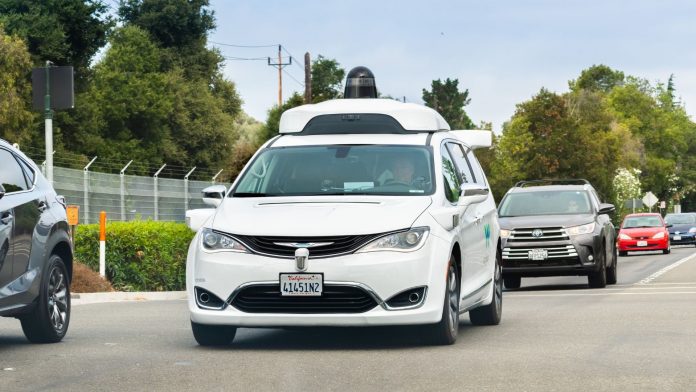
On the Dash:
- Waymo is the first U.S. robotaxi provider to operate fully driverless vehicles on highways, expanding beyond city streets.
- Highway rides strengthen Waymo’s position against human-driven taxis and ride-hailing services while potentially reducing trip times.
- Limited rollout emphasizes safety and gradual scaling as autonomous vehicles expand on freeways.
Waymo is set to become the first robotaxi provider in the United States to offer fully driverless rides on highways, beginning Wednesday in San Francisco, Phoenix, and Los Angeles. The service will operate 24 hours a day for users who have opted in to the company’s new features, with plans to gradually expand access over time.
The expansion beyond urban streets positions Waymo to better compete with traditional taxis and ride-hailing services, which are not restricted from operating on freeways. By using highways, Waymo vehicles can potentially shorten trip times, no longer needing to navigate routes that avoid major roads.
Notably, Waymo relies on the same software stack and sensor suite used for city driving, augmented with closed-course and simulation testing to handle highway conditions. Vehicles are programmed to maintain traffic speeds up to the limit and, if necessary, safely exit the freeway to a nearby road.
U.S. rivals are also testing autonomous highway driving, but most still require human safety monitors. Tesla has launched a self-driving cab service in Austin with monitors in the driver seat for highway rides, while its purpose-built “Cybercab” is slated for production next year.
Waymo is expanding its coverage in the Bay Area to include San Jose, as well as access to San Jose International Airport, where the company will charge the same airport access fee as traditional taxis.
Efforts are ongoing to secure similar permissions at San Francisco International Airport. Currently, Waymo operates a fleet of 1,000 cars in the San Francisco Bay Area, 700 in Los Angeles, 500 in Phoenix, 200 in Austin, and 100 in Atlanta. The company stated that it does not anticipate that the freeway service will significantly contribute to local congestion.