TSLA365.27512.856%
GM79.6002.77%
F12.6750.515%
RIVN16.0950.195%
CYD42.320-2.41%
HMC24.175-0.025%
TM212.1801.12%
CVNA373.68014.41%
PAG157.4700.67%
LAD281.8002.74%
AN201.010-1.24%
GPI339.0201%
ABG207.4501.72%
SAH68.1300.06%
TSLA365.27512.856%
GM79.6002.77%
F12.6750.515%
RIVN16.0950.195%
CYD42.320-2.41%
HMC24.175-0.025%
TM212.1801.12%
CVNA373.68014.41%
PAG157.4700.67%
LAD281.8002.74%
AN201.010-1.24%
GPI339.0201%
ABG207.4501.72%
SAH68.1300.06%
TSLA365.27512.856%
GM79.6002.77%
F12.6750.515%
RIVN16.0950.195%
CYD42.320-2.41%
HMC24.175-0.025%
TM212.1801.12%
CVNA373.68014.41%
PAG157.4700.67%
LAD281.8002.74%
AN201.010-1.24%
GPI339.0201%
ABG207.4501.72%
SAH68.1300.06%

Volkswagen unveils standardized EV battery cell to power future models

The standardized battery cell will power about 80% of VW models by 2030.
Volkswagen unveils unified EV battery cell, set to power 80% of its models by 2030 with production starting this year.

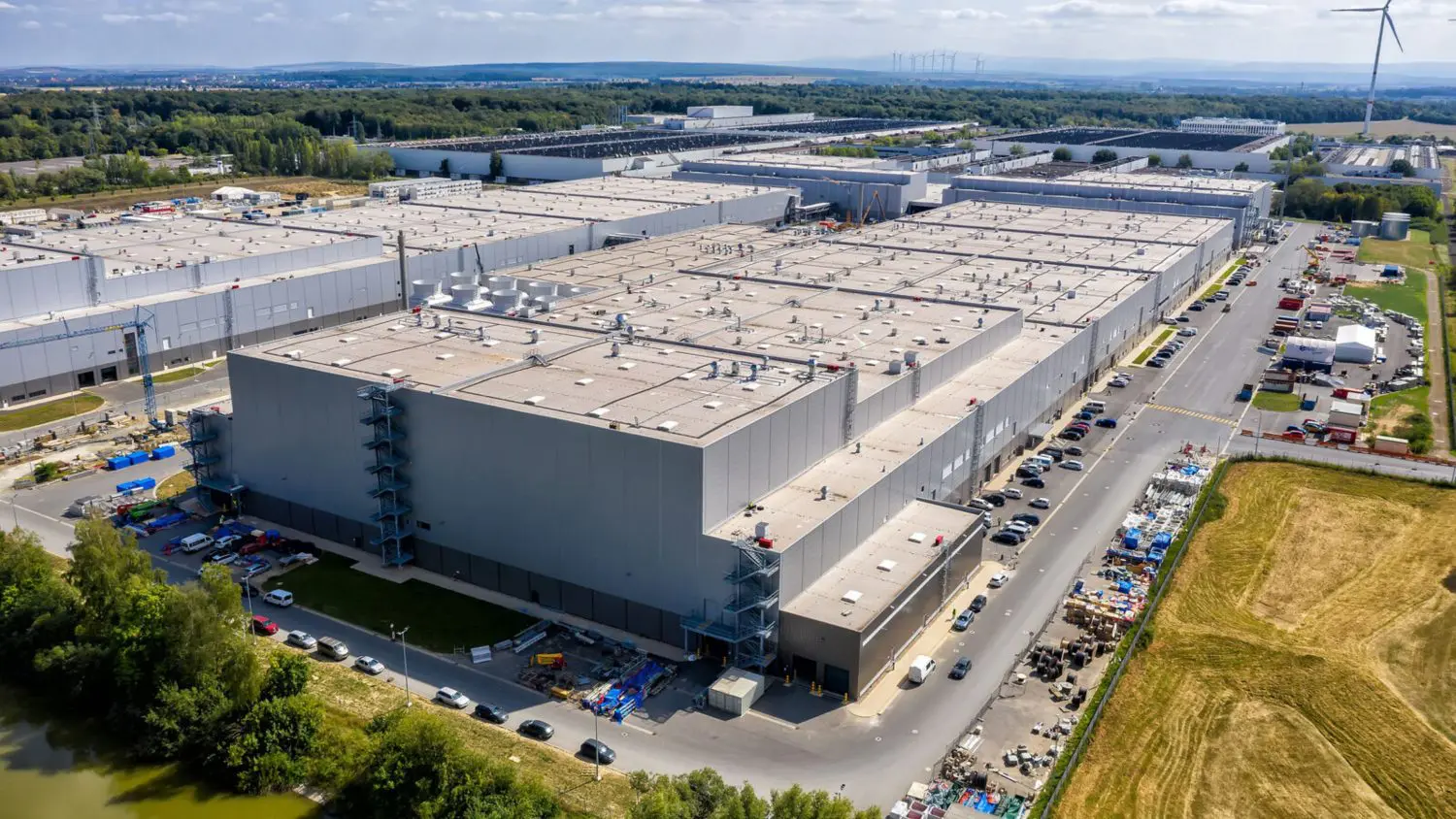
VW's Gigafactory Salzgitter | Photo By: Volkswagen

On the Dash:

  • Volkswagen introduced a prismaticunified cellthat will power 80% of its EV lineup by 2030, debuting in affordable models in 2026.
  • Production will start at VW’s Salzgitter, Germany plant this year, with expansion to Spain and Canada by 2027.
  • The design supports multiple chemistries, cell-to-pack integration, and will also be used in large-scale stationary energy storage.

Volkswagen has unveiled its first production-ready standardized battery cell, a move designed to power the majority of its future electric vehicles while cutting costs and streamlining manufacturing. The prismaticunified cell,developed by VW subsidiary PowerCo, was introduced this week at IAA Munich and will debut in the company’s entry-level EV lineup launching in 2026.

The new cell is central to Volkswagen’s strategy to overcome high battery costs and limited scale, two challenges that have weighed heavily on profitability across the auto industry. By unifying cell design across its portfolio, Volkswagen expects to achieve economies of scale similar to Tesla, a company that remains one of the few automakers generating consistent profit from EVs. The group plans to integrate the cell into 80% of its EVs by 2030, spanning brands from Volkswagen and Škoda to Audi and Porsche.

Sign up for CBT News’ daily newsletter and get the latest industry stories delivered straight to your inbox.

Series production will begin within weeks at VW’s Salzgitter, Germany facility, with additional plants in Spain and Canada scheduled to come online in 2026 and 2027. The unified cell will initially feature nickel manganese cobalt (NMC) chemistry before expanding into lithium iron phosphate (LFP), sodium-ion, and eventually solid-state technologies. Executives say the prismatic shape allows the cell to adapt to multiple chemistries and vehicle sizes, supporting both 400-volt and 800-volt architectures.

The technology will debut in VW’s newElectric Urban Car Familybuilt on the MEB+ platform, which includes the Volkswagen ID. Polo, ID. Cross, and Cupra Raval hatchback. The unified cell is expected to deliver up to 279 miles of range and a 10% improvement in energy density compared to VW’s previous batteries.

Volkswagen is also adopting cell-to-pack technology, which eliminates modules and integrates cells directly into the battery pack. This design reduces cost and weight while increasing available space, a strategy also seen in Ford’s recently overhauled EV platform, Rivian’s R2, and GM’s Ultium program.

Half of Volkswagen’s battery cell production will be sourced from suppliers such as CATL, Samsung SDI, LG Energy Solution, and Gotion. Beyond vehicles, VW plans to deploy the cells in large-scale stationary energy storage through its Elli energy company, which is preparing to launch its first 40-megawatt-hour installation by year-end.


Read More
More from Articles
Lucid funds

Lucid secures $750 million funding, appoints new CEO 

- April 14, 2026
On the Dash: Lucid’s Uber partnership signals growing momentum in demand for fleets and robotaxi beyond traditional retail channels. Continued funding highlights both investor confidence and the sector's ongoing capital...
Navy Federal’s Cost of Car Ownership (COCO) Index shows spike in vehicle ownership costs driven by gasoline prices

Navy Federal’s Cost of Car Ownership (COCO) Index shows spike in vehicle ownership costs driven by gasoline prices

- April 14, 2026
VIENNA, Va.--(BUSINESS WIRE)--Navy Federal Credit Union today released the latest iteration of its Cost of Car Ownership (COCO) Index, revealing a record-high in the cost of owning a vehicle. The COCO...
Ford pushes to block Chinese EVs as it rolls out gas incentives in high-cost states

Ford pushes to block Chinese EVs as it rolls out gas incentives in high-cost states

- April 14, 2026
On the Dash: Ford’s policy stance signals continued pressure for protectionist measures that could shape future inventory mix and pricing strategy. Gas card incentives highlight ongoing consumer sensitivity to the...
Tesla rolls out Spring 2026 update

Tesla rolls out Spring 2026 update with AI, self-driving push

- April 14, 2026
On the Dash: Tesla continues to use software updates to drive recurring revenue, particularly through simplified FSD subscription access and usage tracking. Hardware dependency is increasing, creating a clearer distinction...
CBT News
Privacy Overview

This website uses cookies so that we can provide you with the best user experience possible. Cookie information is stored in your browser and performs functions such as recognising you when you return to our website and helping our team to understand which sections of the website you find most interesting and useful.