TSLA401.61012.71%
GM81.8103.76%
F12.9900.5499%
RIVN17.6250.735%
CYD42.6000.2781%
HMC25.3951.035%
TM218.3755.515%
CVNA392.94530.70501%
PAG162.3906.37%
LAD288.62513.755%
AN208.67010.38%
GPI351.65016.16999%
ABG214.70010.61%
SAH71.0203.65%
TSLA401.61012.71%
GM81.8103.76%
F12.9900.5499%
RIVN17.6250.735%
CYD42.6000.2781%
HMC25.3951.035%
TM218.3755.515%
CVNA392.94530.70501%
PAG162.3906.37%
LAD288.62513.755%
AN208.67010.38%
GPI351.65016.16999%
ABG214.70010.61%
SAH71.0203.65%
TSLA401.61012.71%
GM81.8103.76%
F12.9900.5499%
RIVN17.6250.735%
CYD42.6000.2781%
HMC25.3951.035%
TM218.3755.515%
CVNA392.94530.70501%
PAG162.3906.37%
LAD288.62513.755%
AN208.67010.38%
GPI351.65016.16999%
ABG214.70010.61%
SAH71.0203.65%

Volkswagen Tennessee plant workers push unionization efforts forward

Over 4,000 autoworkers at VW's Chattanooga factory are qualified to vote for union representation
Workers at Volkswagen Tennessee facility have submitted a petition to the National Labor Relations Board on March 18, asking to join the UAW

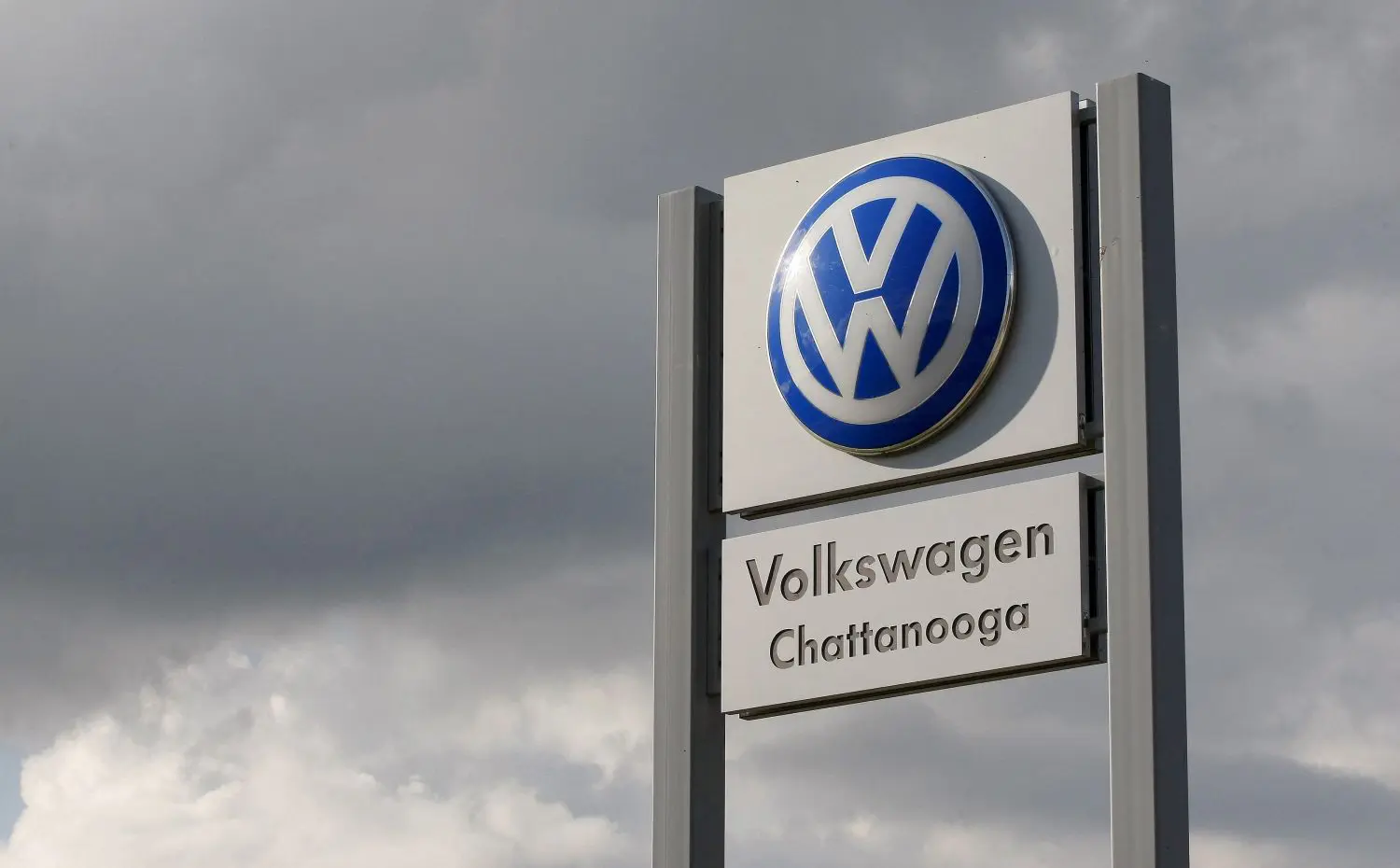
Volkswagen assembly plant in Chattanooga, Tenn | Tami Chappell | Reuters

Workers at Volkswagen Tennessee facility have submitted a petition to the National Labor Relations Board on March 18, asking for a vote to join the United Auto Workers.

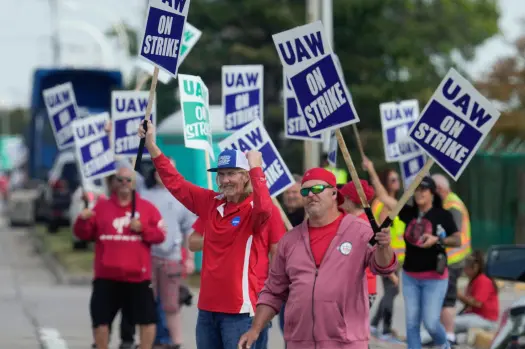
Volkswagen workers at the Chattanooga, Tennessee plant have signed union cards, achieving a “supermajority” in the United Auto Workers’ efforts to organize nonunionized facilities. However, VW employees at the Chattanooga, Tennessee, plant rejected union representation in 2019.

Over 4,000 autoworkers at VW’s Chattanooga factory, the company’s only assembly facility in the U.S., are qualified to vote for union representation. VW supports the democratic process and the freedom to unionize its employees. The corporation stated, “We favor an NLRB vote to allow each team member to cast a private ballot in this crucial decision. The NLRB will set the election timeline.”

VW pays its production workers between $23.40 and $32.40 per hour, with a four-year grow-in period to peak rates. The UAW negotiated hourly rates with the Detroit manufacturers last year, which are higher than VW production workers earn. These earnings, which include anticipated cost-of-living adjustments, or COLA, range from roughly $25 to $36 per hour. Top earnings for production workers are predicted to rise above $42 per hour by the time the UAW contracts expire.

After obtaining record contracts with the Detroit automakers late last year, the UAW turned its attention to 13 nonunion automakers in the U.S., including VW.

The UAW’s drive affects approximately 150,000 autoworkers from the following automakers: Nissan, Rivian, BMW, Honda, Hyundai, Lucid, Mazda, Mercedes-Benz, Toyota, Volkswagen, and Volvo.
Further Reading
More from Articles
GM leans on global production to supply U.S. market amid cost pressures

GM leans on global production to supply U.S. market amid cost pressures

- April 17, 2026
On the Dash: Imported inventory may create variability in delivery timing and supply consistency. Trade policy shifts could impact the pricing and availability of certain models. Global production strategies may...
Volkswagen ends U.S. EV output, triggering $600 million financial hit 

Volkswagen ends U.S. EV output, triggering $600 million financial hit 

- April 17, 2026
On the Dash: Slower EV demand may impact inventory planning and turn rates for electric models. Production pullbacks could tighten EV supply or shift sourcing toward imports. Ongoing cost pressures...
March sales surge tightens inventory, affordability gaps persist

March sales surge tightens inventory, affordability gaps persist

- April 17, 2026
On the Dash: Faster March sales improved inventory flow, but demand remains uneven heading into Q2. Limited sub-$40K inventory continues to constrain volume opportunities. Rising incentives indicate growing pressure to...
Independent shops are gaining ground, but dealerships retain advantages in expertise, loyalty, and digital tools: New CDK Service Shopper 5.0 survey shows

Independent shops gain ground as dealerships face mounting pressure

- April 17, 2026
On the dash: Independent shops are gaining share, but dealerships still lead at 42% overall service volume. Dealerships win on expertise, OEM parts access, EV repairs, and stronger customer loyalty...
CBT News
Privacy Overview

This website uses cookies so that we can provide you with the best user experience possible. Cookie information is stored in your browser and performs functions such as recognising you when you return to our website and helping our team to understand which sections of the website you find most interesting and useful.