On the Dash:
- UAW gains at Volkswagen and organizing pressure at Mercedes-Benz signal broader wage increases that could lift MSRPs and compress margins.
- Expanding union activity in major Southern plants may disrupt production flow, creating tighter and less predictable inventory for dealers.
- Rising labor costs could force automakers to adjust incentives, allocations, and production timing, impacting dealer planning and sales consistency.
The United Auto Workers’ successful unionization of Volkswagen’s Chattanooga plant and its organizing efforts at Mercedes-Benz’s Alabama facility signal a shift that extends beyond factory workers and directly impacts franchised dealerships nationwide. These developments could reshape dealership cost structures and operational stability. This wave of union activity creates ripple effects across dealership operations, most notably affecting vehicle supply stability, production costs, and pricing power. These pressures directly influence dealership competitiveness in a tightening market.
UAW calls VW contract a “breakthrough”
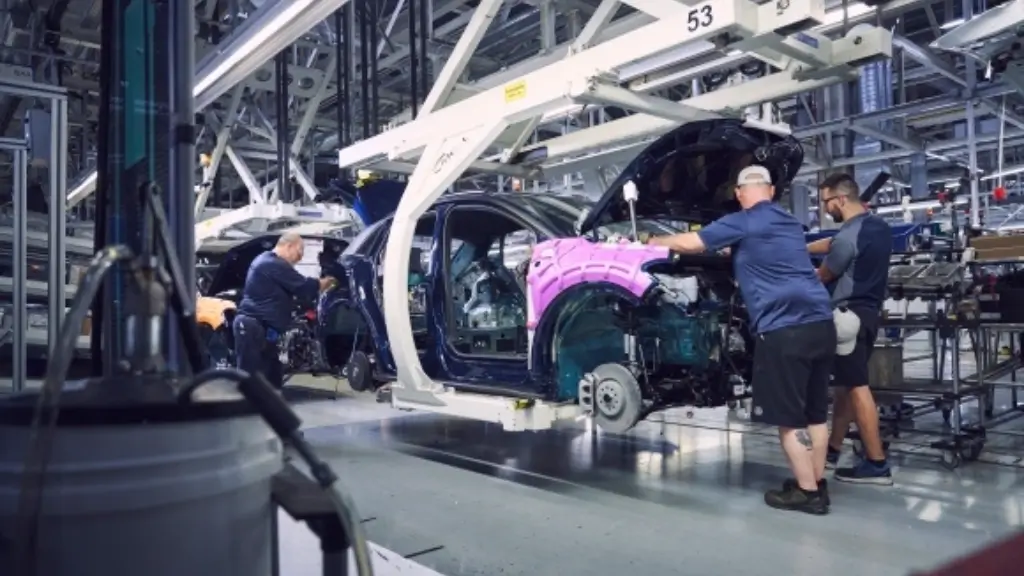
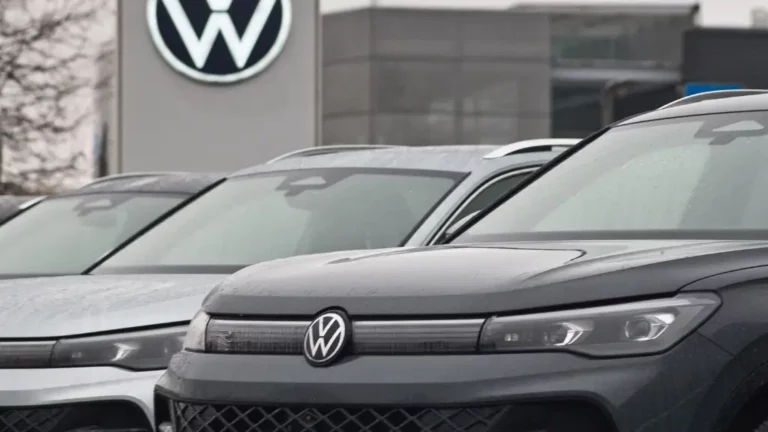
At Volkswagen’s Chattanooga plant, 3,200 workers ratified a UAW contract, marking the first major Southern unionization breakthrough in decades. The UAW positions this outcome as a catalyst for additional organizing efforts at non-union plants across the region and the broader U.S. market. As the union expands its presence within Volkswagen’s U.S. operations, it drives cost adjustments that influence vehicle pricing and availability across the brand’s lineup.
UAW intensifies unionization efforts
The UAW also intensifies its focus on Mercedes-Benz’s assembly plant in Tuscaloosa, Alabama. The facility employs more than 6,000 workers and produces key volume and profitability models, including the GLE, GLS, EQS, and EQE. For Mercedes-Benz dealers, the plant’s output drives retail performance and inventory planning. Any labor shifts, negotiations, or production disruptions directly impact dealers by limiting model supply, reducing sales opportunities, and complicating inventory management across U.S. supply channels.
What spreading unionization means for U.S. dealerships
The Volkswagen agreement includes significant wage and benefit increases, reflecting a broader trend of rising labor costs across OEM facilities. Continued unionization efforts across the industry drive cost normalization, increase MSRPs, reduce incentive flexibility, tighten margins, and force OEMs to adjust dealership support strategies.
Historically, automakers concentrated production in the Southeast due to its lower union presence. However, after Volkswagen’s Chattanooga vote, the UAW signals plans to target additional non-union facilities across the South. For dealerships, these efforts create less predictable inventory flows, especially for high-demand models, and introduce potential delays in new model-year rollouts, which complicates sales planning and customer delivery timelines.
The UAW’s momentum in the South marks a new phase for the U.S. auto industry and directly affects dealerships by reshaping costs, inventory stability, pricing structures, and long-term profitability models.