TSLA400.62011.72%
GM81.3203.27%
F12.8700.43%
RIVN17.2300.34%
CYD43.2600.9381%
HMC25.0000.64%
TM217.2004.34%
CVNA387.50025.26%
PAG161.3205.3%
LAD283.0408.17%
AN207.9909.7%
GPI349.94014.46%
ABG211.4407.35%
SAH70.7003.33%
TSLA400.62011.72%
GM81.3203.27%
F12.8700.43%
RIVN17.2300.34%
CYD43.2600.9381%
HMC25.0000.64%
TM217.2004.34%
CVNA387.50025.26%
PAG161.3205.3%
LAD283.0408.17%
AN207.9909.7%
GPI349.94014.46%
ABG211.4407.35%
SAH70.7003.33%
TSLA400.62011.72%
GM81.3203.27%
F12.8700.43%
RIVN17.2300.34%
CYD43.2600.9381%
HMC25.0000.64%
TM217.2004.34%
CVNA387.50025.26%
PAG161.3205.3%
LAD283.0408.17%
AN207.9909.7%
GPI349.94014.46%
ABG211.4407.35%
SAH70.7003.33%

Union says auto industry benefiting from human rights abuses

The United Auto Workers (UAW) union is demanding automakers across the country cease operations in the Xinjiang region of China, over accusations of human rights abuses.
Human Rights Abuses

The United Auto Workers (UAW) union is demanding automakers across the country cease operations in the Xinjiang region of China, over accusations of human rights abuses.

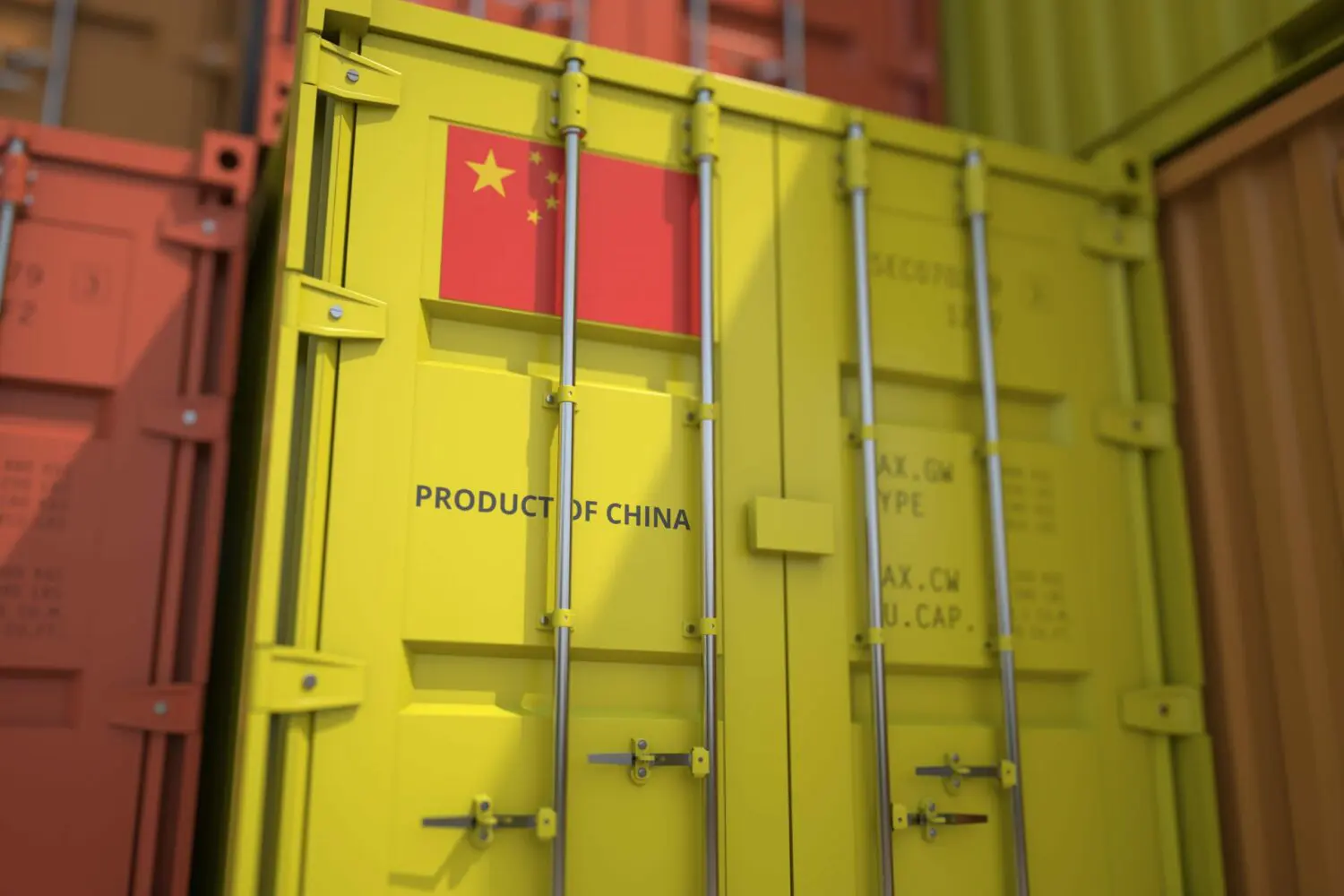
Xinjiang is one of the country’s autonomous regions, occupied by a large Uyghur Muslim population. Automakers heavily rely on the local industry’s mining, processing and manufacturing operations, with virtually every major brand, including U.S. based Ford and GM, sourcing vehicle components from the area. Over the last few years, lawmakers and activists have increasingly voiced suspicions that several ethnic groups including the Uyghur are victims of human rights abuses perpetrated by the Chinese government, with some claiming they are being used as forced labor specifically in Xinjiang.

In its declaration, UAW referenced research conducted by Sheffield Hallam University in the U.K., which concluded that “forced labor is apparent at multiple steps” in the industry’s automaking process. The union urged companies to find different suppliers in order to avoid human rights abuses.

EU tax credits, human rights abusesMore: EU seeks changes to ‘discriminatory’ U.S. Inflation Reduction Act

UAW also called upon lawmakers to be more proactive in tackling the issue. In 2021, the Biden administration called the alleged human rights abuses a “genocide,” and introduced a ban on products from the Xinjiang region which were manufactured with forced labor. The legislation was passed with bipartisan support in the House and Senate, and went into effect earlier this year. Banned imports are typically handled by Customs and Border Protection services, who can investigate shipments and deny entry into the U.S. The president has also sought to bring manufacturing operations back into the U.S., reducing reliance on Chinese labor.

Chinese President Xi Jinping and the Biden administration have clashed over trade relations throughout the year, largely due to President Biden’s semiconductor restrictions and Inflation Reduction Act. While the auto industry has yet to respond to neither UAW’s demands nor claims of forced labor, Beijing continues to fiercely deny any humans rights abuses in Xinjiang.


Did you enjoy this article? Please share your thoughts, comments, or questions regarding this topic by connecting with us at newsroom@cbtnews.com.

Be sure to follow us on Facebook, LinkedIn, and TikTok to stay up to date.

While you’re here, don’t forget to subscribe to our email newsletter for all the latest auto industry news from CBT News.
More from Articles
STL launches ‘Neuralis’ in the US: A high-performance Data Center portfolio engineered for the AI era

STL launches ‘Neuralis’ in the US: A high-performance Data Center portfolio engineered for the AI era

- April 17, 2026
Washington, United States, 17/April/2026: STL Optical Connectivity NA, LLC,  (STLOC),  a U.S. subsidiary of STL [NSE: STLTECH], a leading connectivity solutions provider for AI-ready digital infrastructure, today announced the U.S. launch of Neuralis, its flagship...
GM leans on global production to supply U.S. market amid cost pressures

GM leans on global production to supply U.S. market amid cost pressures

- April 17, 2026
On the Dash: Imported inventory may create variability in delivery timing and supply consistency. Trade policy shifts could impact the pricing and availability of certain models. Global production strategies may...
Volkswagen ends U.S. EV output, triggering $600 million financial hit 

Volkswagen ends U.S. EV output, triggering $600 million financial hit 

- April 17, 2026
On the Dash: Slower EV demand may impact inventory planning and turn rates for electric models. Production pullbacks could tighten EV supply or shift sourcing toward imports. Ongoing cost pressures...
March sales surge tightens inventory, affordability gaps persist

March sales surge tightens inventory, affordability gaps persist

- April 17, 2026
On the Dash: Faster March sales improved inventory flow, but demand remains uneven heading into Q2. Limited sub-$40K inventory continues to constrain volume opportunities. Rising incentives indicate growing pressure to...
CBT News
Privacy Overview

This website uses cookies so that we can provide you with the best user experience possible. Cookie information is stored in your browser and performs functions such as recognising you when you return to our website and helping our team to understand which sections of the website you find most interesting and useful.