On the Dash:
- Automakers are increasing investments in AI, robotics and automation to improve efficiency, safety and global competitiveness.
- The UAW is signaling that automation and workforce protections could become larger issues in future labor negotiations.
- Expanding automation may help lower production costs and improve manufacturing flexibility, but it also raises concerns about long-term employment levels.
The increasing use of artificial intelligence, robotics, and automation has become a major point of contention between automakers and organized labor. Both sides argue that this technology could shape the future of the U.S. auto industry.
At this week’s UAW Constitutional Convention in Detroit, UAW President Shawn Fain identified AI and robotics as potential threats to workers. He expressed concerns that employees are not benefiting from the productivity gains these new technologies create. Union leaders contend that automation could diminish job opportunities and further pressure manufacturing employment.
This issue has grown more pressing as automakers ramp up their investments in advanced manufacturing systems. Manufacturers consider robotics and automation essential tools for maintaining competitiveness in a fast-evolving global market. Industry analysts note that automakers face increasing pressure to enhance efficiency, especially as Chinese manufacturers expand and improve their production capabilities.
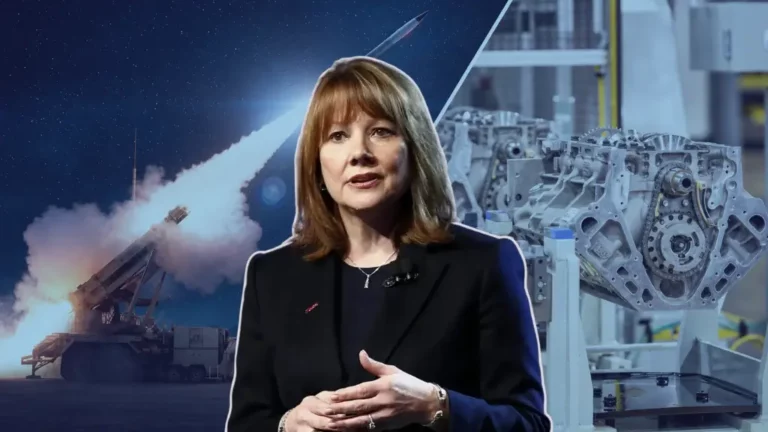
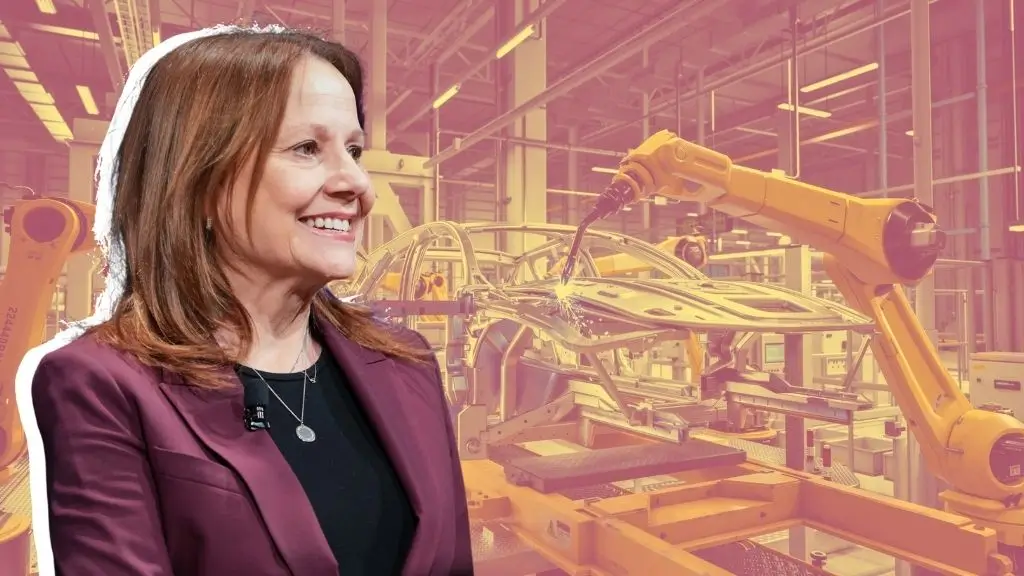
Companies also highlight the safety, ergonomics, and quality enhancements that collaborative robots, or “cobots,” bring to the factory floor. For example, General Motors has installed approximately 50 cobots at its Factory ZERO facility in Detroit. GM claims the technology supports employees by enhancing safety, flexibility, and operational efficiency. However, union leaders have criticized the timing of this deployment, noting that GM laid off more than 1,000 workers at its EV plant due to a decline in demand for battery-electric vehicles.
Automakers across North America are intensifying their use of robotics and AI-driven manufacturing systems. Hyundai operates more than 1,000 robots and automated guided vehicles at its EV plant in Georgia. Stellantis employs cobots in several North American facilities, while Ford plans extensive automation as part of a $2 billion investment in its Louisville Assembly Plant.
Analysts expect automation to continue expanding, particularly in electric vehicle facilities, where manufacturers can integrate new technologies more easily than in older assembly plants. While cobots are designed to collaborate with employees, experts warn that the industry is increasingly moving toward greater levels of automation. The central debate now revolves around how automakers will share productivity gains and what role human workers will play as manufacturing technology advances.