
TSLA417.920-4.32%
GM74.710-0.15%
F13.310-0.0899%
RIVN13.440-0.3501%
CYD49.648-0.3519%
HMC25.515-0.665%
TM188.290-2.39%
CVNA68.3951.225%
PAG162.3500.17%
LAD268.3806.46%
AN185.7901.64%
GPI320.5606.94%
ABG181.5702.4%
SAH74.8650.905%
TSLA417.920-4.32%
GM74.710-0.15%
F13.310-0.0899%
RIVN13.440-0.3501%
CYD49.648-0.3519%
HMC25.515-0.665%
TM188.290-2.39%
CVNA68.3951.225%
PAG162.3500.17%
LAD268.3806.46%
AN185.7901.64%
GPI320.5606.94%
ABG181.5702.4%
SAH74.8650.905%
TSLA417.920-4.32%
GM74.710-0.15%
F13.310-0.0899%
RIVN13.440-0.3501%
CYD49.648-0.3519%
HMC25.515-0.665%
TM188.290-2.39%
CVNA68.3951.225%
PAG162.3500.17%
LAD268.3806.46%
AN185.7901.64%
GPI320.5606.94%
ABG181.5702.4%
SAH74.8650.905%

U.S. new-vehicle inventory slips in June while prices continue to rise

new-vehicle inventory

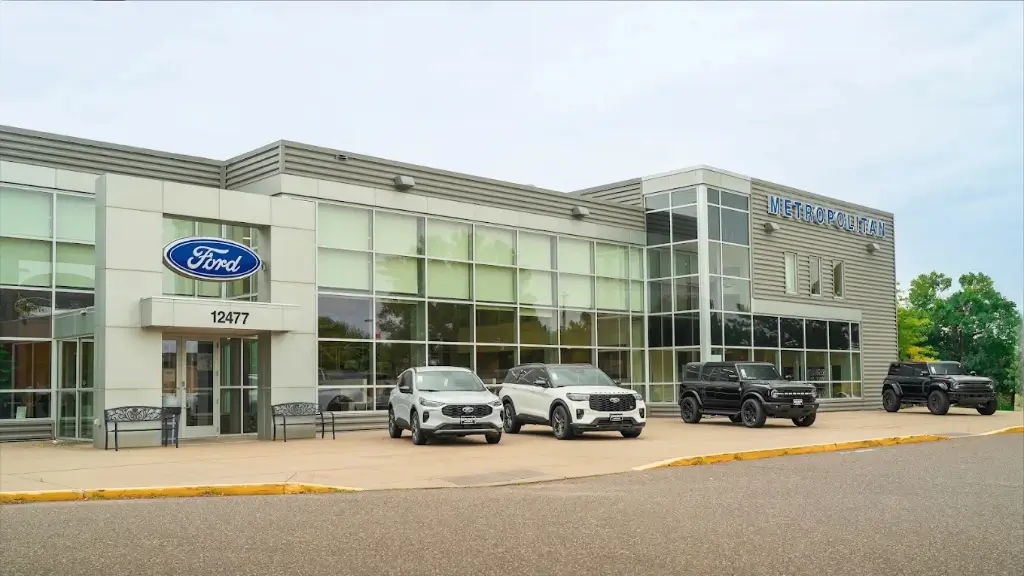
As of early June, new-vehicle inventory across U.S. dealerships fell to 2.47 million units, marking a 0.6% decline from May and a 12.2% drop year over year. While the market has cooled from its springtime sales surge, many dealers are maintaining leaner lots as they cautiously navigate ongoing tariff uncertainty. The average new-vehicle days’ supply increased slightly to 70, up from 67 at the end of April but still nine days lower than the same time last year.

Cox Automotive data indicates that retail sales momentum continued to slow through May, with the 30-day pace down 5.3% from earlier in the month. However, the current pace is only 1.5% below May 2024 and aligns with historical seasonal patterns. The result is a more normalized market environment compared with the elevated activity seen in March and April.

Sign up for CBT News’ daily newsletter and get the latest industry stories delivered straight to your inbox.

Despite the dip in volume, dealers are benefitting from greater pricing control. At the end of May, the average listing price for a new vehicle rose to $48,883, a 0.5% month-over-month increase and 3.2% higher than the same period last year. Most automakers are holding steady on broad price hikes, instead relying on reduced incentives and modest fee increases to manage profitability without triggering sharp consumer pushback.

Dealers also appear to be limiting their intake of next-model-year inventory. Historically, around 7% of available units at this time of year would be next-model-year vehicles. Currently, that figure stands closer to 3%, suggesting that automakers are delaying model transitions as they evaluate how to price vehicles amid tariff developments. Notable exceptions include BMW and Genesis, which each have approximately one-third of their stock allocated to 2026 models.

Conversely, Mitsubishi’s inventory is heavily weighted toward prior-model-year vehicles, with 40% of its stock comprising vehicles from previous model years. Mitsubishi’s pricing remains largely unchanged, while BMW saw a 2% price increase and Genesis’ prices remained stable.

Looking ahead, dealers may experience continued stability in pricing and moderate shifts in inventory. While major price spikes appear unlikely, consumers should expect fewer promotional deals as manufacturers carefully manage supply and pricing in response to tariff-related pressures and evolving demand.


Read More
More from Articles
Used-vehicle inventory rebounds in April as prices continue climbing

Used-vehicle inventory rebounds in April as prices continue climbing

- May 18, 2026
On the Dash: Used inventory improved in April, but supply remains historically tight and below year-ago levels. Rising listing prices indicate consumer demand continues to outpace available inventory. Affordable used...
GM launches Collision Assistance tool across brand mobile apps

GM launches Collision Assistance tool across brand mobile apps

- May 18, 2026
On the Dash: GM is expanding its digital ownership tools, which could strengthen long-term customer retention and service engagement. Dealership collision centers inside the GM Collision Repair Network may benefit...
Tesla hikes Model Y prices in U.S. market

Tesla hikes Model Y prices in U.S. market

- May 18, 2026
On the Dash: Tesla continues to adjust EV pricing as automakers balance demand, margins, and inventory strategies. Higher Model Y pricing could impact EV affordability and competitive positioning in the...
Mercedes-Benz CEO tells WSJ automaker is open to defense production

Mercedes-Benz CEO tells WSJ automaker is open to defense production

- May 18, 2026
On the Dash: Mercedes-Benz CEO Ola Källenius says the company's precision engineering makes it a natural fit for military hardware production. Other European automakers, including Volkswagen and Rheinmetall, are expanding...
CBT News
Privacy Overview

This website uses cookies so that we can provide you with the best user experience possible. Cookie information is stored in your browser and performs functions such as recognising you when you return to our website and helping our team to understand which sections of the website you find most interesting and useful.