

On the Dash:
- U.S. auto tariffs on EU imports lowered to 15%, retroactive to Aug. 1, easing costs for automakers.
- European carmakers saw stock gains, with Porsche jumping nearly 4% on the announcement.
- Broader trade talks continue, with steel and aluminum tariffs still unresolved.
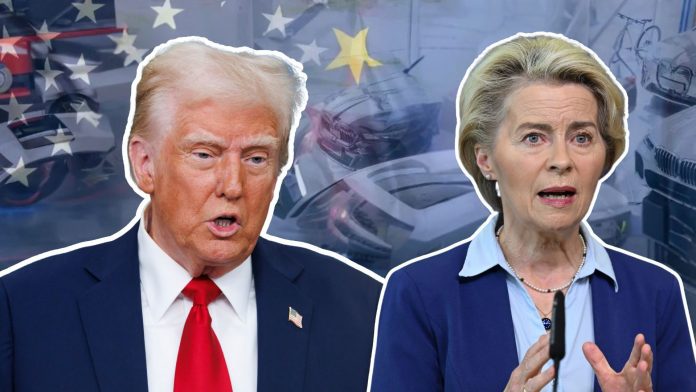
The United States has reduced tariffs on European Union auto imports to 15%, retroactive to Aug. 1, in a move aimed at easing transatlantic trade tensions and giving relief to automakers that rely heavily on U.S. sales.
The tariff cut, published Monday in the Federal Register by the Department of Commerce and the Office of the U.S. Trade Representative, locks in a framework trade agreement reached nearly two months ago at President Donald Trump’s golf course in Scotland.
European automakers welcomed the decision, with shares of Volkswagen, Porsche, and Mercedes-Benz climbing after the announcement. Porsche gained as much as 3.8% in Frankfurt, reflecting its reliance on U.S. imports. Previously, EU auto imports faced tariffs of 25% plus a 2.5% levy, making the new rate a significant change for manufacturers.
The broader filing also covered other goods, exempting aircraft parts, generic pharmaceuticals, and certain natural resources such as cork, metals, and ores. Most tariff changes took effect Sept. 1, but the auto reductions were contingent on EU concessions. On Aug. 28, Brussels lowered duties on U.S. industrial goods and some agricultural products to advance the deal.
The trade agreement sets a 15% ceiling on most EU exports, extending to future levies on drugs and semiconductors. However, no progress has been made on steel and aluminum tariffs, where EU products still face duties of up to 50%. Goods already taxed at rates above 15% under most-favored-nation rules will remain at these higher rates.
The tariff adjustment follows Trump’s executive order earlier this month authorizing changes to trade pacts. Officials noted that the product list remains subject to amendment as talks with Brussels continue.