
TSLA413.440-8.8%
GM74.435-0.425%
F13.201-0.1994%
RIVN13.285-0.505%
CYD49.275-0.725%
HMC25.155-1.025%
TM187.470-3.21%
CVNA66.820-0.35%
PAG160.545-1.635%
LAD266.3504.43%
AN184.2500.1%
GPI315.6802.06%
ABG178.595-0.575%
SAH73.220-0.74%
TSLA413.440-8.8%
GM74.435-0.425%
F13.201-0.1994%
RIVN13.285-0.505%
CYD49.275-0.725%
HMC25.155-1.025%
TM187.470-3.21%
CVNA66.820-0.35%
PAG160.545-1.635%
LAD266.3504.43%
AN184.2500.1%
GPI315.6802.06%
ABG178.595-0.575%
SAH73.220-0.74%
TSLA413.440-8.8%
GM74.435-0.425%
F13.201-0.1994%
RIVN13.285-0.505%
CYD49.275-0.725%
HMC25.155-1.025%
TM187.470-3.21%
CVNA66.820-0.35%
PAG160.545-1.635%
LAD266.3504.43%
AN184.2500.1%
GPI315.6802.06%
ABG178.595-0.575%
SAH73.220-0.74%

Auto tariffs trigger drop in U.S. maritime vehicle and parts imports

This sharp decline indicates that automakers are opting to hold inventory offshore as they adopt a wait-and-see approach to Trump's shifting tariff policies.
imports

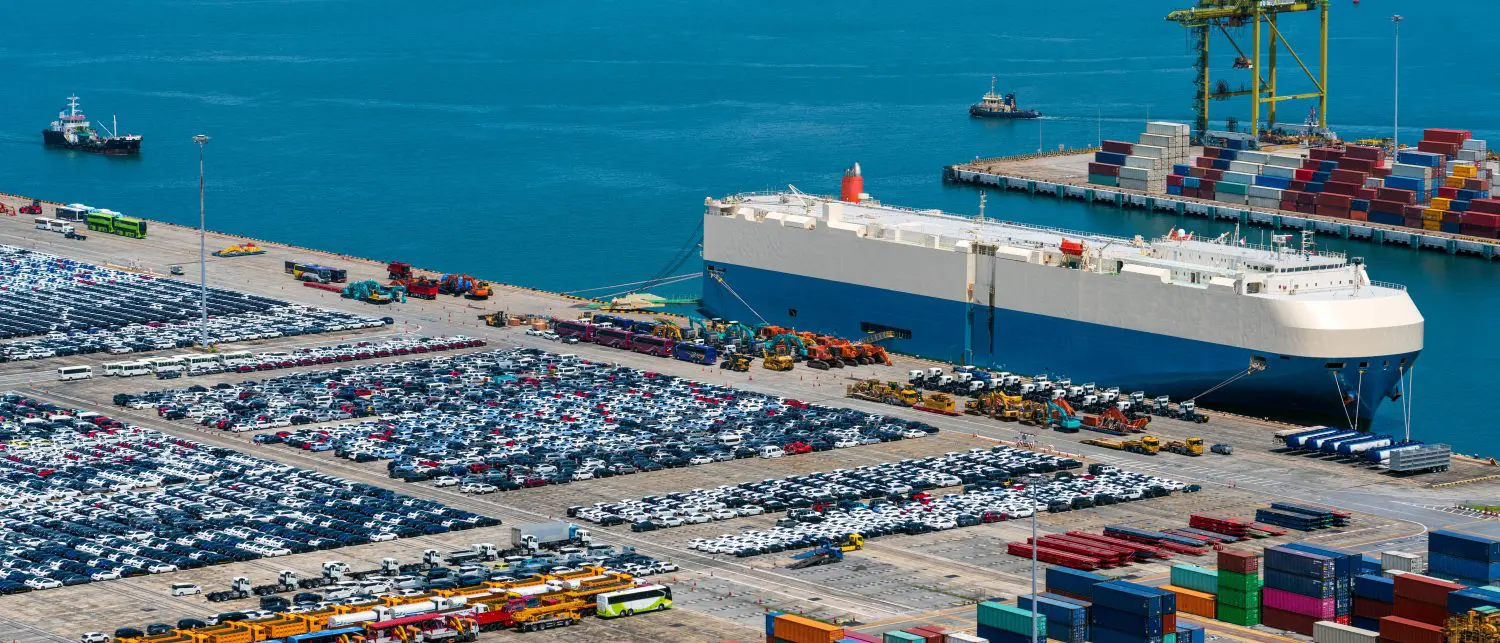
In the wake of President Donald Trump’s tariffs, the volume of auto parts and finished vehicles shipped to the U.S. has declined. According to the trade database Descartes Datamyne, the maritime import volume of auto parts and accessories decreased 14.7% year-over-year, representing a decline of 119,100 metric tons. Finished vehicle shipments also declined by 8.9% from the previous year, to roughly 52,911 metric tons, equivalent to approximately 26,000 vehicles.

These declines suggest that automakers are opting to hold inventory offshore rather than paying the 25% duty on imported autos and parts. Most are likely delaying shipments, hoping for policy changes that could ease the cost burden and help manage supply chain expenses.

Sign up for CBT News’ daily newsletter and get the latest industry stories delivered straight to your inbox.

The maritime shipping data excludes overland imports from Canada and Mexico, but includes shipments from Europe and Asia, which are transported via roll-on/roll-off vessels and shipping containers. The information is based on Harmonized Tariff Schedule codes covering “parts and accessories for motor vehicles” and “motor cars and vehicles for transporting persons.”

For now, automakers are taking a wait-and-see approach, betting on potential policy amendments from the Trump administration.

Typically, automakers aim to maintain 60 days’ worth of inventory on dealer lots, with approximately 15 additional vehicles in transit. In April, the national average was 66 days’ supply — slightly below the industry’s 75-day target. While inventory levels are starting to dip below normal trends, most U.S. dealerships have plenty of cars in stock, including those imported before the auto tariffs were implemented. However, May and the coming months will likely see this supply number continue to decline as shipments slow.

Despite the 25% tariffs, average vehicle prices rose only by 2.5% in April. Dealers will likely increase prices gradually as they work their way through their pre-tariff inventory, avoiding sudden sticker shocks for buyers.


Correction: Descartes Datamyne reached out to CBT News with updated data. The original information overstated the decline in U.S. auto imports by marine shipping. This story has been updated to reflect the corrected data.
Read More
More from Articles
Used-vehicle inventory rebounds in April as prices continue climbing

Used-vehicle inventory rebounds in April as prices continue climbing

- May 18, 2026
On the Dash: Used inventory improved in April, but supply remains historically tight and below year-ago levels. Rising listing prices indicate consumer demand continues to outpace available inventory. Affordable used...
GM launches Collision Assistance tool across brand mobile apps

GM launches Collision Assistance tool across brand mobile apps

- May 18, 2026
On the Dash: GM is expanding its digital ownership tools, which could strengthen long-term customer retention and service engagement. Dealership collision centers inside the GM Collision Repair Network may benefit...
Tesla hikes Model Y prices in U.S. market

Tesla hikes Model Y prices in U.S. market

- May 18, 2026
On the Dash: Tesla continues to adjust EV pricing as automakers balance demand, margins, and inventory strategies. Higher Model Y pricing could impact EV affordability and competitive positioning in the...
Mercedes-Benz CEO tells WSJ automaker is open to defense production

Mercedes-Benz CEO tells WSJ automaker is open to defense production

- May 18, 2026
On the Dash: Mercedes-Benz CEO Ola Källenius says the company's precision engineering makes it a natural fit for military hardware production. Other European automakers, including Volkswagen and Rheinmetall, are expanding...
CBT News
Privacy Overview

This website uses cookies so that we can provide you with the best user experience possible. Cookie information is stored in your browser and performs functions such as recognising you when you return to our website and helping our team to understand which sections of the website you find most interesting and useful.