TSLA354.720-7.72%
GM83.9600.3%
F12.4300.12%
RIVN12.420-0.6%
CYD26.020-0.33%
HMC34.2800.22%
TM194.6102.67%
CVNA58.830-1.7899%
PAG212.4200.42%
LAD295.140-0.17%
AN161.7301.93%
GPI242.2202.42%
ABG170.0500.18%
SAH63.6100.1%
TSLA354.720-7.72%
GM83.9600.3%
F12.4300.12%
RIVN12.420-0.6%
CYD26.020-0.33%
HMC34.2800.22%
TM194.6102.67%
CVNA58.830-1.7899%
PAG212.4200.42%
LAD295.140-0.17%
AN161.7301.93%
GPI242.2202.42%
ABG170.0500.18%
SAH63.6100.1%
TSLA354.720-7.72%
GM83.9600.3%
F12.4300.12%
RIVN12.420-0.6%
CYD26.020-0.33%
HMC34.2800.22%
TM194.6102.67%
CVNA58.830-1.7899%
PAG212.4200.42%
LAD295.140-0.17%
AN161.7301.93%
GPI242.2202.42%
ABG170.0500.18%
SAH63.6100.1%

Trump targets auto imports with new tariffs by April

While Trump's goal is to boost U.S. domestic production, the pressure of additional tariffs could lead to higher vehicle prices and disrupt integrated supply chains.
Trump plans new auto tariffs by April 2, targeting imports from Japan, Germany, and South Korea, aiming to boost U.S. production.

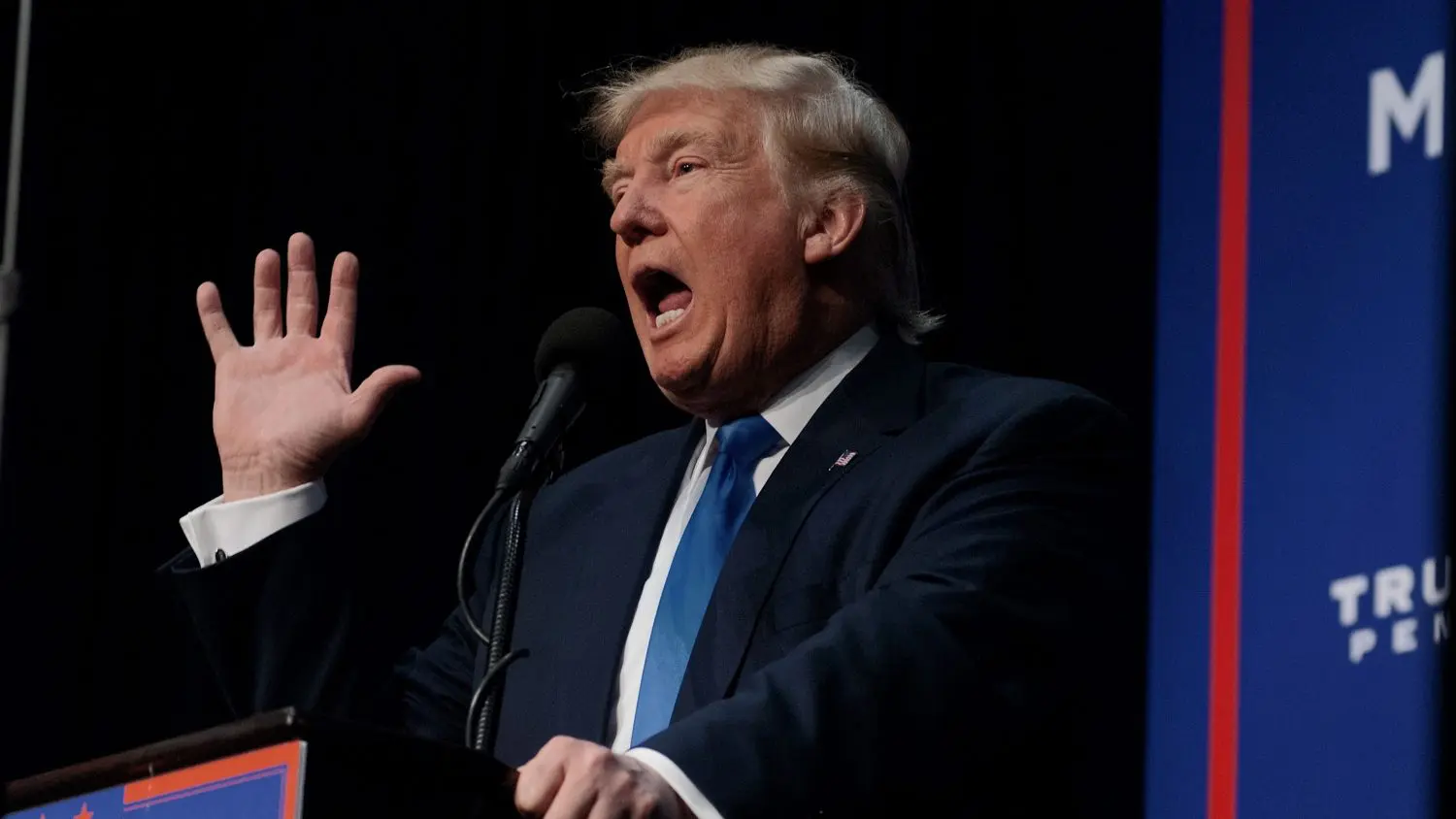
On Friday, President Donald Trump announced plans to impose new tariffs on automobiles, set to take effect around April 2. While the president did not provide details on the scope or rates of the potential tariffs, the move aligns with his broader trade strategy to encourage domestic production and reshape global trade relations. This latest announcement follows a series of escalating tariffs across multiple industries, including steel, aluminum, and semiconductors.

Trump’s trade policies have targeted both rivals and allies, pushing for “reciprocal tariffs” on countries that impose import taxes on U.S. goods. These reciprocal tariffs, expected to begin as soon as April, are distinct from the auto-specific levies but signal a widening effort to restructure trade agreements.

Sign up for CBT News’ daily newsletter and get the latest industry stories delivered straight to your inbox.

Japan, Germany, and South Korea, whose brands dominate U.S. auto imports, stand to be affected the most. Imported vehicles accounted for roughly half of the U.S. auto market last year. According to data from Global Data, automakers such as Volkswagen and Hyundai-Kia rely heavily on overseas production, with 80% and 65% of their U.S. sales coming from imports, respectively.

The potential impact on vehicles manufactured under the U.S.-Mexico-Canada Agreement (USMCA) remains uncertain. North America’s auto industry is built on deeply interconnected supply chains, and any disruption could result in higher costs for manufacturers and consumers. Tariffs on auto imports could lead to price increases, affect production timelines, and complicate long-standing trade relationships between the three nations.

Industry groups have raised concerns over the consequences of these tariffs, though many are waiting for further details before issuing formal responses. If enacted, these levies could reshape the structure of the auto market, placing additional pressure on foreign automakers while testing the strength of existing trade agreements.
Read More
More from Articles
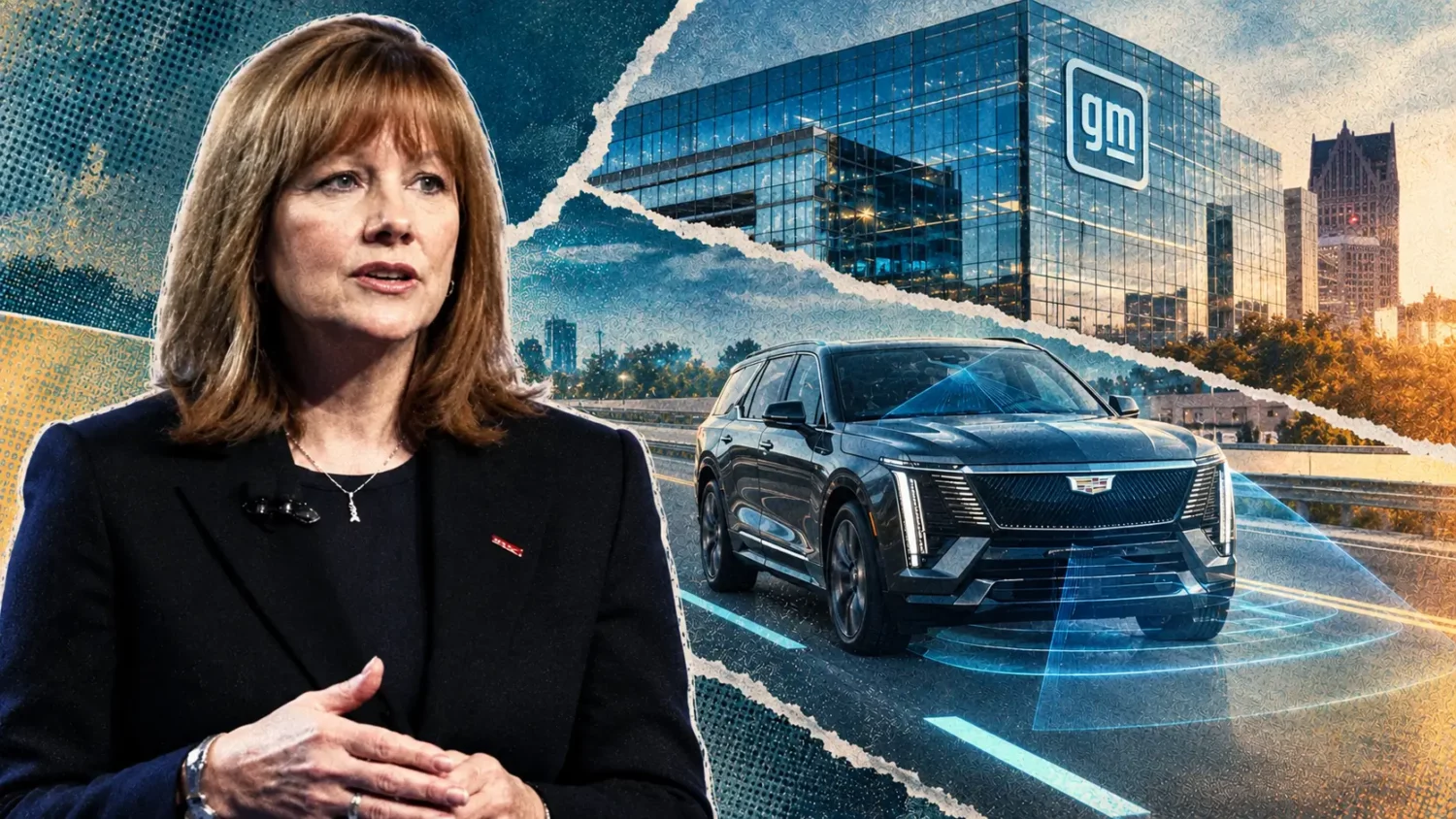
GM CEO Mary Barra tells CNBC’s Mad Money that eyes-off driving is on track for 2028

GM CEO Mary Barra tells CNBC’s Mad Money that eyes-off driving is on track for 2028

- October 16, 2026
On the Dash: GM eyes-off driving is on track for 2028, CEO Mary Barra told CNBC’s Mad Money. Barra said GM is focused on personal vehicles after exiting the Cruise...
Slate Auto opens first showroom where shoppers can test drive its $24,950 electric pickup

Slate Auto opens first showroom for its $24,950 electric pickup

- October 16, 2026
On the Dash: Slate electric pickup test drives are now available at its first Experience Center in Chicago. The center shows the truck’s size, interior space, build quality and available...
China in your car? Why your vehicle is a national security risk

China in your car? Why your vehicle is a national security risk

- October 16, 2026
What if the next national-security threat isn’t coming through your front door, but through your driveway? Your car can collect sensitive data, communicate with outside networks, and rely on software...
Penske Automotive to go private in $16.3 billion deal

Penske Automotive to go private in $16.3 billion deal

- October 16, 2026
On the Dash: Penske Automotive is going private at a $16.3 billion enterprise value. Shareholders will receive $212 per share in cash, an 8.84% premium to Wednesday’s close. Closing is...
CBT News
Privacy Overview

This website uses cookies so that we can provide you with the best user experience possible. Cookie information is stored in your browser and performs functions such as recognising you when you return to our website and helping our team to understand which sections of the website you find most interesting and useful.