
TSLA381.6308.83%
GM76.8900.27%
F12.080-0.16%
RIVN16.4000.34%
CYD41.2101.13%
HMC24.3400.34%
TM192.6201.36%
CVNA395.995-0.595%
PAG171.520-0.14%
LAD290.120-0.88%
AN212.3806.69%
GPI356.8707.66%
ABG203.6902.3%
SAH78.7505.44%
TSLA381.6308.83%
GM76.8900.27%
F12.080-0.16%
RIVN16.4000.34%
CYD41.2101.13%
HMC24.3400.34%
TM192.6201.36%
CVNA395.995-0.595%
PAG171.520-0.14%
LAD290.120-0.88%
AN212.3806.69%
GPI356.8707.66%
ABG203.6902.3%
SAH78.7505.44%
TSLA381.6308.83%
GM76.8900.27%
F12.080-0.16%
RIVN16.4000.34%
CYD41.2101.13%
HMC24.3400.34%
TM192.6201.36%
CVNA395.995-0.595%
PAG171.520-0.14%
LAD290.120-0.88%
AN212.3806.69%
GPI356.8707.66%
ABG203.6902.3%
SAH78.7505.44%

Trump administration takes aim at California’s zero-emission mandates

California's strict mandates have faced criticism from auto manufacturers and dealers, who believe they are unachievable given current production capacities and consumer demand.
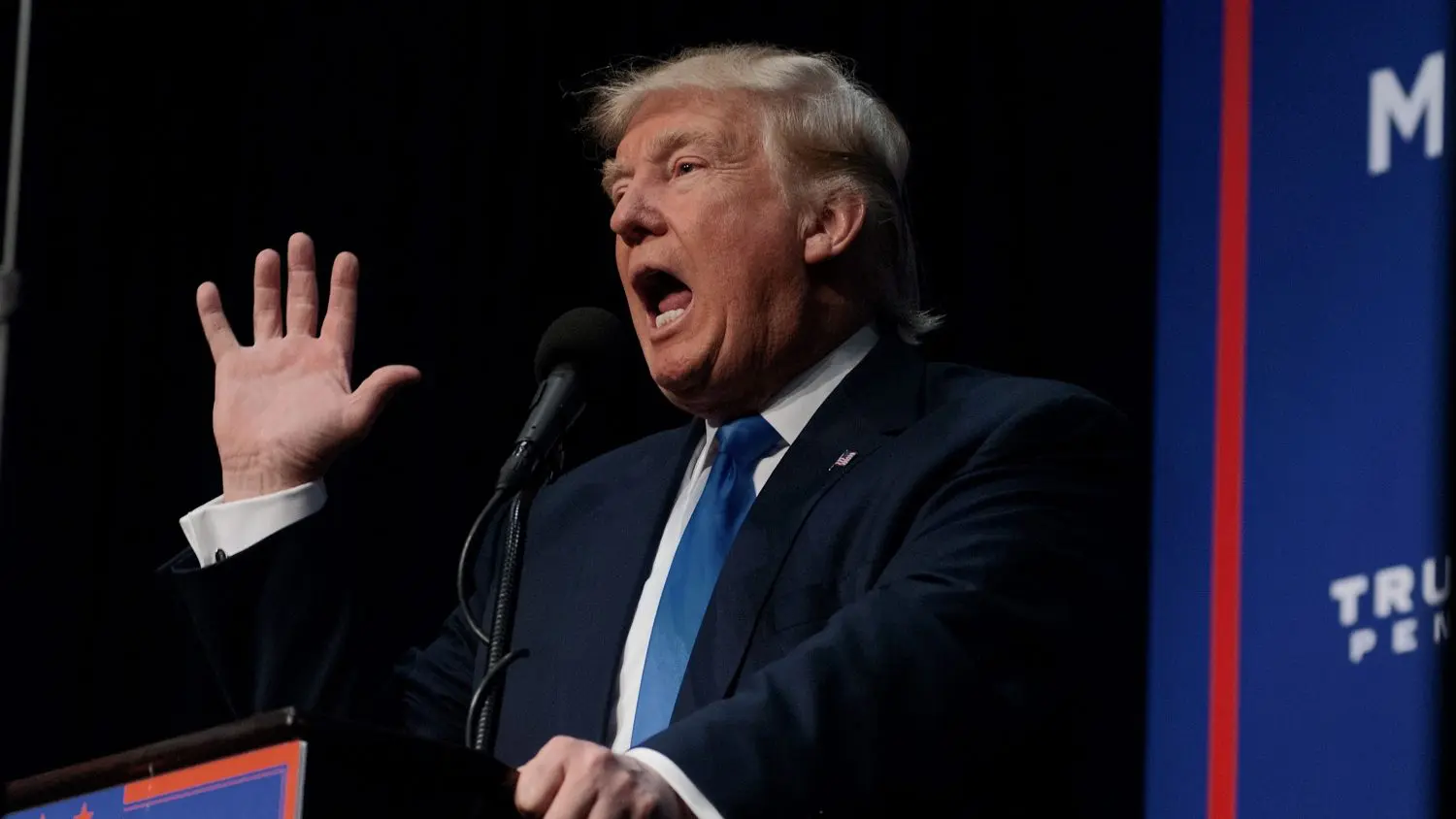
Trump challenges California’s zero-emission mandates, pushing Congress to review EPA waivers that back the state’s stricter auto regulations.

California Governor Gavin Newsom

The Trump administration is taking steps to challenge California’s authority to set stricter vehicle emissions standards, targeting rules that mandate the sale of zero-emission vehicles (ZEVs). On Friday, Environmental Protection Agency (EPA) Administrator Lee Zeldin announced plans to submit California’s air pollution waivers to Congress for review, potentially allowing lawmakers to revoke them. This decision aligns with the administration’s broader efforts to roll back environmental regulations that it says impose excessive costs on businesses and limit consumer choice.

At the center of the debate is California’s Clean Cars II program, which requires automakers to sell an increasing percentage of ZEVs, culminating in a ban on new gasoline-powered vehicle sales by 2035. The program and additional regulations on heavy-duty vehicle emissions have drawn criticism from auto manufacturers and dealers who argue the mandates are unachievable given current production capabilities and consumer demand.

Sign up for CBT News’ daily newsletter and get the latest industry stories delivered straight to your inbox.

California Governor Gavin Newsom has defended the state’s authority to set emissions standards, calling these policies essential for reducing greenhouse gases and combating climate change. He has previously clashed with the Trump administration over environmental rollbacks, arguing that weakening emissions rules undermines progress in clean energy and puts public health at risk. His administration maintains that California’s standards serve as a model for other states looking to adopt stricter pollution controls.

Under the Clean Air Act, California has historically been granted waivers to implement pollution regulations stricter than federal standards. These waivers allow other states to adopt California’s rules, affecting about 30% of the U.S. vehicle market. The Biden administration previously upheld these waivers, asserting they were not subject to congressional review under the Congressional Review Act. However, the Trump administration contends that the waivers carry national consequences, warranting legislative oversight.

If Congress moves to repeal the waivers, it could significantly alter the trajectory of U.S. emissions regulations, limiting California’s ability to enforce its own vehicle standards. The decision could also impact automakers’ long-term investments in electrification, as many manufacturers have already begun shifting production toward electric models in response to state-level mandates.

California’s environmental policies have long influenced national and global automotive strategies. While supporters argue these regulations are necessary to combat climate change and reduce emissions, opponents believe they burden automakers and consumers with higher costs. The legal and political battles surrounding the waivers are expected to continue, with potential implications for future emissions regulations and electric vehicle adoption in the U.S.
Read More
More from Articles
GM deploys Google Gemini AI to 4 million vehicles

GM deploys Google Gemini AI to 4 million vehicles with no dealer involvement

- April 30, 2026
On the Dash: Four million GM vehicles get a major AI upgrade to Google Gemini without visiting a dealership. Gemini brings hands-free messaging, smarter navigation and conversational AI to the...
Pleos Connect

Hyundai Motor Group redefines in-vehicle experience with ‘Pleos Connect’ next-generation infotainment system

- April 30, 2026
Pleos Connect, a next-generation infotainment system, will launch in May as Hyundai Motor Group’s first Software-Defined Vehicle (SDV) transition deliverable The system will debut on Hyundai Motor’s new GRANDEUR in...
Fed holds rates steady, squeezing used-car buyers

Fed holds rates steady, squeezing used-car buyers

- April 30, 2026
On the Dash: Used-car buyers face the greatest strain as high interest rates persist, with no incentives to offset costs. Rising gas prices disproportionately impact lower-income households, compounding affordability challenges. ...
Ford raises 2026 outlook after Q1 earnings beat expectations

Ford raises 2026 outlook after Q1 earnings beat expectations

- April 30, 2026
On the Dash: Ford beats Q1 expectations with strong pricing, mix and services growth. Tariff ruling delivers $1.3B benefit, helps offset rising aluminum costs. Company raises EBIT outlook while maintaining...
CBT News
Privacy Overview

This website uses cookies so that we can provide you with the best user experience possible. Cookie information is stored in your browser and performs functions such as recognising you when you return to our website and helping our team to understand which sections of the website you find most interesting and useful.