TSLA449.08715.637%
GM76.220-0.22%
F13.6201.6299%
RIVN14.4000.4499%
CYD50.5802.06%
HMC24.4750.365%
TM187.4455.77501%
CVNA70.730-2.99%
PAG167.170-1.86%
LAD274.800-0.5%
AN192.950-2.41%
GPI332.925-3.215%
ABG194.8701.19%
SAH77.225-1.355%
TSLA449.08715.637%
GM76.220-0.22%
F13.6201.6299%
RIVN14.4000.4499%
CYD50.5802.06%
HMC24.4750.365%
TM187.4455.77501%
CVNA70.730-2.99%
PAG167.170-1.86%
LAD274.800-0.5%
AN192.950-2.41%
GPI332.925-3.215%
ABG194.8701.19%
SAH77.225-1.355%
TSLA449.08715.637%
GM76.220-0.22%
F13.6201.6299%
RIVN14.4000.4499%
CYD50.5802.06%
HMC24.4750.365%
TM187.4455.77501%
CVNA70.730-2.99%
PAG167.170-1.86%
LAD274.800-0.5%
AN192.950-2.41%
GPI332.925-3.215%
ABG194.8701.19%
SAH77.225-1.355%

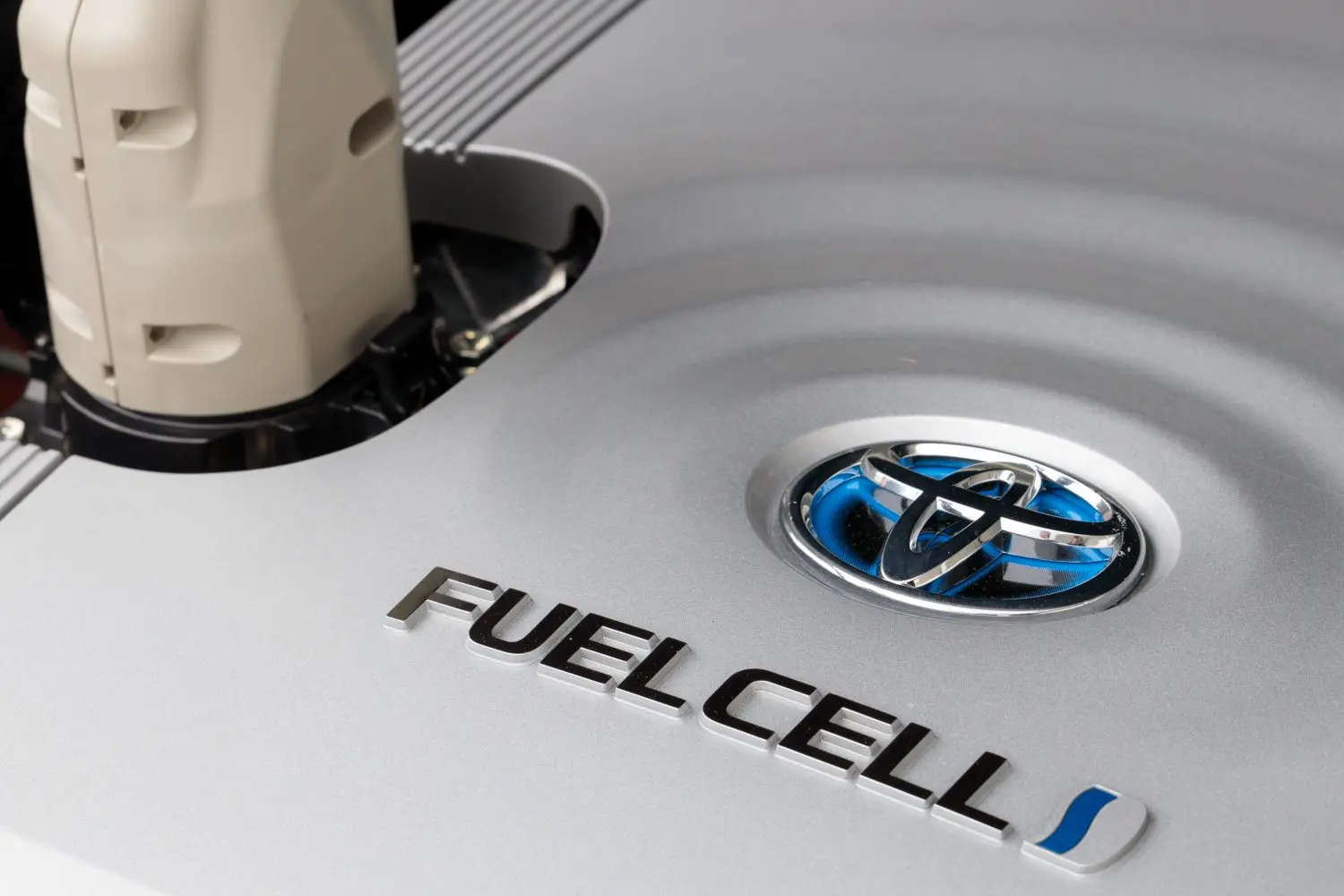
Toyota to launch solid-state battery production by 2026

While initially limited, Toyota’s production plans will gradually expand through 2027 and 2028.
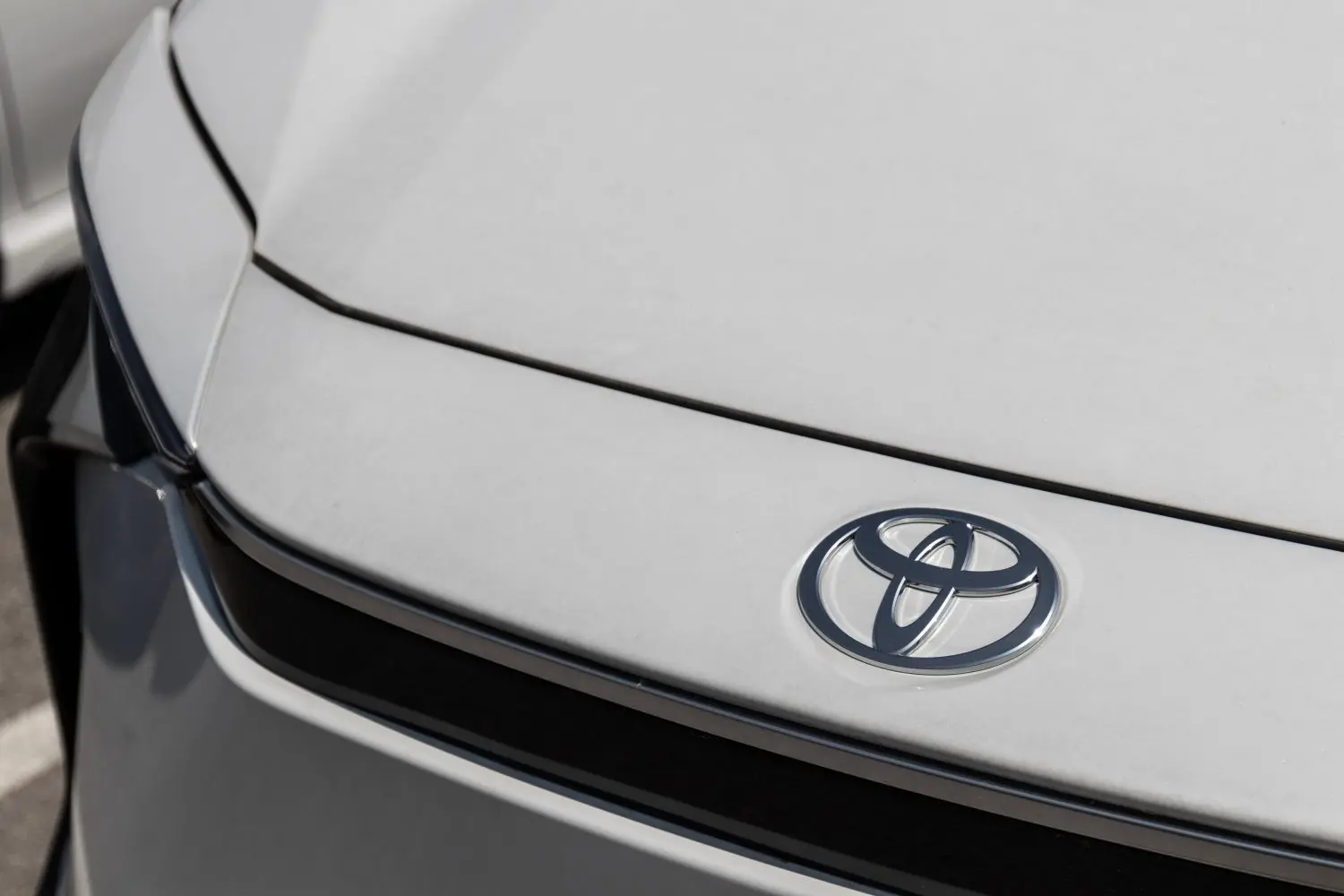
Toyota is set to become one of the first automakers to introduce a passenger vehicle powered by solid-state batteries by 2030.

Toyota is set to become one of the first automakers to introduce a passenger vehicle powered by solid-state batteries, a breakthrough that could significantly enhance electric vehicle (EV) performance. The Japanese Ministry of Economy, Trade, and Industry has validated Toyota’s plans to begin solid-state battery production by 2026, with mass production projected to start around 2030.

These batteries, offering quicker charging times and extended range, mark a significant leap in automotive technology. Early models could deliver up to 621 miles (1,000 km) of range on a full charge, potentially increasing to 750 miles. Charging could be as fast as 10 minutes, addressing one of the key challenges in current EV technology. Despite Toyota’s initial announcement in 2020 to launch a solid-state vehicle, the company postponed due to production feasibility. However, a breakthrough in June 2023 has advanced the project, increasing the batteries’ theoretical range by 20%.

While initially limited, Toyota’s production plans will gradually expand through 2027 and 2028, aiming to reach a 9-gigawatt-hour annual production target. Meanwhile, the Japanese government will support battery manufacturing to develop domestic capabilities and alleviate the significant investment required.

While Toyota’s first solid-state vehicle might be a hybrid rather than a full EV, this approach could help keep costs down, as an EV-sized solid-state battery pack would significantly raise vehicle prices. Other automakers are also eyeing solid-state technology; for instance, SAIC-owned MG plans to release its first solid-state-powered vehicle by 2025, and IM Motor has already introduced the L6, boasting a 133 kWh semi-solid-state battery with an impressive range and fast charging capabilities.

Solid-state batteries represent a potential game-changer in the EV market. They offer higher efficiency, longer ranges, and faster charging—key factors that could propel electric vehicles into the mainstream. Toyota’s 2026 launch marks the beginning of this new era in automotive technology.


Read More
More from Articles
The simple 'paperwork' mistake that could cost dealers $10,000

The simple ‘paperwork’ mistake that could cost dealers $10,000

- May 13, 2026
On the Dash: CDK Global says a paperwork problem cost a dealer $10,000 during a manufacturer audit. NADA calls federal record-keeping requirements among the most burdensome rules dealers face today. ...
GM-LG battery venture recalls small group of Ohio workers as EV demand slows

GM-LG battery venture recalls small group of Ohio workers as EV demand slows

- May 13, 2026
On the Dash: EV production volatility is directly affecting supply chain employment and factory output decisions. Incentive-driven demand shifts are forcing automakers to adjust production more quickly than long-term EV...
Nissan projects return to profit after seventh straight quarterly loss

Nissan projects return to profit after seventh straight quarterly loss

- May 13, 2026
On the Dash: Nissan’s projected return to profit could improve dealer confidence after multiple quarters of financial instability. Ongoing model cuts and production restructuring may impact future inventory mix and...
New-vehicle prices rose in April, but the gains fell short of the historical average, with wide variation across brands and segments, according to Kelley Blue Book.

New-vehicle prices rise in April, but the pace is cooling

- May 13, 2026
On the Dash: New-vehicle ATP rose 1.8% year over year in April, below the 3.6% long-term average. Ford and GM posted strong gains while several luxury brands saw transaction prices...
CBT News
Privacy Overview

This website uses cookies so that we can provide you with the best user experience possible. Cookie information is stored in your browser and performs functions such as recognising you when you return to our website and helping our team to understand which sections of the website you find most interesting and useful.