TSLA406.4307.28%
GM81.5000.65%
F14.8400.13%
RIVN16.7601.22%
CYD50.0302.11%
HMC26.440-0.63%
TM174.9500%
CVNA64.100-3.72%
PAG180.960-0.06%
LAD313.3800.72%
AN191.530-2.54%
GPI325.3300.42%
ABG199.5300.05%
SAH84.6100.36%
TSLA406.4307.28%
GM81.5000.65%
F14.8400.13%
RIVN16.7601.22%
CYD50.0302.11%
HMC26.440-0.63%
TM174.9500%
CVNA64.100-3.72%
PAG180.960-0.06%
LAD313.3800.72%
AN191.530-2.54%
GPI325.3300.42%
ABG199.5300.05%
SAH84.6100.36%
TSLA406.4307.28%
GM81.5000.65%
F14.8400.13%
RIVN16.7601.22%
CYD50.0302.11%
HMC26.440-0.63%
TM174.9500%
CVNA64.100-3.72%
PAG180.960-0.06%
LAD313.3800.72%
AN191.530-2.54%
GPI325.3300.42%
ABG199.5300.05%
SAH84.6100.36%

Polestar sides with Tesla on charging, will support NACS starting 2024

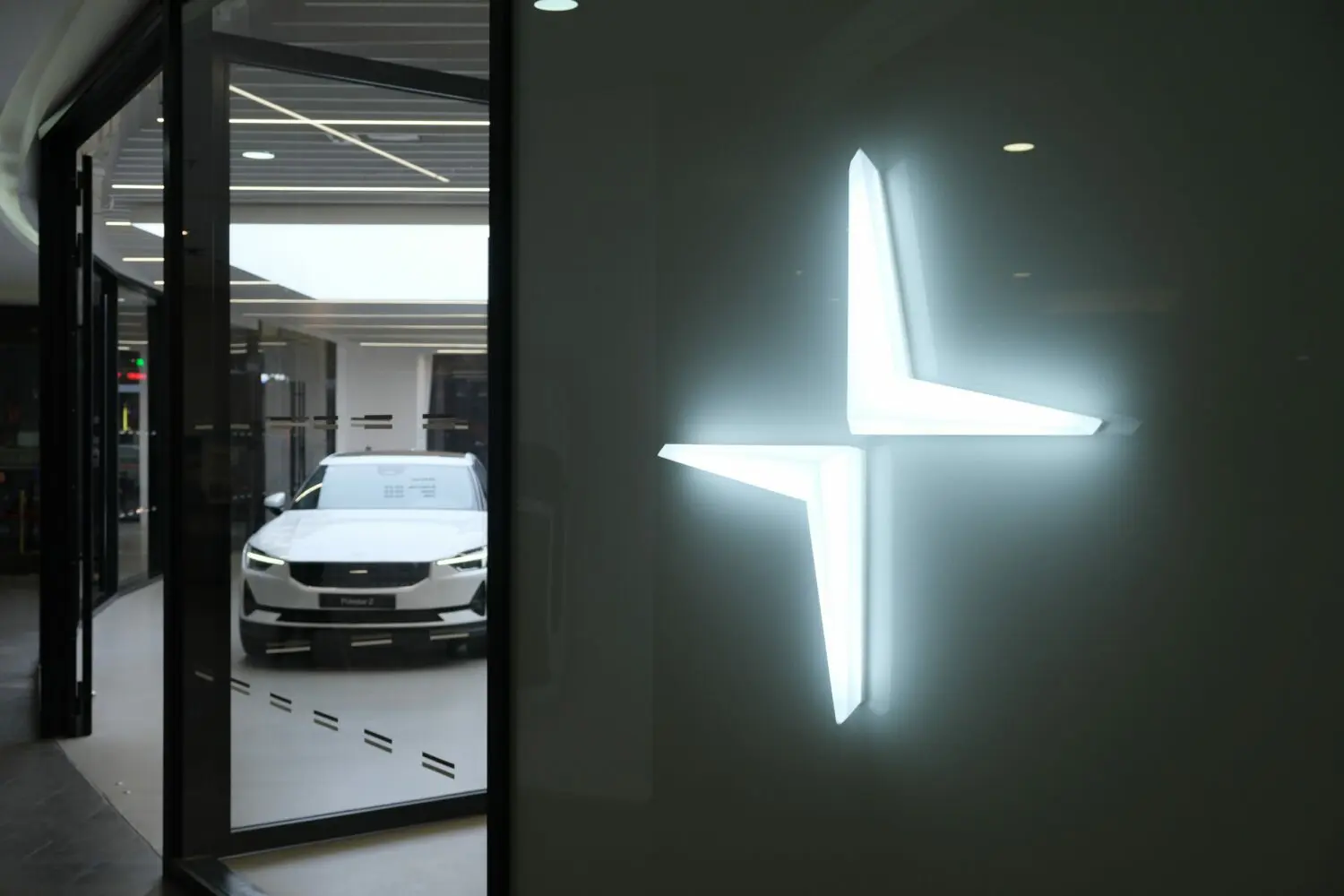
Polestar has joined other automakers in agreeing to make its electric vehicles compatible with Tesla's NACS chargers.

Polestar has joined other automakers in agreeing to integrate the Tesla-developed North American Charging Standard (NACS) onto its electric vehicle platform, greatly expanding its consumers’ access to charging stations in the U.S.

The agreement will allow Polestar drivers in the U.S. and Canada to use Tesla’s 12,000-station-strong charging network, although it will take another year for the company to rollout access. Currently, the EV brand’s models feature Combined Charging System (CCS) outlets. Starting in 2024, the car manufacturer will release adapters that allow existing models to connect with NACS cables before switching exclusively to Tesla’s standard the following year. Drivers of future Polestar EVs will still be able to use CCS stations with a separate adapter.

Thomas Ingenlath, Polestar CEO, called the agreement with Tesla “a great win for our North American customers.” Ingenlath also thanked the Elon-Musk-led competitor for its work to increase EV adoption. By signing the deal, the small brand has joined a growing list of car manufacturers siding with NACS over CCS, including massive companies such as Ford and General Motors. The Biden Administration has remained supportive of the automotive industry’s efforts to standardize EV charging, although the President hopes to convince automakers to continue support for CCS through tax incentives.

Standardized EV charging could be a crucial step toward boosting the popularity of battery-powered cars. Range anxiety and lack of infrastructure are constantly cited as the primary reasons for low demand, even though many buyers now say they are interested in transitioning to electric. Tesla’s partnership with Polestar makes acceptance of the NACS chargers near-universal in the U.S. automotive industry, although some major outliers, such as Stellantis, have yet to announce any commitments one way or another.
Read More
More from Articles
Used-vehicle inventory grows 4% as demand softens

Used-vehicle inventory grows 4% as demand softens

- June 15, 2026
On the Dash: Used-vehicle inventory increased 4% month over month to 2.12 million units. Average listing prices climbed to $26,918, the highest level since mid-2023. Retail used-vehicle sales fell 3.9%...
Shawn Fain seeks reelection as UAW convention tackles major policy issues

Shawn Fain seeks reelection as UAW convention tackles major policy issues

- June 15, 2026
On the Dash: UAW delegates will debate higher strike pay, union dues, and investments in organizing. President Shawn Fain remains the frontrunner despite criticism from a federal monitor and internal...
Rivian CEO RJ Scaringe backs humanoid robots as next frontier in manufacturing

Rivian CEO RJ Scaringe backs humanoid robots as next frontier in manufacturing

- June 15, 2026
On the Dash: Rivian CEO RJ Scaringe expects humanoid robots to work alongside factory employees within the next few years. Rivian-backed startup Mind Robotics has raised more than $1 billion...
Mexico's auto output holds steady as U.S. trade pressure mounts.

Mexico’s auto output holds steady as U.S. trade pressure mounts

- June 15, 2026
On the Dash: Mexico's auto industry built 1.64 million vehicles through May, nearly flat with a year ago. Exports rose 4% to 1.39 million units, with the U.S. taking 75%...