On the Dash:
- Automakers are accelerating EV launches with a clear focus on affordability and mass-market appeal.
- Competition in the EV space is intensifying as brands expand offerings across multiple segments.
- Technology improvements in range, charging, and features continue to shape consumer expectations.
At this year’s 2026 New York International Auto Show, automakers unveiled four new electric vehicles, underscoring the industry’s continued push toward electrification as competition intensifies and consumer expectations grow.
Each of the four EVs introduced at the show targets a distinct market segment, highlighting how automakers are working to fill gaps in their lineups. Some models are positioned as affordable options for first-time EV buyers, while others emphasize performance or utility to compete in increasingly crowded categories.
The debut models include:
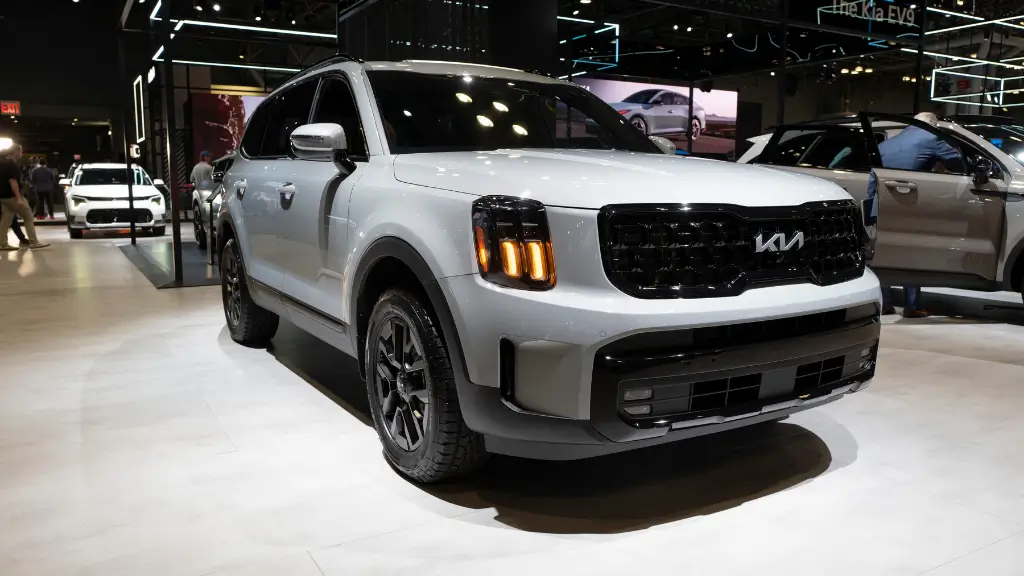
- Kia EV3
- Starting price: Estimated at around $35,000
- Expected sales: Late 2026
- Genesis GV60 Magma
- Starting price: Not yet announced (expected premium pricing)
- Expected production: Late 2026 to early 2027
- Subaru Trailseeker EV
- Starting price: Not announced
- Expected sales: Likely 2027 (concept stage)
- Hyundai Ioniq 7
- Starting price: Estimated $50,000 to $60,000
- Expected sales: 2026
Although affordability remains a key focus, EV adoption continues to rise as automakers face pressure to lower costs and make EVs more accessible to mainstream buyers. The latest debuts signal a shift away from early high-priced models toward vehicles that can compete more directly with internal combustion engine counterparts on price.
At the same time, technology continues to serve as a key differentiator. The newly revealed models showcase advancements in battery efficiency, charging capabilities, and in-vehicle software. Features such as enhanced connectivity and driver-assistance systems are becoming standard expectations rather than premium add-ons.
The announcements come as the global EV market enters a more competitive phase. Legacy automakers are accelerating their transition strategies, while newer entrants continue to introduce alternatives, increasing pressure across all segments. Moreover, regulatory policies and emissions targets are also pushing manufacturers to expand their electric offerings more aggressively.
For consumers, the growing number of EV options is expected to further drive adoption. A wider selection of vehicles across different price points and use cases could attract more buyers into the market, particularly those who have been hesitant due to cost or limited options.
With additional models expected to launch throughout 2026, the momentum seen at the New York show signals that automakers are not only committed to electrification but are also refining their strategies to compete in a rapidly evolving landscape.