TSLA422.240-21.06%
GM74.860-2.89%
F13.410-1.07%
RIVN13.790-0.73%
CYD50.000-1.02%
HMC26.1800.51%
TM190.6800.18%
CVNA67.170-2.36%
PAG162.180-6.88%
LAD261.920-12.84%
AN184.150-8.5%
GPI313.620-20.71%
ABG179.170-13.92%
SAH73.960-3.88%
TSLA422.240-21.06%
GM74.860-2.89%
F13.410-1.07%
RIVN13.790-0.73%
CYD50.000-1.02%
HMC26.1800.51%
TM190.6800.18%
CVNA67.170-2.36%
PAG162.180-6.88%
LAD261.920-12.84%
AN184.150-8.5%
GPI313.620-20.71%
ABG179.170-13.92%
SAH73.960-3.88%
TSLA422.240-21.06%
GM74.860-2.89%
F13.410-1.07%
RIVN13.790-0.73%
CYD50.000-1.02%
HMC26.1800.51%
TM190.6800.18%
CVNA67.170-2.36%
PAG162.180-6.88%
LAD261.920-12.84%
AN184.150-8.5%
GPI313.620-20.71%
ABG179.170-13.92%
SAH73.960-3.88%

Nissan recalls over 19K US EVs due to quick charging fire risk

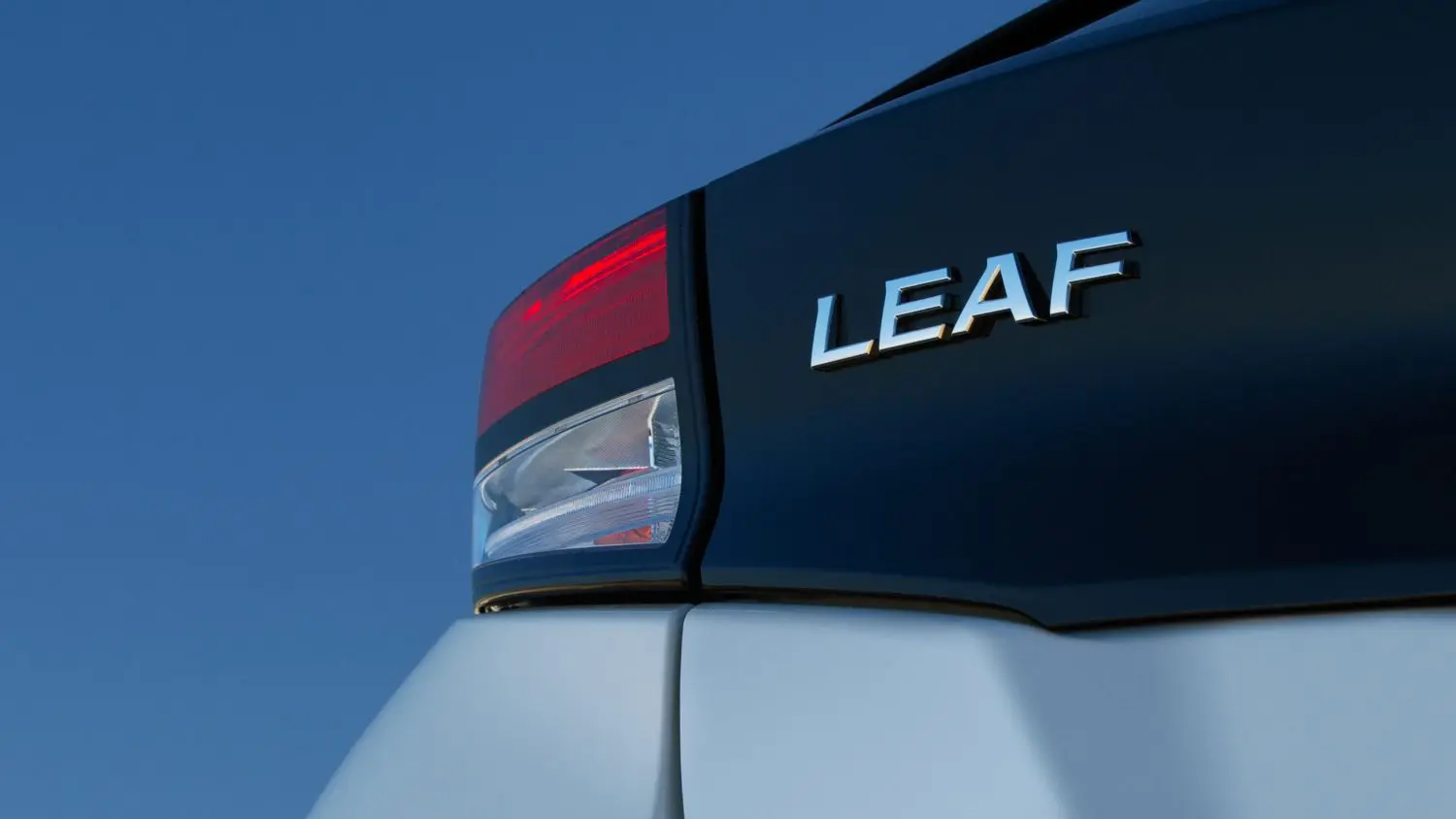
Vehicle owners of Nissan LEAF electric vehicles from model years from 2019 to 2022 should avoid using Level 3 quick charging until a remedy is available.
Nissan recalls 19,077 LEAF EVs in the U.S. over fire risk from Level 3 quick charging in select 2019-2022 models.

On the Dash:

  • Nissan issued a recall for over 19,000 Nissan LEAF EVs due to an increased fire risk while using Level 3 quick-charging technology.
  • The automaker discovered that the lithium-ion battery contains excessive lithium deposits in the battery cell, which can increase electrical resistance and lead to overheating.
  • Until a remedy is available, vehicle owners should avoid using Level 3 quick charging technology.

Nissan is recalling 19,077 electric vehicles in the United States due to an increased fire risk associated with the use of quick charging technology, the National Highway Traffic Safety Administration (NHTSA) announced on Friday.

The recall covers select Nissan LEAF electric vehicles from model years 2021 to 2022 equipped with a Level 3 quick charging port that were manufactured at the Nissan Smyrna plant. It also recalls certain LEAF vehicles from model years 2019 to 2020 that were already part of the previous 24V700 recall. Of the thousands of cars recalled, Nissan estimates that only 1% of vehicles are impacted by the defect.

Sign up for CBT News’ daily newsletter and get the latest industry stories delivered straight to your inbox.

The automaker found that the lithium-ion battery in impacted vehicles may contain excessive lithium deposits, which may cause electrical resistance. This resistance may cause the battery to overheat rapidly when using Level 3 quick charging, increasing the risk of a battery fire.

Until a remedy is available, vehicle owners should avoid using the Level 3 quick charging technology. Interim owner notification letters will be mailed by Oct. 24, and follow-up letters will be sent once a remedy is available.

The NHTSA recall number is 25V6550.

 

Read More
More from Articles
U.S. factory output rises 0.6% as global tensions disrupt supply chains

U.S. factory output rises 0.6% as global tensions disrupt supply chains

- May 15, 2026
On the Dash: Auto production remains a key growth driver, reinforcing the industry’s outsized impact on broader manufacturing performance. AI-related demand is increasingly supporting vehicle and tech production, helping offset...
CBT News heads to Washington, D.C., to host Auto Leadership Summit

CBT News heads to Washington, D.C., to host Auto Leadership Summit

- May 15, 2026
ATLANTA, Georgia (May 15, 2026)— CBT News, the auto dealer community’s No.1 resource for industry insights and news coverage, announced it will bring together the auto industry for the Auto...
BMW of North America introduces preferred pricing at IONNA charging network

BMW of North America introduces preferred pricing at IONNA charging network

- May 15, 2026
BMW and MINI drivers will receive discounted rates when charging at IONNA locations across the U.S. Access seamlessly enabled through Plug & Charge and the My BMW App Woodcliff Lake, N.J....
The Detroit Three cuts 20,000 salaried jobs, AI threatens to eliminate thousands more

Detroit Three cuts 20,000 salaried jobs, AI threatens to eliminate thousands more

- May 15, 2026
On the Dash: The Detroit Three have cut more than 20,000 salaried jobs from recent employment peaks. AI is now accelerating workforce reductions that began years before the technology emerged. ...
CBT News
Privacy Overview

This website uses cookies so that we can provide you with the best user experience possible. Cookie information is stored in your browser and performs functions such as recognising you when you return to our website and helping our team to understand which sections of the website you find most interesting and useful.