
TSLA381.590-15.09%
GM79.400-4.36%
F14.300-0.65%
RIVN14.760-0.97%
CYD47.910-5.54%
HMC26.110-0.6%
TM172.030-3.75%
CVNA67.277-2.333%
PAG178.180-2.02%
LAD304.8300.96%
AN193.210-1.79%
GPI326.100-2.19%
ABG198.130-2.91%
SAH84.150-0.67%
TSLA381.590-15.09%
GM79.400-4.36%
F14.300-0.65%
RIVN14.760-0.97%
CYD47.910-5.54%
HMC26.110-0.6%
TM172.030-3.75%
CVNA67.277-2.333%
PAG178.180-2.02%
LAD304.8300.96%
AN193.210-1.79%
GPI326.100-2.19%
ABG198.130-2.91%
SAH84.150-0.67%
TSLA381.590-15.09%
GM79.400-4.36%
F14.300-0.65%
RIVN14.760-0.97%
CYD47.910-5.54%
HMC26.110-0.6%
TM172.030-3.75%
CVNA67.277-2.333%
PAG178.180-2.02%
LAD304.8300.96%
AN193.210-1.79%
GPI326.100-2.19%
ABG198.130-2.91%
SAH84.150-0.67%

New-vehicle inventory shrinks in April while prices rise and sales slow

The inventory strain comes as dealers prepare for 2026 model year vehicles and manufacturers adjust prices in light of recent tariff announcements.
U.S. new-vehicle inventory dropped in April as tariff concerns slowed production and pushed average prices to new highs.

New-vehicle inventory across the U.S. declined by 7.4% in April, falling to 2.49 million units at the start of May, according to Cox Automotive‘s vAuto Live Market View. The drop, fueled by slower production and delivery rates amid continued tariff uncertainty, has tightened supply even as demand remained elevated through early spring.

At the beginning of May, days’ supply stood at 66, a decrease of six days from April and 16 days from the same time last year. The new-vehicle inventory strain arrives just as dealers gear up to receive 2026 model year vehicles and manufacturers adjust pricing strategies in response to recent tariff announcements.

Sign up for CBT News’ daily newsletter and get the latest industry stories delivered straight to your inbox.

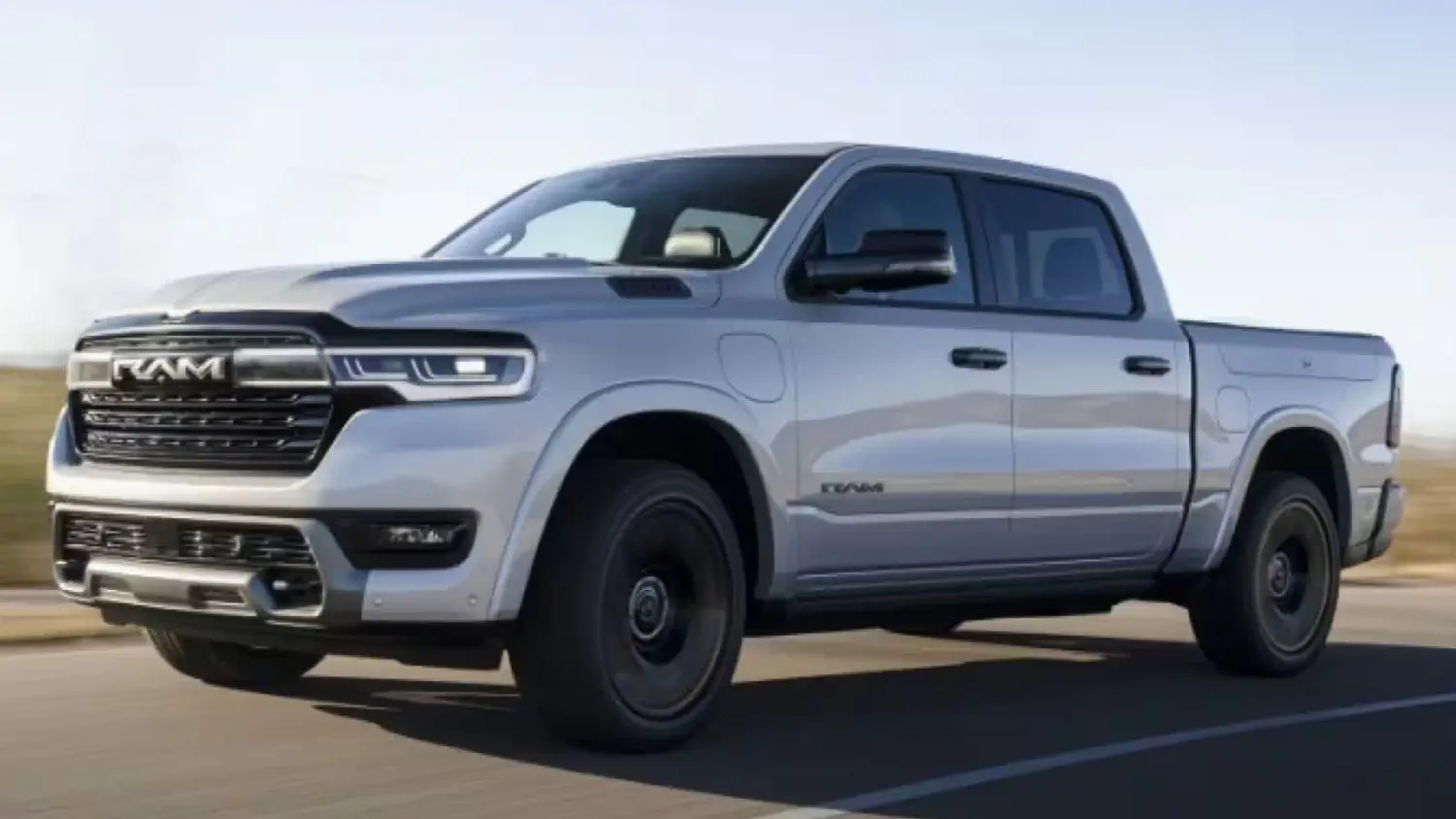
The average new-vehicle listing price rose to $48,656, an increase of $774 from the start of April and up 2.8% compared to a year earlier. While some luxury and volume brands saw slight month-over-month declines, others like RAM, Lincoln and Cadillac posted noticeable price hikes. The overall trend reflects the continued uneven effects of global trade policy on brand-level pricing.

Retail sales peaked in mid-April but slowed in the latter half of the month, with the overall 30-day sales pace finishing just under 1% higher. Despite the slowdown, year-over-year sales pace improved by 10.8% in April, signaling that consumer demand remains resilient, albeit more cautious.

With incentives falling to 6.7% of the average transaction price, down from 7.0% in March, the market shows signs of shifting toward a seller’s environment. Brands like Ford have begun adjusting pricing on select imported models, while others are holding firm as they evaluate longer-term strategies.

Dealers and manufacturers now face a complex environment where pricing, production and consumer expectations must be carefully managed heading into the summer sales cycle.
Read More
More from Articles
Car Pros Automotive Group joins Amazon Autos

Car Pros Automotive Group joins Amazon Autos with five southern California dealerships

- June 10, 2026
Glendale, CA – June 10, 2026 – Car Pros Automotive Group today announced that five of its Southern California dealerships are now live at Amazon Autos, making Car Pros one of...
Novelis restarts Oswego plant after nine-month shutdown, easing F-150 supply shortage

Novelis restarts Oswego plant, easing auto aluminum shortages

- June 10, 2026
On the Dash: Novelis restarted its Oswego, N.Y., hot mill Wednesday after a nine-month shutdown. Two fires in fall 2025 cost Ford an estimated $2 billion in supply disruptions. The...
Stellantis' China gamble could reshape America's auto industry forever

Stellantis’ China gamble could reshape America’s auto industry forever

- June 10, 2026
Americans were told Chinese cars were being kept out of the United States for security reasons. Washington has imposed massive tariffs, politicians promised tougher restrictions, and consumers were reassured that...
Auto insurers struggle to maintain seamless interactions across channels, JD Power finds

Auto insurers struggle to maintain seamless interactions across channels, JD Power finds

- June 10, 2026
Cross-channel switching for a single inquiry breaks seamless experience One-third of shoppers use AI, increasing switching likelihood Only 58% of customers fully understand auto policy coverage today TROY, Mich--(BUSINESS WIRE)--As the...