TSLA376.485-11.025%
GM78.600-0.4%
F12.6500.02%
RIVN17.435-0.305%
CYD42.530-0.06%
HMC24.6350.015%
TM197.200-3.23%
CVNA409.640-7.15%
PAG159.7400.27%
LAD277.1500.57%
AN203.4900.11%
GPI342.7400.88%
ABG202.080-0.37%
SAH70.800-0.22%
TSLA376.485-11.025%
GM78.600-0.4%
F12.6500.02%
RIVN17.435-0.305%
CYD42.530-0.06%
HMC24.6350.015%
TM197.200-3.23%
CVNA409.640-7.15%
PAG159.7400.27%
LAD277.1500.57%
AN203.4900.11%
GPI342.7400.88%
ABG202.080-0.37%
SAH70.800-0.22%
TSLA376.485-11.025%
GM78.600-0.4%
F12.6500.02%
RIVN17.435-0.305%
CYD42.530-0.06%
HMC24.6350.015%
TM197.200-3.23%
CVNA409.640-7.15%
PAG159.7400.27%
LAD277.1500.57%
AN203.4900.11%
GPI342.7400.88%
ABG202.080-0.37%
SAH70.800-0.22%

Lexus leads J.D. Power’s 2025 Initial Quality rankings

Lexus

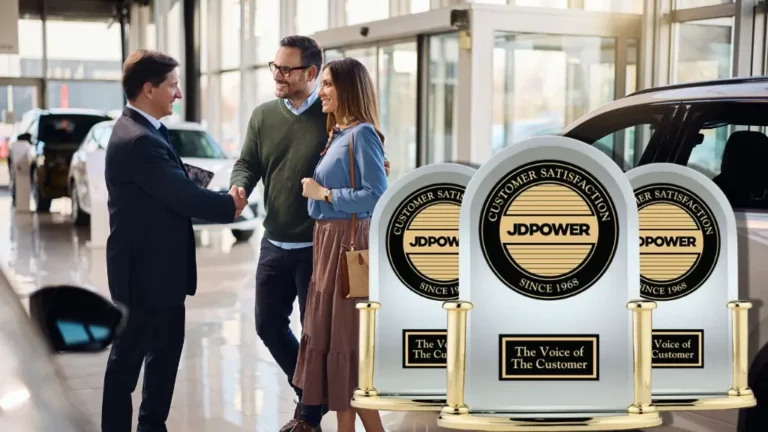
Lexus ranked highest in J.D. Power’s 2025 U.S. Initial Quality Study, with the fewest reported problems per 100 vehicles in the first 90 days of ownership. Nissan followed in second place, replacing last year’s top-ranked Ram and Chevrolet.

According to the study, Lexus owners reported 166 problems per 100 vehicles. Chevrolet, the highest-ranked brand from Detroit, landed at No. 4 overall and No. 3 among mass-market brands with 178 problems, up from 159 the previous year. The industry average improved slightly year-over-year, from 194 to 192 problems per 100 vehicles, driven in part by gains made by Tesla.

Sign up for CBT News’ daily newsletter and get the latest industry stories delivered straight to your inbox.

The study surveyed nearly 93,000 owners of 2025 model-year vehicles between June 2024 and May 2025. Infotainment systems were responsible for nearly half of all reported issues, reflecting ongoing consumer frustrations with touchscreen interfaces. Many owners cited difficulty accessing basic functions like climate control and garage door openers through digital menus, leading J.D. Power to recommend that automakers maintain physical controls for essential features.

Plug-in hybrid vehicles performed the worst among powertrains, averaging 237 problems per 100 vehicles. Fully electric vehicles followed with 212, while gasoline vehicles reported 184 and hybrids 196. Tesla’s quality improvements were credited for narrowing the gap between EVs and gas-powered models.

In individual rankings, Dodge finished at No. 7 with 180 problems per 100 vehicles, a marked improvement from last year’s 300. Buick and Genesis tied at No. 9 with 183, while Jeep landed at No. 10 with 186. Ford, GMC, Cadillac, Lincoln, Chrysler and Ram all scored below the industry average. Audi ranked lowest overall at No. 31, with 269 problems, excluding Tesla and Rivian, which were not ranked.

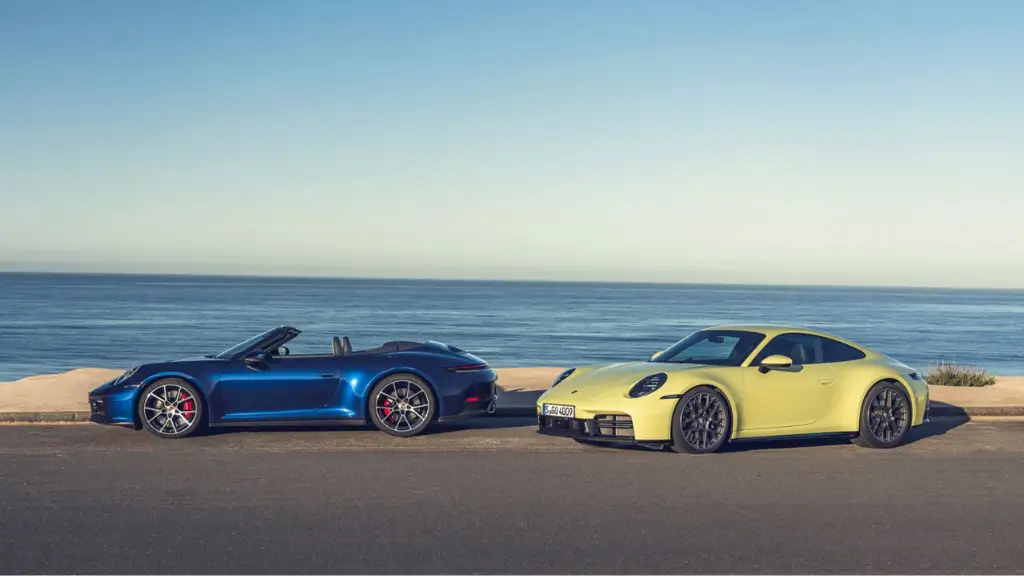
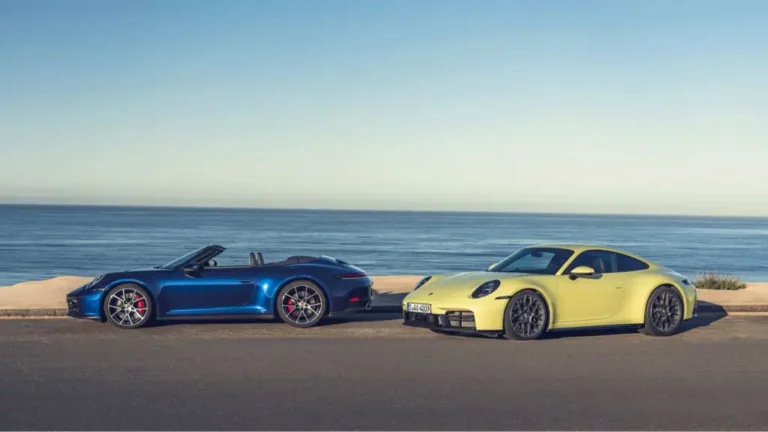
Vehicle-specific honors included the Porsche 911 as the highest-ranked model overall. The Ford Mustang led the sporty car category, while Chevrolet, Jeep and Ford all took top spots in SUV and truck segments. Despite rising warranty costs, Ford had more segment winners than any other brand.
Read More
More from Articles
Tesla ramps up AI spending to $25B, signals near-term cash pressure

Tesla ramps up AI spending to $25B, signals near-term cash pressure

- April 23, 2026
On the Dash: Tesla’s pivot to AI and autonomy signals long-term disruption but near-term margin pressure across the EV segment. Increased competition and pricing pressure highlight the importance of value...
Amazon Autos expands to six brands,

Amazon Autos expands to six brands, reshaping online car buying

- April 23, 2026
On the Dash: Digital retail is accelerating, but dealers remain essential for fulfillment and compliance. Operational discipline is critical to avoid conflicts between online and showroom sales. Advertising and lead...
Rivian R2 Production Begins

Rivian begins R2 production, taking aim at traditional dealerships

- April 23, 2026
On the Dash: Rivian has begun building the R2, with first customer deliveries expected this spring. The R2 is Rivian's first vehicle designed to compete in the mainstream market. Rivian's...
The Trade Desk, automotive marketers, automotive advertising,

3 recommendations for modern automotive marketers

- April 23, 2026
For decades, automotive advertising has operated within a familiar structure: National campaigns led by original equipment manufacturers (OEMs), regional marketing managed by dealer associations, and hyper-local promotions executed by individual dealerships. This framework, known as tier 1, tier...
CBT News
Privacy Overview

This website uses cookies so that we can provide you with the best user experience possible. Cookie information is stored in your browser and performs functions such as recognising you when you return to our website and helping our team to understand which sections of the website you find most interesting and useful.