Consumers looking to benefit from the $7,500 federal EV tax credit don’t necessarily have to purchase a new electric vehicle (EV); leasing can also provide access to this substantial incentive. The Inflation Reduction Act, signed by President Joe Biden in 2022, introduced various consumer tax breaks for EVs, including the well-known “new clean vehicle” tax credit. This $7,500 tax break is typically received directly from the car dealer at the time of purchase.
However, a lesser-known mechanism called the “qualified commercial clean vehicles” tax credit allows auto dealers to pass the same $7,500 tax break to lessees. Experts note that this credit is easier to obtain than the one for new EV buyers, as it lacks the stringent requirements for car manufacturing, sticker price, or buyer’s income.
This “leasing loophole” has contributed to a surge in EV leasing, with about 35% of new EVs leased in the first quarter of 2024, up from 12% in 2023, according to Experian.
The “new clean vehicle” credit, under Section 30D of the tax code, comes with various conditions. For instance, the final assembly of the EV must occur in North America, and battery components and minerals must meet specific sourcing and manufacturing rules. The car’s sticker price must also be within certain limits: $55,000 for sedans and $80,000 for SUVs. Buyers’ annual income cannot exceed $300,000 for married couples or $150,000 for single filers. These restrictions disqualify some EVs or limit the credit to half ($3,750).
Conversely, leasing is classified as a commercial sale under the Inflation Reduction Act. Thus, the carmaker sells the vehicle to a leasing partner, which then handles consumer transactions. The U.S. Treasury Department issues the tax credit under Section 45W of the tax code to the leasing partner, who can pass the savings to lessees.
While dealers are not obligated to transfer these savings, many currently do, said Ingrid Malmgren, senior policy director at Plug In America. The tax credit enables dealers to offer low monthly payments, boosting EV demand. Meanwhile, Barclays noted that foreign automakers, such as Toyota, Hyundai, and Kia, utilize this loophole since their production outside North America limits their eligibility for consumer credit but not commercial credit.
Brian Moody, executive editor of Autotrader, said that to ensure competitiveness, most dealers are likely to pass along the tax break savings. However, consumers should carefully evaluate the total cost and benefits of leasing versus buying. Leases, though often more expensive, offer nonfinancial benefits like always having a new vehicle and providing a low-risk way to determine if EVs are right for them.
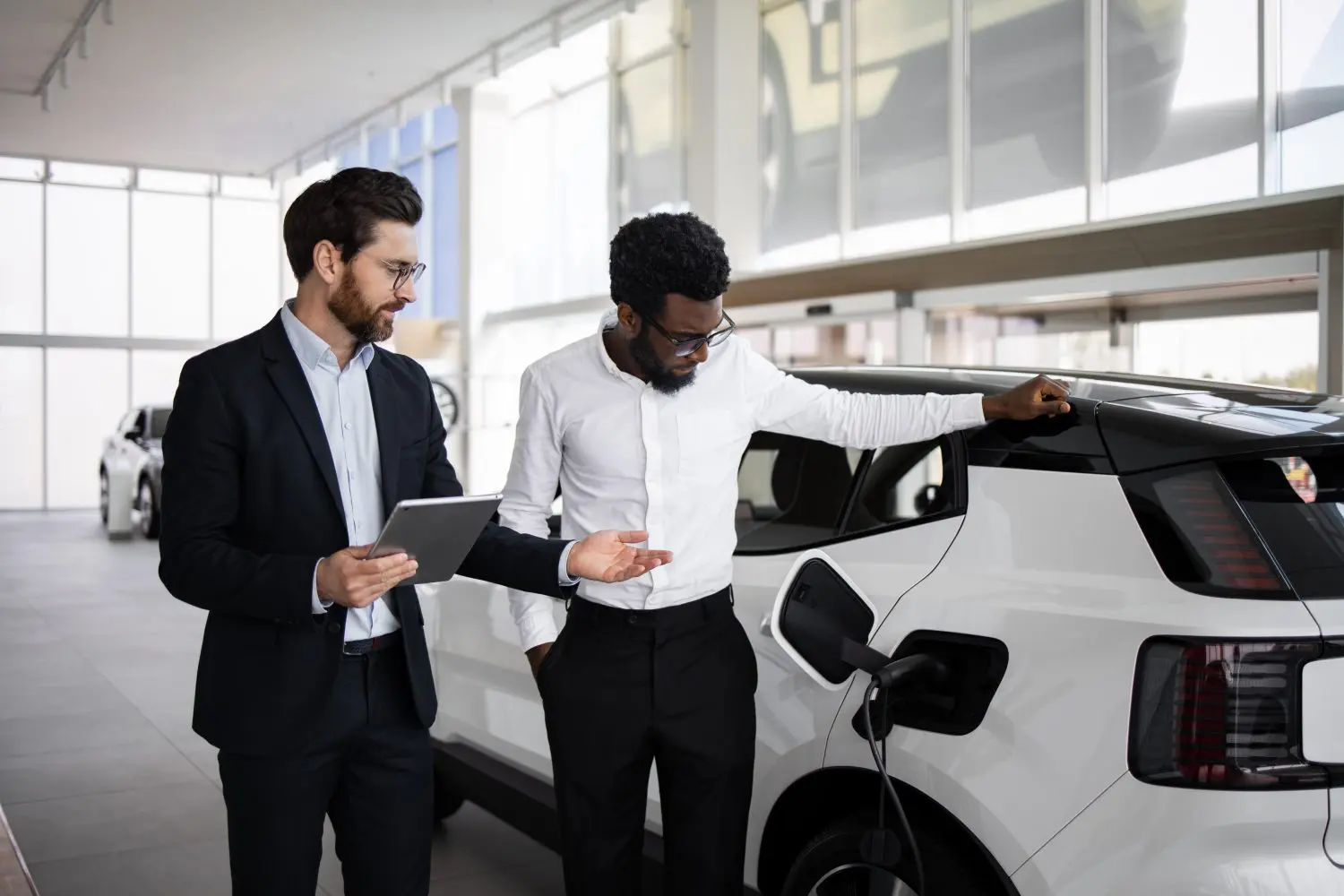
Consumers should ask for a detailed lease breakdown to ensure the $7,500 tax credit is included. If the terms are unclear, it may be wise to consider another dealer, advised Moody.
In summary, while leasing offers an attractive way to access the federal EV tax credit, consumers should weigh their options and understand all aspects of the lease to make an informed decision.