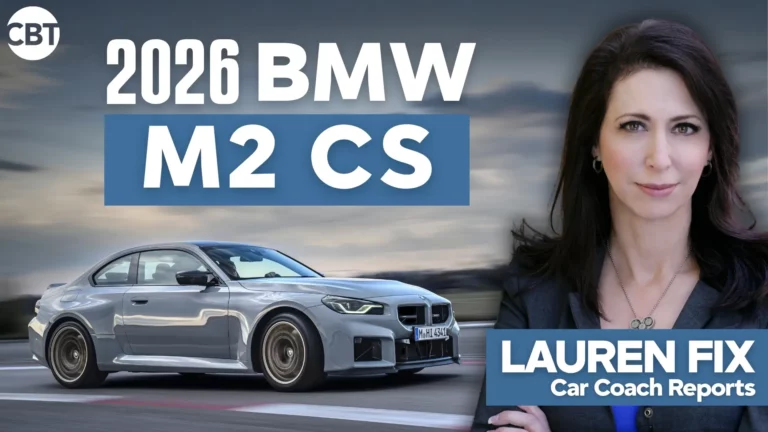
The automotive industry’s most significant shifts are no longer just about sheet metal and horsepower. They are increasingly shaped by politics, technology, and who ultimately controls the customer relationship. On today’s episode of CBT Now, Lauren Fix, automotive expert, founder of Car Coach Reports, and host of The Drive with Lauren and Karl, breaks down what mattered most to consumers, why EV momentum stalled, and where she sees the greatest risks and opportunities ahead for dealers and manufacturers alike.
The past year has been a turning point, with automotive news moving squarely into the mainstream because of its overlap with affordability, regulation, and lifestyle. Vehicle design, powertrain strategy, and retail models are no longer isolated industry decisions. They are directly influencing consumer confidence and purchase behavior, often in unexpected ways.
On the product side, Fix says styling and brand identity remain powerful differentiators, yet many legacy automakers are losing ground by homogenizing their designs. Once-distinct brands have blurred together visually, weakening emotional connections with buyers. In contrast, manufacturers that invest in bold, recognizable design language are better positioned to stand out, particularly as consumers become more selective.
Electric vehicles, however, continue to face headwinds. Affordability is the dominant factor shaping buying decisions, with higher insurance costs, uncertain resale values, and real-world usability challenges. Cold-weather range loss, charging logistics, and long-term repair costs have dampened enthusiasm, particularly among mainstream buyers. As a result, Fix expects the EV market share to remain limited, with hybrids and internal combustion vehicles regaining favor in the near term. She notes that recent U.S. policy changes, including reversals under President Trump’s Congressional Review Acts signal a deliberate move away from aggressive EV mandates, creating a regulatory environment that supports more traditional powertrains.
"What we need is the rest of the world to start waking up. They're always behind the U.S.—the U.S. always sets the pace."
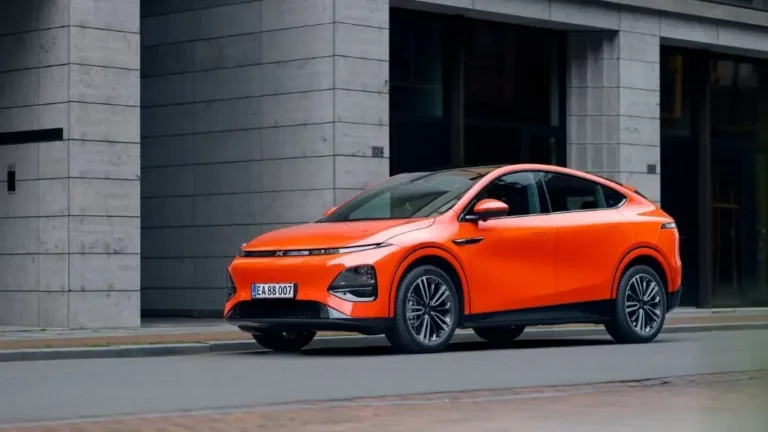
Fix also highlights Europe’s retreat from aggressive EV mandates as a signal to the global market. Automakers, including major players like Volkswagen, are struggling to balance regulatory pressure with financial sustainability. At the same time, Chinese manufacturers are reshaping the competitive landscape through heavy government subsidies, allowing them to undercut global competitors on price while rapidly advancing technology and design.
That imbalance creates long-term risks. She raises concerns about vehicle longevity, environmental impact, and the implications when subsidized manufacturers exit the market, leaving unsupported vehicles and stranded inventory. These dynamics, she says, are already visible in overseas markets and could have ripple effects worldwide.
Beyond powertrains, Fix turns to the growing importance of data ownership and retail control. She warns that connected vehicles, charging infrastructure, and digital retail platforms are quietly shifting valuable customer data away from dealers. This shift becomes even more concerning as tech giants and automakers explore direct-to-consumer or hybrid sales models that sidestep traditional dealer relationships.
Recent collaborations between automakers and large digital platforms illustrate how quickly years of dealer-built customer relationships can be disrupted. Dealers have invested heavily in facilities, community presence, and customer experience, only to risk being marginalized as manufacturers and third parties seek greater control over sales, financing, insurance, and data.
Ultimately, Fix frames the issue as bigger than vehicles or technology. The stakes involve local jobs, community investment, and the survival of franchise dealers as economic anchors. While innovation is inevitable, she stresses that progress should not come at the expense of the relationships and infrastructure that built the industry.
As the year closes, Fix’s outlook is cautious but clear: consumers are signaling what they value, and the industry must respond accordingly. The path forward will favor flexibility, transparency, and models that respect both the customer and the franchise system that continues to support them.