On the dash:
- Ford is seeking tariff relief after disruptions in aluminum supply significantly increased production costs for the F-150.
- A major U.S. aluminum plant outage forced reliance on imports subject to steep tariffs, compounding financial losses.
- The administration has so far declined to provide relief, signaling continued cost pressures for automakers and potential downstream pricing impacts.
Ford is pressing the Trump administration for relief from aluminum tariffs after supply chain disruptions drove up costs for its top-selling Ford F-150, according to a report by The Wall Street Journal.
The automaker’s request follows two fires at a key aluminum supplier facility in New York that halted production, forcing the company to source material from overseas at significantly higher costs due to import duties. The disruption has had a direct impact on Ford’s financial performance. The company has already absorbed billions in additional costs tied to tariffs and supply shortages and expects further losses as the situation continues into 2026.
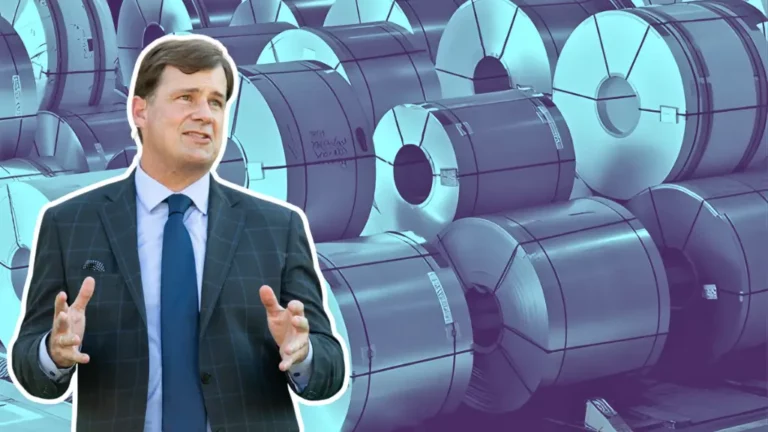
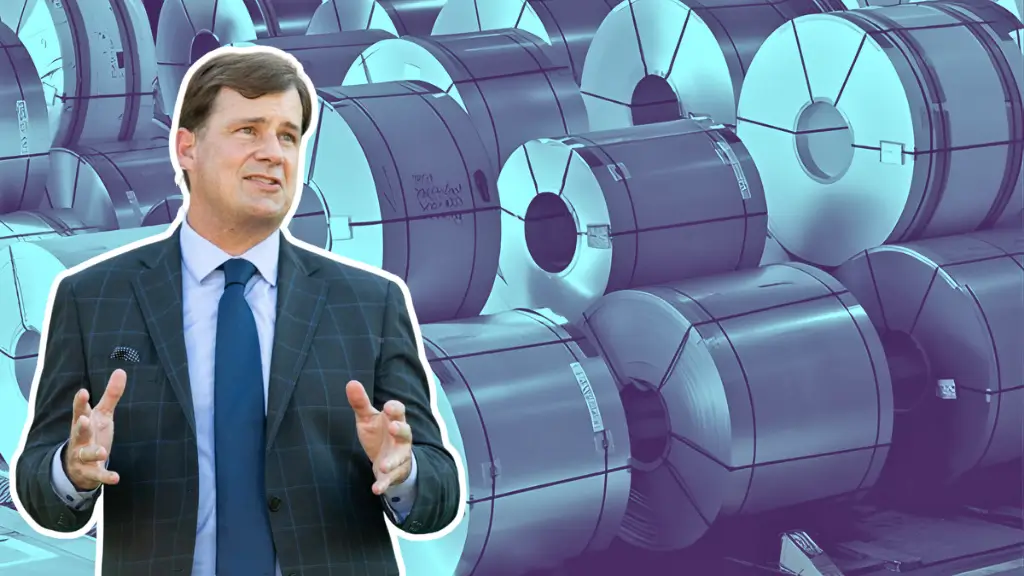
The affected plant, operated by Novelis, is a primary supplier of aluminum sheet used in vehicle production, including the F-150, which relies heavily on aluminum for weight reduction and efficiency. With the facility offline, replacement supply has come from Europe and South Korea, where imported material is subject to tariffs as high as 50%.
Despite industry appeals, the administration has so far declined to grant tariff exemptions, maintaining that automakers have not made a sufficient case for relief.
The situation highlights broader challenges facing the auto industry, where globally integrated supply chains make it difficult to avoid tariffs on materials and components. Even vehicles assembled in the United States often rely on imported inputs, exposing manufacturers to policy-driven cost increases.
Industry analysts note that prolonged tariffs, combined with supply disruptions, could continue to pressure margins and potentially lead to higher vehicle prices if automakers pass costs on to consumers.