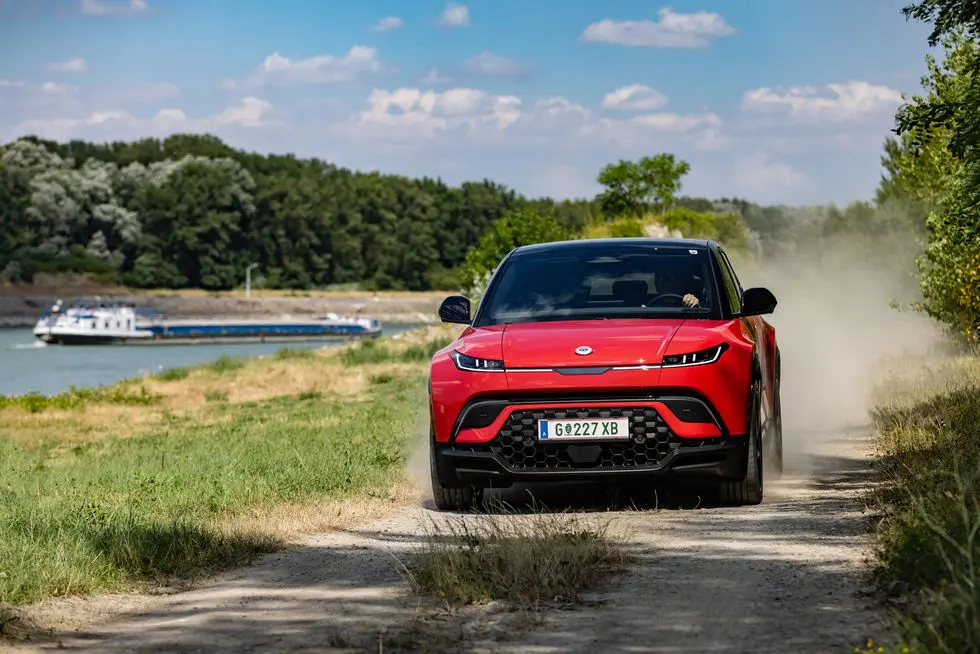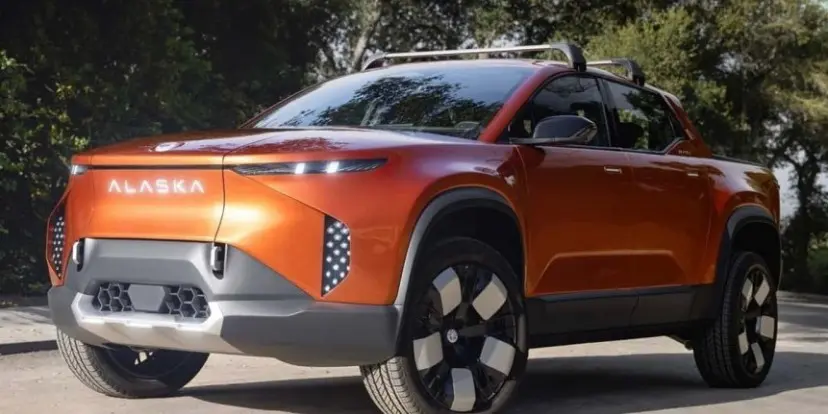

The electric vehicle startup Fisker has filed for bankruptcy, marking the second time an automotive venture by car designer Henrik Fisker has gone bust. This filing comes roughly a year after the release of its first EV model, the Ocean SUV. The California-based company, which aimed for a faster and cheaper entry into the auto industry by outsourcing manufacturing, struggled with the complexities of running a publicly held company.
The seven-year-old company quietly wound down its operations over recent weeks. Despite starting deliveries of the Ocean SUV last summer, Fisker faced a cooling market for battery-powered vehicles and signs of weaker consumer demand for EVs than anticipated. This downturn underscores the challenges faced by new carmakers emulating Tesla’s success, many of which raised billions in splashy public debuts only to burn through their cash reserves while developing new models and building infrastructure.
Fisker’s bankruptcy follows the fate of other high-profile EV startups, such as Lordstown Motors and Arrival, which also filed for bankruptcy protection. Others in the sector are cutting costs or delaying investments to conserve their remaining cash.
Henrik Fisker’s first automotive venture, Fisker Automotive, also ended in bankruptcy in 2013 after launching the $100,000 plug-in hybrid Fisker Karma. This new venture raised over $1 billion from investors and partnered with suppliers like Magna Steyr and Contemporary Amperex Technology, but it ultimately failed due to internal financial and operational missteps.
Moreover, the company faced multiple challenges, including defaulting on a debt agreement, a pivot from a direct-to-consumer sales model to dealerships that failed to boost sales, and issues with its inaugural vehicle, which was criticized for software problems. The National Highway Traffic Safety Administration investigated reports of the Ocean SUV rolling away or losing braking performance, which Fisker claimed were resolved with a software update.
A lack of qualified accounting professionals contributed to Fisker missing multiple regulatory deadlines for financial reporting, exacerbating the company’s financial woes. In less than a month, the company also lost several top executives, including two chief accounting officers.
By the end of 2023, Fisker had produced over 10,000 Oceans but only delivered around 4,900 to customers. In an effort to expedite deliveries, Fisker switched to a traditional dealer model. Despite these efforts, the company issued a “going concern” warning in February, indicating it might run out of money within the year. Attempts to raise additional funds from investors failed, leaving bankruptcy as the only viable option.
In early April, Fisker appointed a restructuring expert to its board and explored strategic options, including potential asset sales. With cash reserves dwindling to around $50 million, Fisker began laying off employees and closing facilities, warning remaining staff that their last day could be the end of June if a solution wasn’t found.
This unfortunate turn of events highlights significant hurdles for new entrants in the highly competitive and capital-intensive automotive industry.