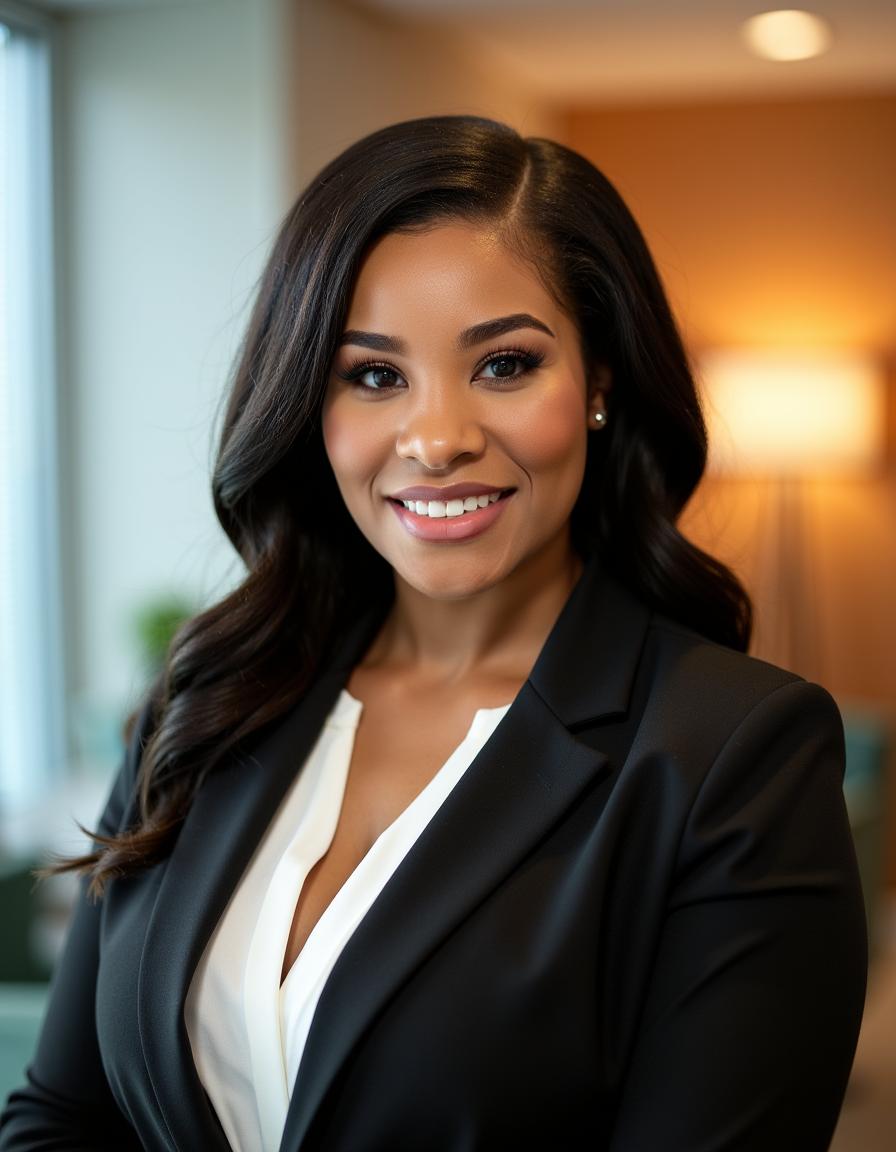

State dealer associations are on the front lines defending dealers’ rights and ensuring a level playing field among OEMs, dealers and consumers. In today’s episode of Inside Automotive, Ted Smith, president of the Florida Automobile Dealers Association (FADA), discusses the importance of trade associations and their critical role in the industry.
Smith has represented dealers for over two decades with a fierce commitment to the franchise system. While dealers stay focused on running their stores, associations serve as watchdogs, anticipating threats, developing solutions, and stepping in before problems escalate.
Currently, one of the biggest battles facing dealer associations nationwide is the attempt by OEMs to circumvent state franchise laws. Smith cites several examples, including Sony-Honda Mobility’s Afeela brand, Volkswagen’s Scout Motors, Hyundai’s partnership with Amazon and Chinese automakers seeking entry into the U.S. market.
In Florida, a pressing issue involves insurance companies such as State Farm and Progressive refusing to pay physical loss claims on loaner vehicles. Smith says FADA is pursuing solutions and will push for legislation if necessary, similar to measures Texas has already adopted.
"We deliver the same service to a small single point dealer as we would to AutoNation, Lithia, or any of the publics. We have great relationships with dealers at both ends of the spectrum, and I'm really proud of it. We try to develop a culture that's responsive to all of those groups."
FADA has also celebrated significant wins in defending the franchise system. In 2023, when Volkswagen delayed announcing how it would distribute Scout vehicles, Smith grew concerned that the automaker might attempt direct-to-consumer sales. He convened with lawyers, dealers and executives to review state franchise laws for loopholes and raised the issue with legislators. FADA believed VW could try to bypass dealers by positioning Scout as a subsidiary brand—a concern later validated when the OEM announced its direct-sales plan.
Smith praises the National Automobile Dealers Association (NADA) for its national impact, particularly in overturning the Federal Trade Commission’s CARS rule, which saved dealers hundreds of thousands of dollars.
He reflects on a previous accomplishment for FADA that occurred in 2007 and 2008 when the associate pushed for legislation requiring retail-like reimbursement for warranty parts as well as labor. After the Alliance of Automobile Manufacturers sued, claiming the provisions were unconstitutional, FADA raised millions to defend the law in court and ultimately prevailed. The case established the surcharge provision as constitutional, setting a precedent that continues to benefit dealers nationwide.
Looking ahead, Smith says that there are several challenges on the horizon. In February, FADA will join NADA in Washington, D.C., to fight the “right to repair” legislation, which independent repair shops argue is needed for access to OEM repair information. He believes the push is primarily about allowing the use of non-OEM parts and warns that companies like Amazon and eBay may also seek to expand their role in the auto parts business
EPA regulations remain an additional concern, and he warns that they could affect dealer allocations by forcing manufacturers to balance ICE and EV requirements.
For now, Smith’s top priority is countering Scout Motors’ communications with state legislatures, which argue that the franchise system is “archaic” and anticompetitive. He’s also backing a group of dealers who are currently going toe to toe with VW and Scout Motors in court while continuing to confront the broader issue.
Smith also criticizes the recent letter from the Alliance for Automotive Innovation to the U.S. Department of Justice, suggesting franchise laws harm competition and consumers. The Alliance represents nearly 15 automakers, including longtime dealer-centric brands such as Ford and General Motors. Smith urges OEMS to reaffirm their support for the franchise model publicly. If they choose to remain silent, he believes that dealers and associations should question what it means and prepare accordingly.