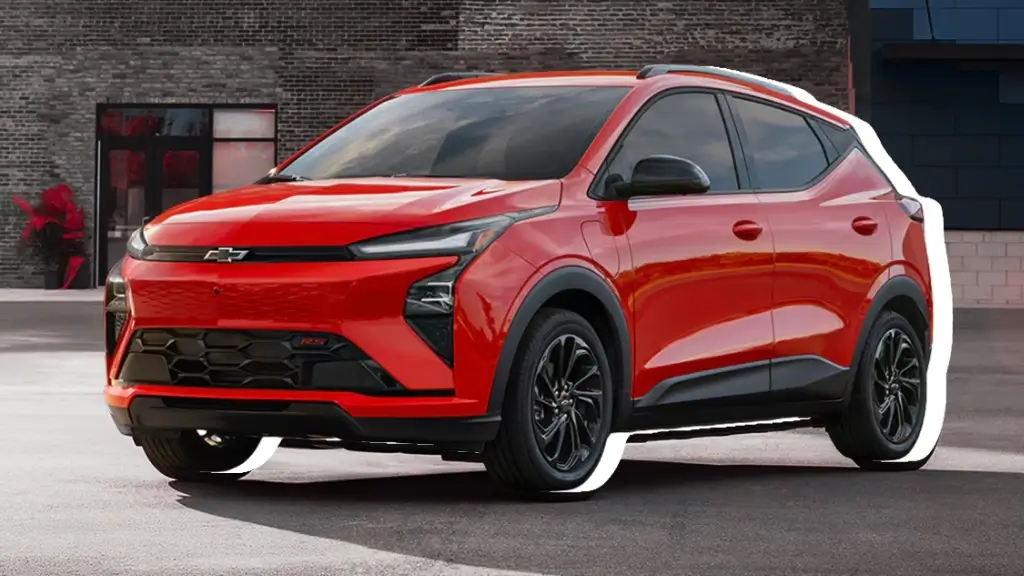

Consumers worry about the high price of electric vehicles (EVs), but EVs cost less to own than similar gas-powered cars over five years in nearly every region of the U.S., according to a detailed analysis conducted by automotive research firm J.D. Power.
Despite high sticker prices, EVs had a cost advantage over gasoline counterparts in every state except Maine and West Virginia. J.D. Power’s analysis, conducted in the first quarter for Automotive News, considered factors such as transaction prices, taxes, regional gas prices, electricity rates, and zero-emission vehicle incentives. The data suggests that long-term cost savings outweigh comparable vehicles’ initial EV sticker shock.
Upfront prices for EVs are significantly higher than for gas-powered vehicles. In the first quarter, EVs had an average transaction price of $57,584, about $13,000 more than the average transaction price of an internal combustion engine vehicle. This high initial cost is a barrier to faster EV adoption, as EVs still made up just 7 percent of first-quarter new vehicle sales.
However, EVs come out ahead when considering the total cost of ownership, which includes fueling costs, insurance rates, registration fees, and other expenses. The introduction of a point-of-sale federal tax credit of up to $7,500 in January has made EVs more affordable immediately, encouraging consumers to focus on long-term savings rather than the initial purchase price.
Ford Pro Insure offers a comprehensive commercial auto coverage solution for businesses, now available in Maryland and Minnesota. Underwritten by Ford Credit’s insurance subsidiary and powered by Pie Insurance, Ford Pro Insure aims to enhance the efficiency and productivity of commercial fleets. Minnesota customers will have the option of a standard or usage-based policy leveraging data capabilities on new Ford Pro vehicles, potentially earning a 10% discount.
In states like New Jersey, EV buyers can save about $10,000 over five years thanks to incentives such as the EV sales tax exemption. However, in states like West Virginia, owning an EV is less financially advantageous than owning a gas vehicle, although the gap amounts to just $1,800 over five years.
The analysis by J.D. Power highlights that an electric vehicle costs roughly $3,000 less to own over five years than a similar internal combustion engine vehicle. For three-year leases, EVs cost about $1,800 more on average than ICE vehicles. The total cost of ownership includes transaction prices, discounts, fees, incentives, interest rates, residual values, and various operational costs such as insurance, maintenance, and fuel.
Consumer reluctance to buy EVs often stems from concerns about the availability of charging infrastructure and the higher monthly car loan payments associated with EVs. However, as EV prices fall and charging infrastructure improves, more consumers are expected to consider EVs. The average monthly payment on a new-vehicle loan in the first quarter was $735, with an average interest rate of over 7 percent.
Overall, while the transition to EVs is still in the early stages, the long-term financial benefits and ongoing improvements in technology and infrastructure are expected to drive increased adoption in the coming years.