The long-predicted electric-only future for cars is unraveling faster than most experts expected. Across the globe, internal combustion engines are making a comeback, and consumers, automakers, and governments alike are reassessing the rush toward all-electric vehicles. According to a recent report from EY, half of all car buyers worldwide now plan to purchase a new or used gasoline-powered vehicle. Interest in fully electric cars has dropped by 10 percentage points, and even hybrids have seen a 5-point decline. Europe attributes this shift to a mix of government policy reversals, trade disputes, and growing concerns over the cost and practicality of EV ownership, including charging infrastructure.
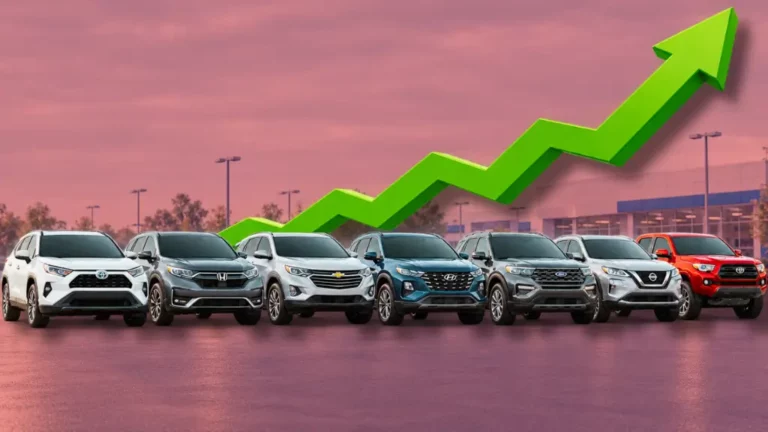
This is not a regional trend. In the United States, there is no longer an electric vehicle mandate and sales of gasoline-powered vehicles have increased. The rollback of fuel economy standards was finalized by the Trump administration. US consumers made the choice, not government regulations. Chinese consumers, while continuing to buy EVs, are less concerned with how their cars are powered and more focused on digital integration and lifestyle features. Worldwide, car buyers are signaling a clear preference for practicality, affordability, and choice over political or environmental mandates.
The implications for the automotive industry are significant. Automakers have long argued for a slower phase-down of fossil fuels as a lifeline for the industry, while EV advocacy groups continue to push for a rapid transition to cut CO2 emissions. Trade pressures add complexity: Western policymakers have imposed tariffs to shield domestic markets from heavily subsidized Chinese EVs, yet U.S. and European automakers also face competition from China’s gasoline-powered vehicles in global markets. Consumers are reacting to these pressures: 36% of prospective EV buyers report reconsidering or delaying their purchases due to geopolitical developments.
Nowhere is the tension between ambition and practicality more visible than in Europe. The European Union’s plan to ban the sale of new internal combustion engine vehicles by 2035 is facing unprecedented pushback. Prime Ministers from six countries—Italy, Poland, Slovakia, Hungary, the Czech Republic, and Bulgaria—have written to European Commission President Ursula von der Leyen, urging a more flexible approach. They propose allowing plug-in hybrids, range-extended electrics, and fuel-cell vehicles to remain on the market beyond 2035. Germany, though not part of the formal letter, is also advocating for relaxed rules amid slower-than-expected EV adoption.
This coalition’s message is clear: Europe cannot afford a rigid, all-electric future without risking its industrial competitiveness and job security. Automakers like Volkswagen, Stellantis, and Renault are watching closely, as billions in future investments hang in the balance. The six leaders argue for “technological neutrality,” emphasizing that no single technology will solve emissions challenges. Banning internal combustion engines outright, they warn, could turn Europe into an industrial desert while simultaneously ceding market share to foreign rivals.
Economic realities reinforce this caution. Europe faces high energy prices, rising labor costs, aggressive competition from China, and lingering uncertainty about consumer EV adoption. The planned EU review of emissions rules, originally set for 2026, has been brought forward due to slower EV uptake. Italy and Germany have been particularly vocal about the need to protect domestic automotive sectors, while France maintains a more EV-forward stance, focusing on electric investment to safeguard jobs. The coalition’s request, however, underscores the growing consensus that a mixed-technology future is the only practical path.
Across the Atlantic, the United States is showing a similar trend. California, long a leader in strict EV mandates, is reconsidering its 2035 goal for all-electric and plug-in hybrid sales. Political and legal challenges, including Senate action to limit the state’s authority to set vehicle emissions rules, have made an all-EV path less certain. These developments indicate that both consumers and policymakers are prioritizing realistic solutions over idealized visions of the future.
The global message is unmistakable: the all-electric car market is no longer inevitable. Gasoline engines, hybrids, and other alternative technologies remain essential to maintaining industrial competitiveness, protecting jobs, and meeting consumer needs. Policymakers, automakers, and consumers are increasingly aligned on a pragmatic path forward—one that balances emissions reduction with economic stability and practical mobility solutions. Across the world, gas cars are not disappearing; they are making a comeback, signaling that the future of transportation will be diverse, flexible, and grounded in real-world needs.
Check out my full commentary on this story: https://youtu.be/NUdi7U0wpS8
Looking for more automotive news? https://www.
Listen to The Drive Car Show – https://www.youtube.com/@