TSLA352.8103.86%
GM76.335-0.085%
F12.090-0.0403%
RIVN15.8380.4083%
CYD44.6701.89%
HMC24.1950.155%
TM210.555-0.08501%
CVNA353.60017.29%
PAG155.510-0.61%
LAD279.3306.22999%
AN199.810-0.71%
GPI336.915-1.225%
ABG204.7100.71%
SAH67.210-0.85%
TSLA352.8103.86%
GM76.335-0.085%
F12.090-0.0403%
RIVN15.8380.4083%
CYD44.6701.89%
HMC24.1950.155%
TM210.555-0.08501%
CVNA353.60017.29%
PAG155.510-0.61%
LAD279.3306.22999%
AN199.810-0.71%
GPI336.915-1.225%
ABG204.7100.71%
SAH67.210-0.85%
TSLA352.8103.86%
GM76.335-0.085%
F12.090-0.0403%
RIVN15.8380.4083%
CYD44.6701.89%
HMC24.1950.155%
TM210.555-0.08501%
CVNA353.60017.29%
PAG155.510-0.61%
LAD279.3306.22999%
AN199.810-0.71%
GPI336.915-1.225%
ABG204.7100.71%
SAH67.210-0.85%

EU proposes removing U.S. industrial tariffs in exchange for lower car duties

A trade deal could ease tensions while leaving risks, including those related to digital taxes and sensitive goods.
The EU proposed eliminating tariffs on U.S. industrial goods in exchange for a reduction in American tariffs on European cars and auto parts

On the Dash: 

  • The European Commission proposed removing tariffs on U.S. industrial goods and granting concessions on select farm and seafood products in exchange for the U.S. lowering tariffs on European cars from 27.5% to 15%, effective retroactively as of August 1.
  • The deal is asymmetric, with the EU making concessions while the U.S. retains tariffs on most other EU exports, but it aims to prevent a threatened trade war.
  • The agreement still requires approval from EU member states and the European Parliament, and additional risks remain, as President Trump has threatened new tariffs on countries that implement digital taxes.

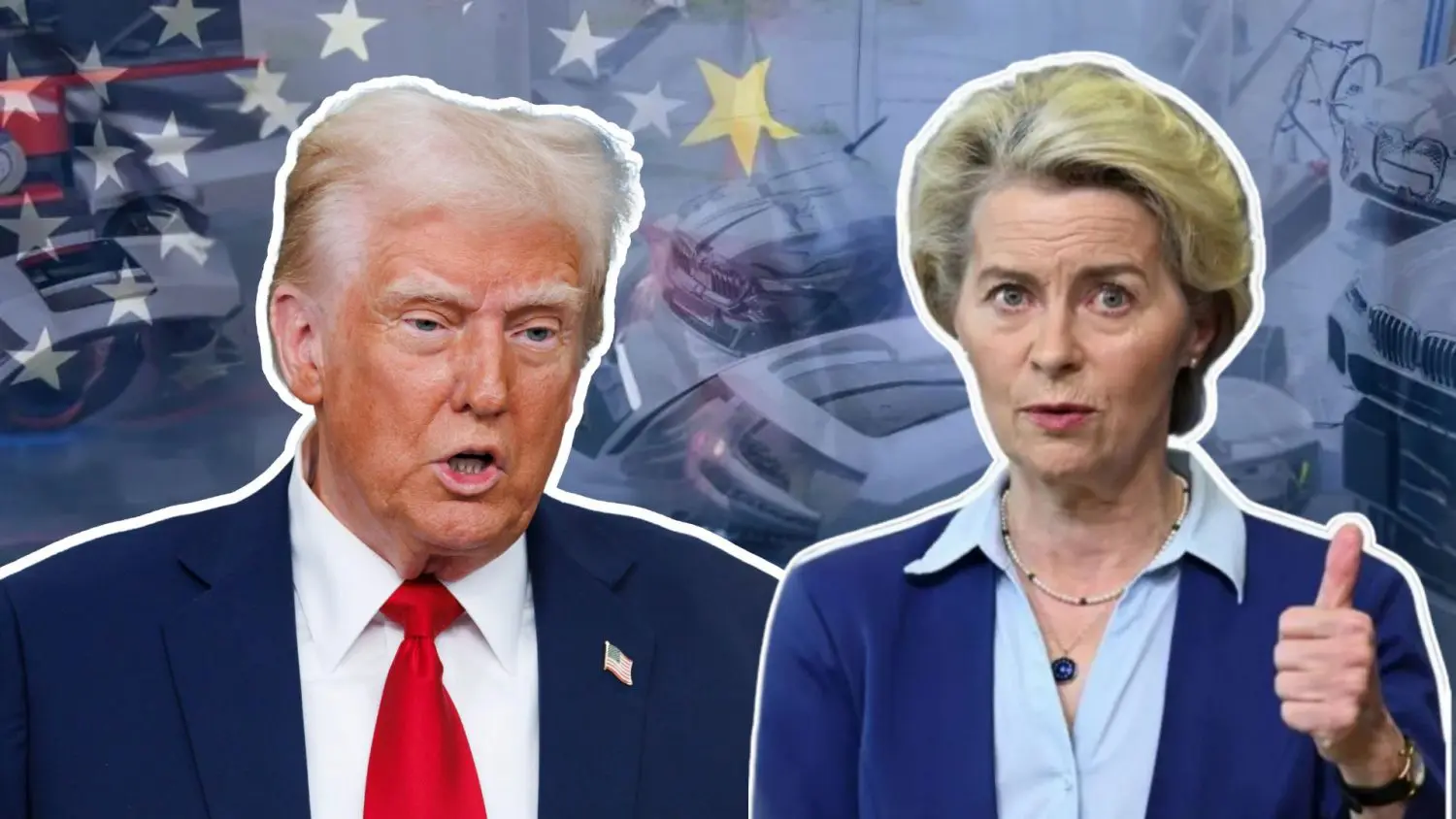
The European Commission proposed Thursday eliminating tariffs on U.S. industrial goods in exchange for a reduction in American tariffs on European cars and auto parts, marking the first step in implementing the trade framework agreed to last month between President Donald Trump and European Commission President Ursula von der Leyen.

Under the agreement, the United States will lower its tariff rate on EU-built cars to 15% from 27.5%, retroactive to Aug. 1, while the EU will remove duties on industrial goods and provide preferential treatment for certain farm and seafood products, including potatoes, tomatoes, pork, cocoa, pizza, and lobsters. Certain sensitive items, including beef, poultry, rice, and ethanol, remain excluded from the list.

Sign up for CBT News’ daily newsletter and get the latest industry stories delivered straight to your inbox.

The deal comes after Trump threatened to impose 30% tariffs on nearly all European imports, raising concerns of a full-scale trade war. European leaders say the agreement is asymmetric but necessary to provide businesses with stability. The European Commission will fast-track the legislative proposal, skipping the usual impact assessment, though it still requires approval from EU member states and the European Parliament.

While the arrangement removes many barriers, critics note the concessions are limited. Two-thirds of U.S. industrial exports to the EU are already tariff-free, and other key sectors, including steel, aluminum, and copper, remain subject to high duties. Meanwhile, American tariffs on digital services remain unaddressed, and Trump has threatened additional tariffs against countries with digital taxes or regulations targeting U.S. tech companies.

The auto industry is among the primary beneficiaries. Germany alone exported $34.9 billion worth of cars and parts to the U.S. in 2024, and the lower tariff rate is expected to ease costs for manufacturers and consumers alike. However, EU officials caution that the deal’s success will depend on future U.S. actions, noting that new tariff threats could trigger a review of the agreement’s terms.

The European Commission and U.S. officials frame the deal as a compromise designed to avoid economic disruption, stabilize trade, and maintain dialogue between two of the world’s largest economic powers, while leaving open questions about digital services and broader U.S. tariffs.


Read More
More from Articles
Volkswagen's profits surge

Volkswagen’s profit collapse singals a reality check for auto industry

- April 13, 2026
For years, automakers and policymakers pushed a narrative that the future of the auto industry was clear, inevitable, and electric. That narrative is now colliding with reality. The latest financial...
Continental Battery Systems Selected by Mazda as Nationwide Battery Partner Across U.S. Dealer Network

Continental Battery Systems selected by Mazda as nationwide battery partner across U.S. dealer network

- April 13, 2026
DALLAS--(BUSINESS WIRE)--Continental Battery Systems (CBS), a leading North American battery distributor, has been selected by Mazda North American Operations as its nationwide battery supply partner, supporting Mazda’s U.S. dealer network...
Fox Motors to acquire Maple Hill Auto Group dealerships in Kalamazoo, Michigan

Fox Motors to acquire Maple Hill Auto Group dealerships in Kalamazoo, Michigan

- April 13, 2026
Fox Motors, a Grand Rapids-based dealer group operating nearly 50 locations across Michigan, has signed an agreement to acquire Maple Hill Auto Group, a multi-franchise, family-owned dealership operation in Kalamazoo....
Oil surge above $100 signals shifting demand, new risks for U.S. auto dealers

Oil surge above $100 signals shifting demand, new risks for U.S. auto dealers

- April 13, 2026
On the Dash: Rising fuel prices are likely to accelerate demand for fuel-efficient, hybrid, and electric vehicles while softening interest in larger trucks and SUVs. Inventory mix and days’ supply...
CBT News
Privacy Overview

This website uses cookies so that we can provide you with the best user experience possible. Cookie information is stored in your browser and performs functions such as recognising you when you return to our website and helping our team to understand which sections of the website you find most interesting and useful.