
TSLA360.590-20.67001%
GM72.540-2.5%
F11.590-0.09%
RIVN15.4000.46%
CYD39.410-0.08%
HMC24.150-0.16%
TM207.010-2.66%
CVNA313.5481.45799%
PAG149.3400.18%
LAD251.8201%
AN197.680-0.29%
GPI329.450-1.34%
ABG194.7600.73%
SAH64.870-0.38%
TSLA360.590-20.67001%
GM72.540-2.5%
F11.590-0.09%
RIVN15.4000.46%
CYD39.410-0.08%
HMC24.150-0.16%
TM207.010-2.66%
CVNA313.5481.45799%
PAG149.3400.18%
LAD251.8201%
AN197.680-0.29%
GPI329.450-1.34%
ABG194.7600.73%
SAH64.870-0.38%
TSLA360.590-20.67001%
GM72.540-2.5%
F11.590-0.09%
RIVN15.4000.46%
CYD39.410-0.08%
HMC24.150-0.16%
TM207.010-2.66%
CVNA313.5481.45799%
PAG149.3400.18%
LAD251.8201%
AN197.680-0.29%
GPI329.450-1.34%
ABG194.7600.73%
SAH64.870-0.38%

EPA to re-evaluate tailpipe emission standards after industry pushback

The Environmental Protection Agency is planning to lower strict emission standards proposed last year, effectively slowing the EV transition
The Environmental Protection Agency is planning to lower strict emission standards proposed last year, effectively slowing the EV transition.

The Biden Administration is planning to relax strict tailpipe emission standards proposed by the Environmental Protection Agency (EPA) last year in an effort to slow down the U.S. automotive industry’s transition to electric vehicles.

The tailpipe requirements, as originally recommended by the EPA, would have been the most stringent in U.S. history, forcing American automakers to reduce new vehicle emissions by 56% as early as 2032. To support this goal, the agency estimated manufacturers would need to increase EV sales until they represented 67% of all new car registrations over the next eight years. In the time leading up to 2032, companies would also need to meet annually revised fuel economy targets to remain in compliance, risking heavy fines if they failed.

However, according to sources speaking to Reuters, the EPA now plans to release a new set of tailpipe emission standards as early as March, which would lower the yearly emission target, decrease the projected EV sales share, and effectively lengthen the timeline for fully abandoning internal combustion engine vehicles.

The decision to reconsider the emission guidelines follows stiff resistance from virtually every corner of the automotive industry, including retailers, manufacturers, and union members. The most common critique of the proposed regulations among opponents is that consumer demand has failed to materialize in support of EVs fast enough to make a rapid transition financially viable. While it remains to be seen how the EPA will rework its proposal, a series of recent meetings held between automaker executives signals the agency is incorporating feedback from the industry.

Read More
More from Articles
Ed Morse Automotive Group acquires Porsche Des Moines in Iowa

Ed Morse Automotive Group acquires Porsche Des Moines in Iowa

- April 3, 2026
Ed Morse Automotive Group acquired Porsche Des Moines in Iowa from Jason Pittack of the Woodhouse Auto Family in a transaction that closed April 1, 2026. The dealership will continue...
GM to invest more than $150 million in Saginaw Metal Casting Plant

GM to invest more than $150 million in Saginaw Metal Casting Plant

- April 3, 2026
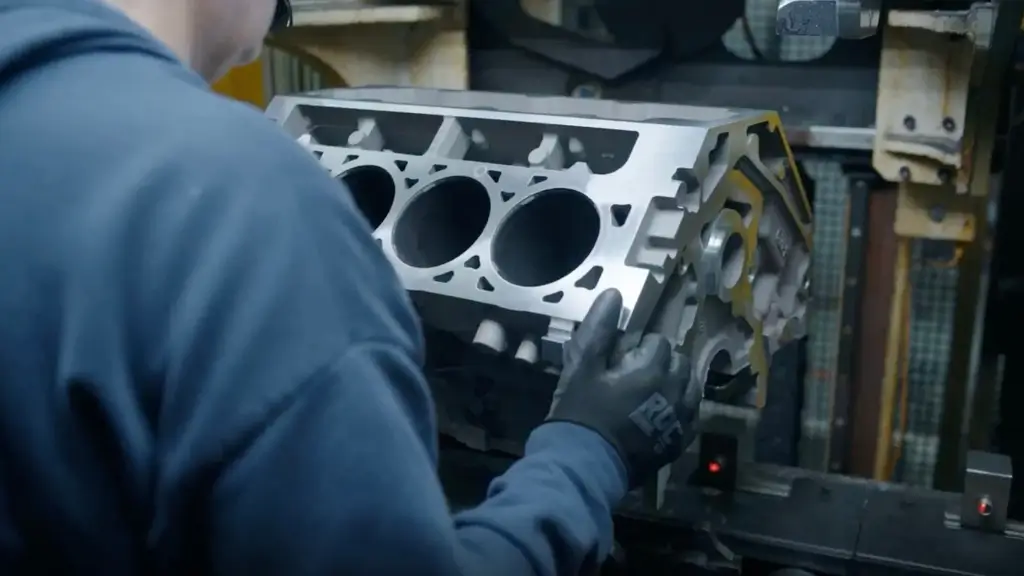
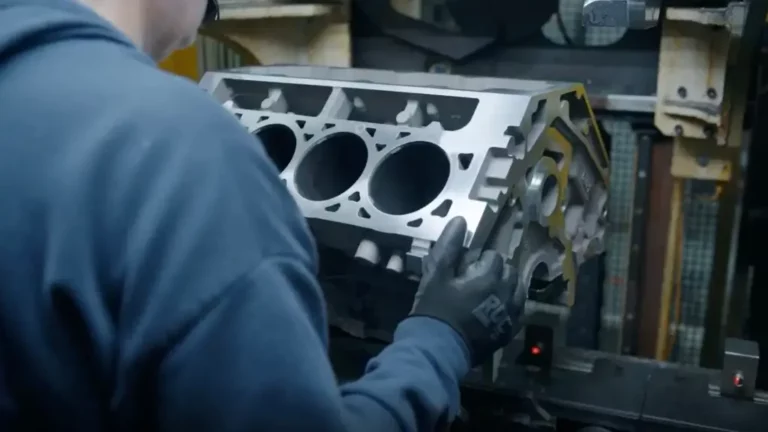
General Motors announced plans to invest more than $150 million in its Saginaw Metal Casting Operations to support the production of the sixth generation of GM’s V-8 engine blocks and...
White House revises metals tariffs, shifts calculation method

White House revises metals tariffs, shifts calculation method

- April 3, 2026
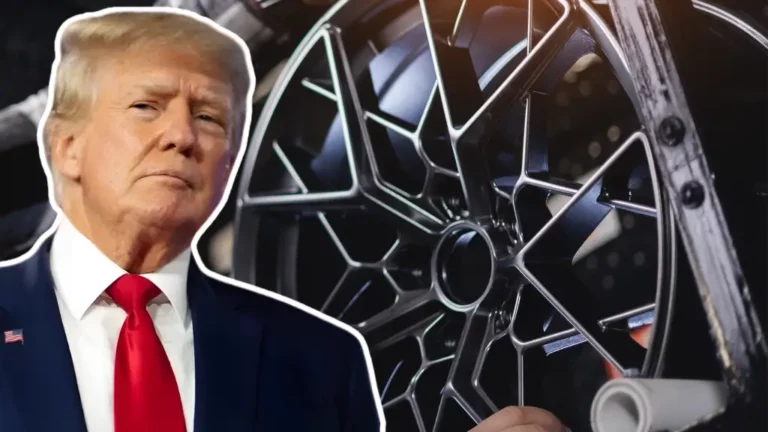
On the Dash: The revised tariff structure simplifies how metals duties are calculated by applying them to consumer purchase prices and eliminating complex component-level assessments. The changes are expected to...
Stellantis explores EV production in Canada with China’s Leapmotor

Stellantis explores EV production in Canada with China’s Leapmotor

- April 3, 2026
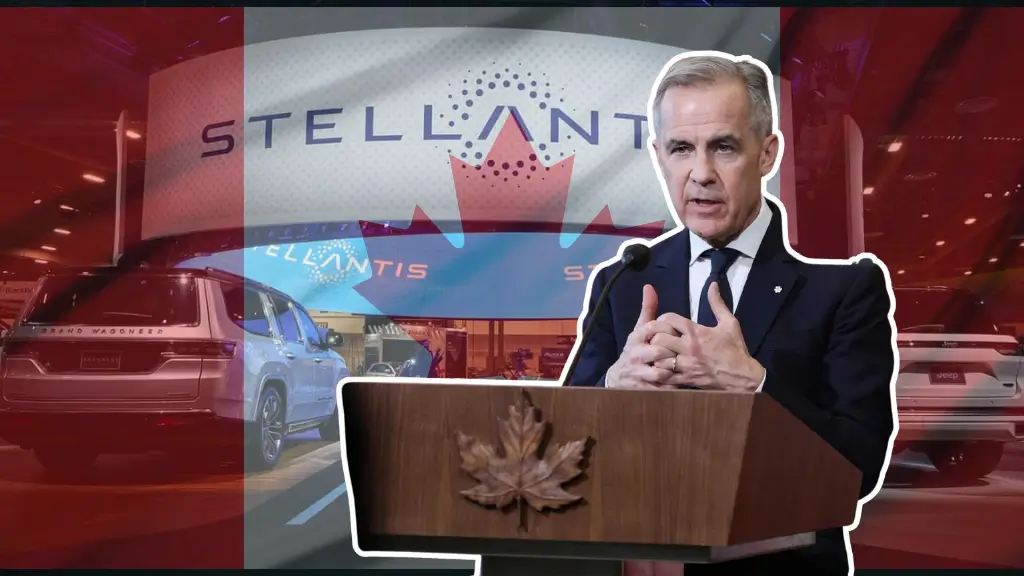
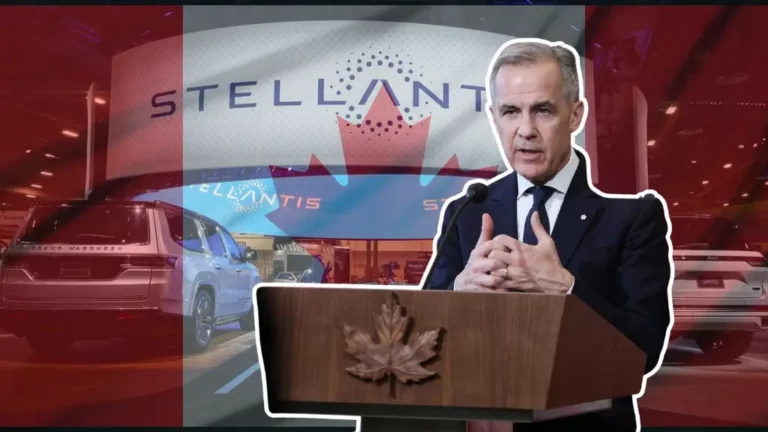
On the Dash: Stellantis’ early-stage talks with Leapmotor highlight how global partnerships are accelerating as automakers adapt to shifting tariffs and EV demand. Uncertainty around U.S. trade policy and potential...
CBT News
Privacy Overview

This website uses cookies so that we can provide you with the best user experience possible. Cookie information is stored in your browser and performs functions such as recognising you when you return to our website and helping our team to understand which sections of the website you find most interesting and useful.