On the Dash:
- A California judge ruled Tesla’s Autopilot and Full Self-Driving marketing misrepresents the technology’s capabilities.
- Tesla has 90 days to revise its marketing or risk suspension of its California sales license.
- The decision underscores heightened scrutiny of how automakers describe driver assistance systems.
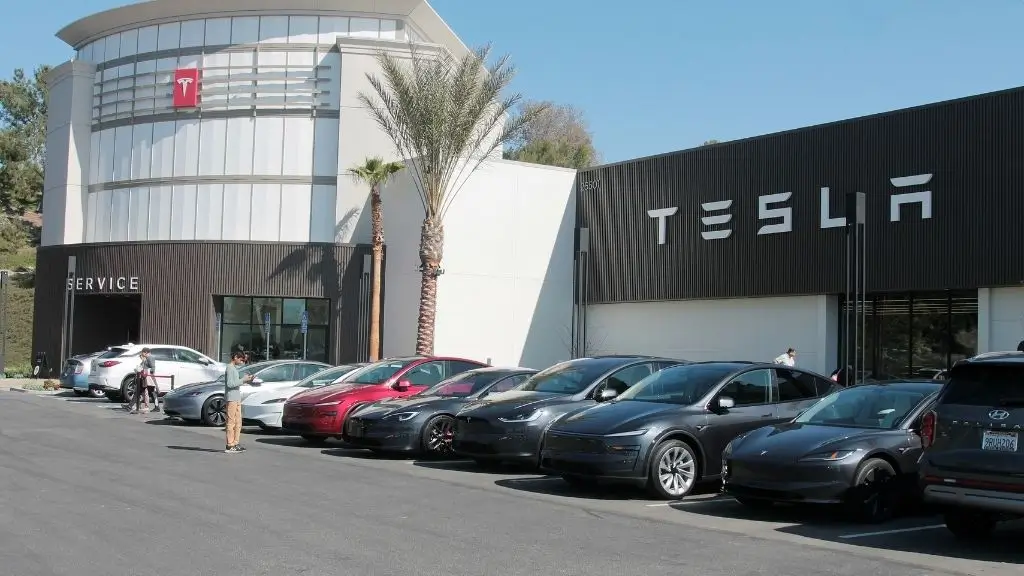
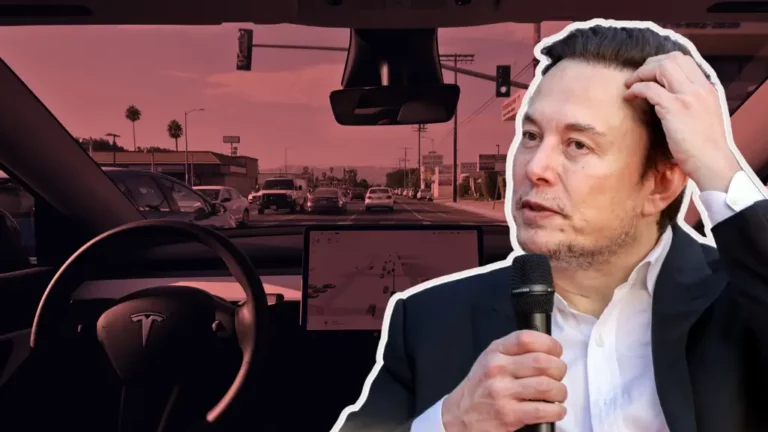
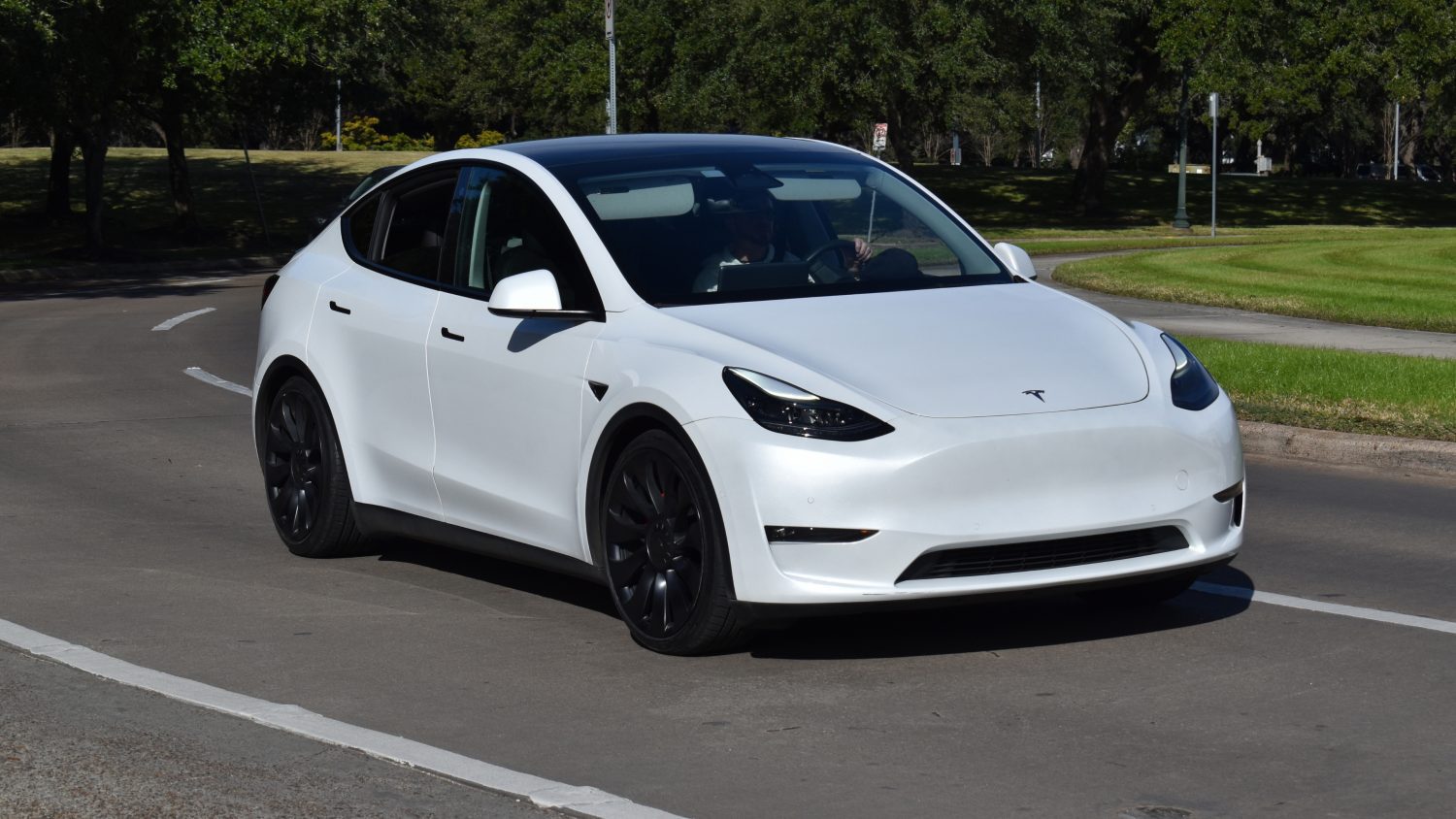
A California administrative law judge has ordered Tesla to revise its marketing language for Autopilot and Full Self-Driving technology within 90 days or risk losing its license to sell vehicles in the state for at least 30 days.
The ruling, issued by Administrative Law Judge Juliet Cox, follows complaints brought by California regulators and a series of hearings held in Oakland in July. The decision centers on how Tesla markets its advanced driver assistance systems to consumers.
State officials argue that Tesla’s Autopilot and Full Self-Driving features are marketed in ways that imply the vehicles can operate independently of a human driver. Regulators say those claims are false and violate California consumer protection and vehicle laws.
Judge Cox agreed with the state, finding that certain Tesla marketing statements fail to meet legal standards. The ruling concluded that using the Autopilot name misrepresents the system’s capabilities because the technology does not enable vehicles to operate at SAE Levels 3, 4, or 5, which define increasingly automated driving functions.
Tesla now has three months to correct the language used in its marketing materials. If the company fails to comply, its factory license to sell vehicles in California could be suspended for at least 30 days.
The decision carries significant weight given California’s role in the U.S. auto market. Electric and electrified vehicles account for roughly one-third of new vehicle sales in the state. California dealers also sell about one-third of all EVs and hybrids nationwide.
Regulators at the state’s motor vehicle bureau emphasized that drivers must remain actively engaged at all times when using Tesla’s driver-assistance systems. The case adds to the growing regulatory scrutiny of how automakers describe advanced driver-assistance features as companies race to develop more automated vehicles.