TSLA449.05015.6%
GM76.250-0.19%
F13.6151.625%
RIVN14.4100.4601%
CYD50.5752.055%
HMC24.4750.365%
TM187.5055.835%
CVNA70.400-3.32%
PAG166.680-2.35%
LAD274.200-1.1%
AN192.580-2.78%
GPI332.925-3.215%
ABG194.6300.95%
SAH77.080-1.5%
TSLA449.05015.6%
GM76.250-0.19%
F13.6151.625%
RIVN14.4100.4601%
CYD50.5752.055%
HMC24.4750.365%
TM187.5055.835%
CVNA70.400-3.32%
PAG166.680-2.35%
LAD274.200-1.1%
AN192.580-2.78%
GPI332.925-3.215%
ABG194.6300.95%
SAH77.080-1.5%
TSLA449.05015.6%
GM76.250-0.19%
F13.6151.625%
RIVN14.4100.4601%
CYD50.5752.055%
HMC24.4750.365%
TM187.5055.835%
CVNA70.400-3.32%
PAG166.680-2.35%
LAD274.200-1.1%
AN192.580-2.78%
GPI332.925-3.215%
ABG194.6300.95%
SAH77.080-1.5%

BMW recalls over 70,000 EVs due to power loss risk

A software glitch causes the high-voltage system to shut down, impacting drive power.
BMW

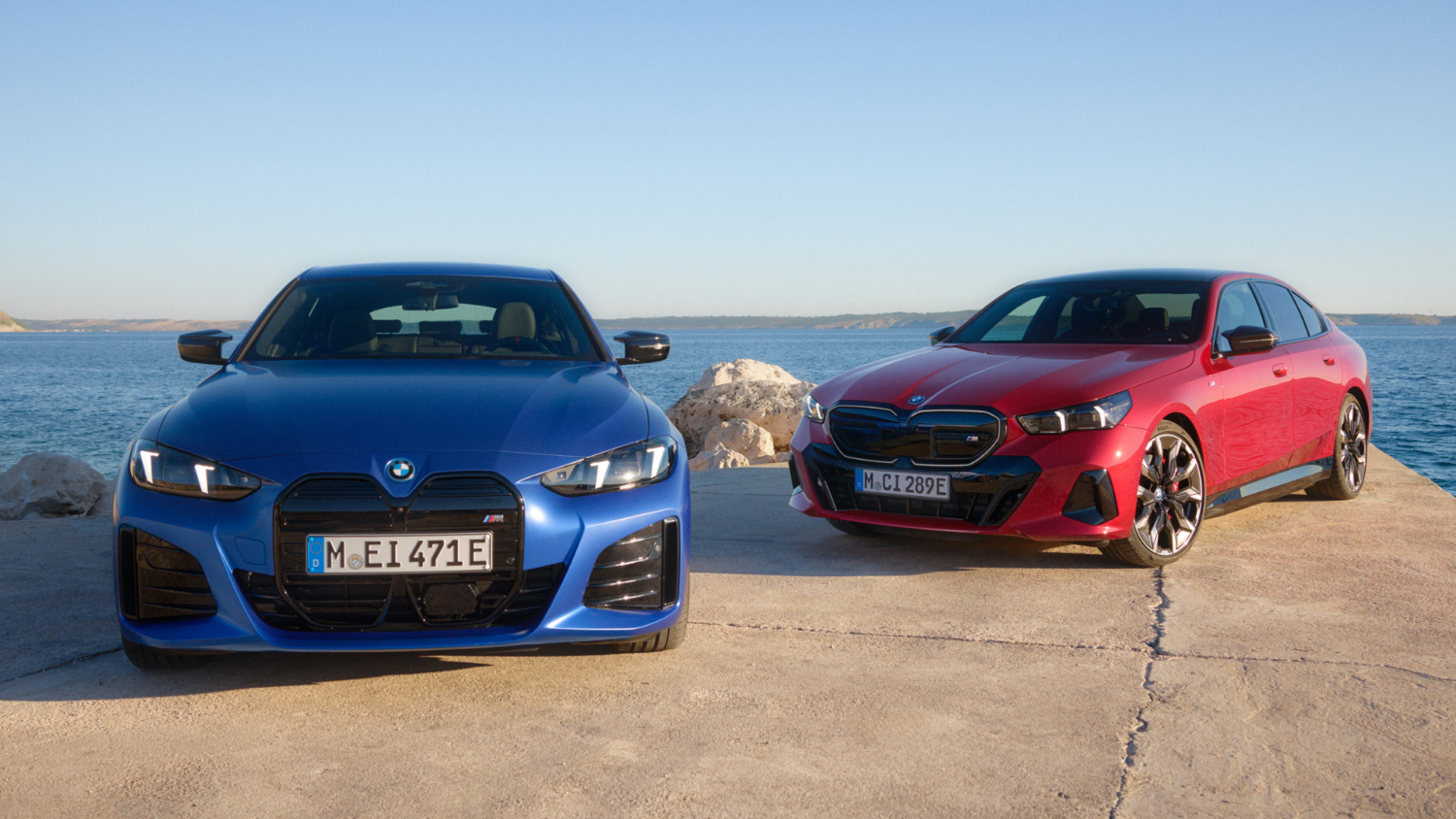
The BMW i4 and the BMW i5 | Photo By: BMW

BMW is recalling more than 70,000 electric vehicles in the U.S. after identifying a software issue that can cause the vehicle’s high-voltage system to shut down, leading to a temporary loss of drive power. The recall impacts several EV models, including the i4, i5, i7 and iX produced between 2022 and 2025.

The issue stems from the electric drive motor software that may incorrectly detect a double-isolation fault condition. When this happens, the vehicle enters a fail-safe mode that shuts down the high-voltage system for approximately 15–20 seconds. While braking and steering remain functional during this time, the car may lose propulsion, increasing the risk of a crash.

Sign up for CBT News’ daily newsletter and get the latest industry stories delivered straight to your inbox.

According to BMW, 70,852 EVs are affected by the recall. This includes 2022–2025 i4s, 2022–2024 iX models, 2023–2024 i7s and 4,674 i5s from the 2024 model year. Customers will receive a software update to resolve the issue, which can be completed either over the air or at a BMW dealership. Owner notifications are expected to begin on August 5.

The problem was first investigated in 2021 when BMW received isolated reports of power loss, initially believed to be caused by debris in the electric motors. However, due to the low volume of complaints, the company was unable to immediately identify a clear cause. After years of analysis, BMW determined the root of the issue was related to software misinterpreting certain electrical conditions and triggering unnecessary system shutdowns.

The shutdown is part of a safety protocol designed to prevent potential electric shock or thermal events, but in this case, the system may be responding to a false reading. BMW has received approximately 43 warranty claims related to propulsion loss at speeds exceeding 20 mph. No crashes or injuries have been reported in connection with the defect.

Dealers and vehicle owners are urged to complete the software update as soon as possible to prevent further incidents and ensure the continued safe operation of the affected electric models.

Read More
More from Articles
The simple 'paperwork' mistake that could cost dealers $10,000

The simple ‘paperwork’ mistake that could cost dealers $10,000

- May 13, 2026
On the Dash: CDK Global says a paperwork problem cost a dealer $10,000 during a manufacturer audit. NADA calls federal record-keeping requirements among the most burdensome rules dealers face today. ...
GM-LG battery venture recalls small group of Ohio workers as EV demand slows

GM-LG battery venture recalls small group of Ohio workers as EV demand slows

- May 13, 2026
On the Dash: EV production volatility is directly affecting supply chain employment and factory output decisions. Incentive-driven demand shifts are forcing automakers to adjust production more quickly than long-term EV...
Nissan projects return to profit after seventh straight quarterly loss

Nissan projects return to profit after seventh straight quarterly loss

- May 13, 2026
On the Dash: Nissan’s projected return to profit could improve dealer confidence after multiple quarters of financial instability. Ongoing model cuts and production restructuring may impact future inventory mix and...
New-vehicle prices rose in April, but the gains fell short of the historical average, with wide variation across brands and segments, according to Kelley Blue Book.

New-vehicle prices rise in April, but the pace is cooling

- May 13, 2026
On the Dash: New-vehicle ATP rose 1.8% year over year in April, below the 3.6% long-term average. Ford and GM posted strong gains while several luxury brands saw transaction prices...
CBT News
Privacy Overview

This website uses cookies so that we can provide you with the best user experience possible. Cookie information is stored in your browser and performs functions such as recognising you when you return to our website and helping our team to understand which sections of the website you find most interesting and useful.