TSLA449.04215.5918%
GM76.260-0.18%
F13.6101.6201%
RIVN14.3950.445%
CYD50.5752.055%
HMC24.4650.355%
TM187.5055.835%
CVNA70.410-3.31%
PAG166.660-2.37%
LAD274.170-1.13%
AN192.580-2.78%
GPI332.170-3.97%
ABG194.5200.84%
SAH77.080-1.5%
TSLA449.04215.5918%
GM76.260-0.18%
F13.6101.6201%
RIVN14.3950.445%
CYD50.5752.055%
HMC24.4650.355%
TM187.5055.835%
CVNA70.410-3.31%
PAG166.660-2.37%
LAD274.170-1.13%
AN192.580-2.78%
GPI332.170-3.97%
ABG194.5200.84%
SAH77.080-1.5%
TSLA449.04215.5918%
GM76.260-0.18%
F13.6101.6201%
RIVN14.3950.445%
CYD50.5752.055%
HMC24.4650.355%
TM187.5055.835%
CVNA70.410-3.31%
PAG166.660-2.37%
LAD274.170-1.13%
AN192.580-2.78%
GPI332.170-3.97%
ABG194.5200.84%
SAH77.080-1.5%

Automakers challenge NHTSA’s automatic emergency braking mandate in court

Despite industry pushback, NHTSA has chosen to push forward with the mandate, arguing that the benefits far outweigh the potential drawbacks.
NHTSA AEB mandate

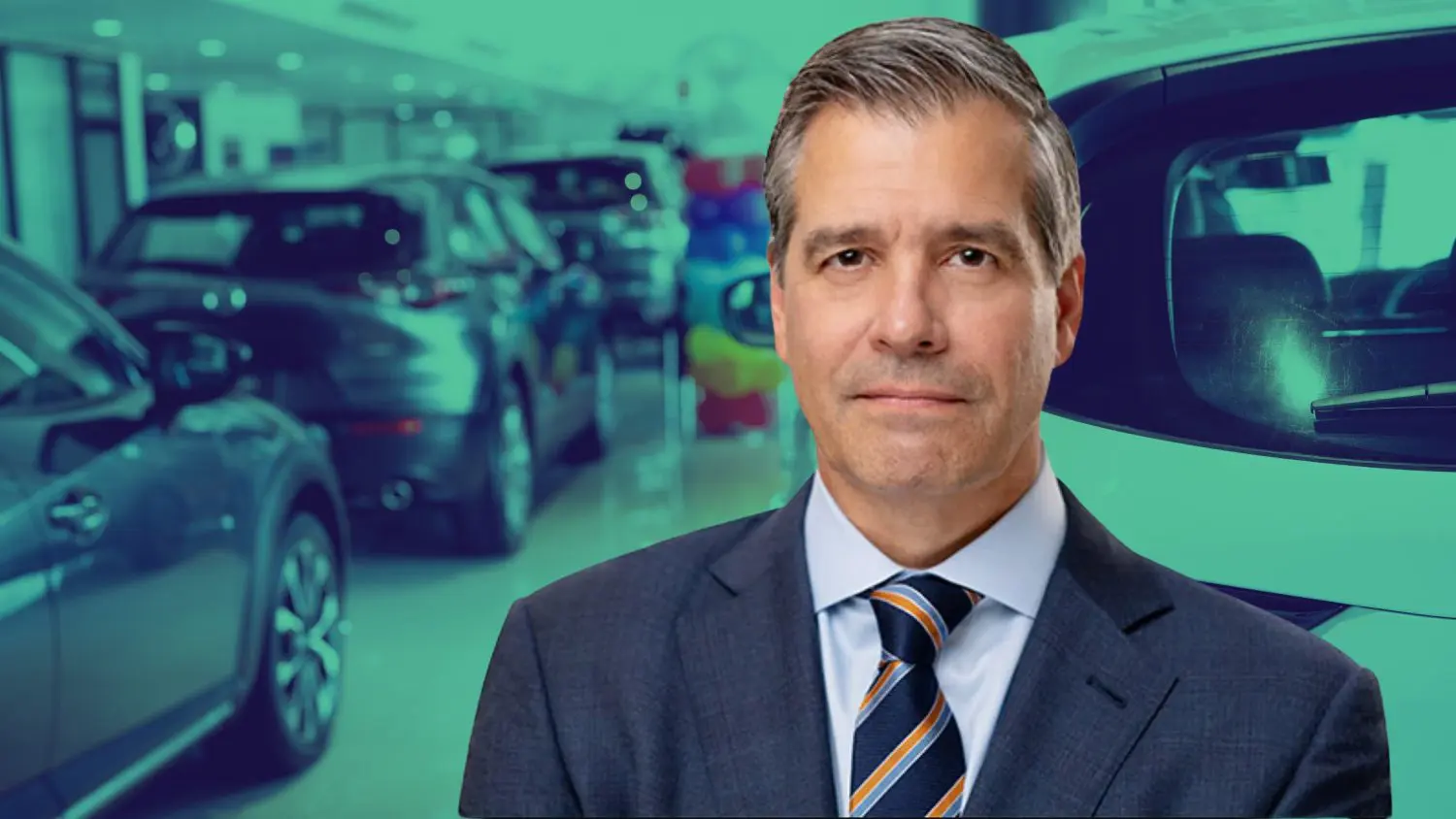
Alliance for Automotive CEO John Bozzella

On January 17, the Alliance for Automotive Innovation, a group representing major automakers like General Motors, Toyota, and Volkswagen, filed a lawsuit against a groundbreaking rule issued by the Biden administration. The rule, finalized by the National Highway Traffic Safety Administration (NHTSA), mandates that by 2029, nearly all new cars and trucks must be equipped with advanced automatic emergency braking (AEB) systems. These systems are designed to prevent collisions by automatically applying the brakes if a crash is imminent.

The Alliance argues that the rule is unachievable with the current state of technology. Specifically, they contend that the requirement for vehicles to be able to stop and avoid striking other vehicles at speeds of up to 62 miles per hour (100 km/h) is unrealistic. Despite requesting that NHTSA reconsider the regulation, the group has now taken legal action, asking the U.S. Court of Appeals for the District of Columbia to overturn the rule.

The proposed regulation is one of the most ambitious auto safety measures in recent years. NHTSA states it will prevent at least 24,000 injuries annually and save up to 360 lives by reducing traffic fatalities. While AEB technology has made significant strides in recent years, Alliance CEO John Bozzella criticized the decision, calling it “a disastrous decision,” arguing that the technology is not yet capable of meeting the rule’s demands.

In 2016, 20 automakers voluntarily agreed to equip nearly all U.S. vehicles with AEB by 2022, and by late 2023, these automakers had equipped 95% of their vehicles with the system. However, industry experts argue that there’s no guarantee that these systems will be effective without enforced regulations.

This latest regulation follows the directive from Congress in the 2021 infrastructure law, which tasked NHTSA with establishing minimum performance standards for AEB systems. Under the current rule, automakers have been given until 2029 to meet these standards, providing them with additional time compared to the original 2023 proposal.

Read More
More from Articles
The simple 'paperwork' mistake that could cost dealers $10,000

The simple ‘paperwork’ mistake that could cost dealers $10,000

- May 13, 2026
On the Dash: CDK Global says a paperwork problem cost a dealer $10,000 during a manufacturer audit. NADA calls federal record-keeping requirements among the most burdensome rules dealers face today. ...
GM-LG battery venture recalls small group of Ohio workers as EV demand slows

GM-LG battery venture recalls small group of Ohio workers as EV demand slows

- May 13, 2026
On the Dash: EV production volatility is directly affecting supply chain employment and factory output decisions. Incentive-driven demand shifts are forcing automakers to adjust production more quickly than long-term EV...
Nissan projects return to profit after seventh straight quarterly loss

Nissan projects return to profit after seventh straight quarterly loss

- May 13, 2026
On the Dash: Nissan’s projected return to profit could improve dealer confidence after multiple quarters of financial instability. Ongoing model cuts and production restructuring may impact future inventory mix and...
New-vehicle prices rose in April, but the gains fell short of the historical average, with wide variation across brands and segments, according to Kelley Blue Book.

New-vehicle prices rise in April, but the pace is cooling

- May 13, 2026
On the Dash: New-vehicle ATP rose 1.8% year over year in April, below the 3.6% long-term average. Ford and GM posted strong gains while several luxury brands saw transaction prices...
CBT News
Privacy Overview

This website uses cookies so that we can provide you with the best user experience possible. Cookie information is stored in your browser and performs functions such as recognising you when you return to our website and helping our team to understand which sections of the website you find most interesting and useful.