
TSLA426.0108.16%
GM78.7901.58%
F14.9301.26%
RIVN14.2200.07%
CYD57.3501.69%
HMC26.4700.21%
TM189.080-0.58%
CVNA68.2803.89%
PAG164.7303%
LAD276.5802.05%
AN189.9803.55%
GPI326.1806.07%
ABG187.7202.34%
SAH78.1602.26%
TSLA426.0108.16%
GM78.7901.58%
F14.9301.26%
RIVN14.2200.07%
CYD57.3501.69%
HMC26.4700.21%
TM189.080-0.58%
CVNA68.2803.89%
PAG164.7303%
LAD276.5802.05%
AN189.9803.55%
GPI326.1806.07%
ABG187.7202.34%
SAH78.1602.26%
TSLA426.0108.16%
GM78.7901.58%
F14.9301.26%
RIVN14.2200.07%
CYD57.3501.69%
HMC26.4700.21%
TM189.080-0.58%
CVNA68.2803.89%
PAG164.7303%
LAD276.5802.05%
AN189.9803.55%
GPI326.1806.07%
ABG187.7202.34%
SAH78.1602.26%

Auto tariffs trigger drop in U.S. maritime vehicle and parts imports

This sharp decline indicates that automakers are opting to hold inventory offshore as they adopt a wait-and-see approach to Trump's shifting tariff policies.
imports

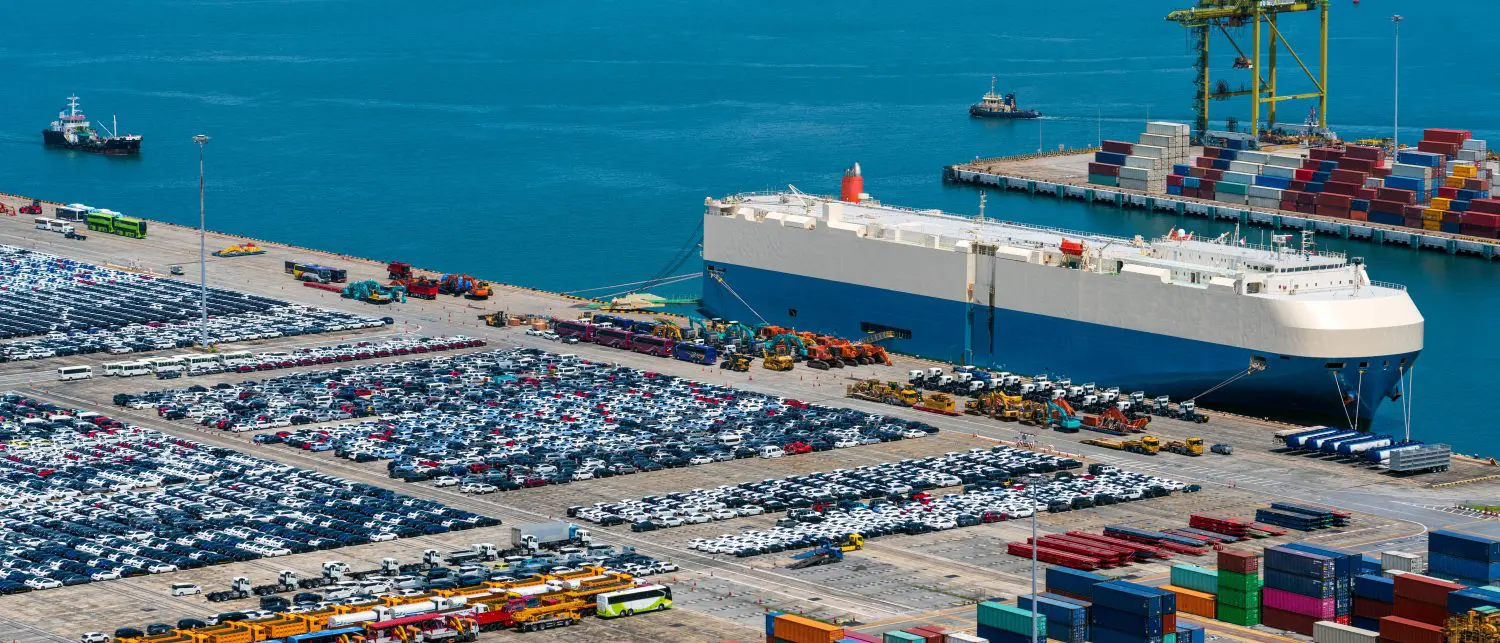
In the wake of President Donald Trump’s tariffs, the volume of auto parts and finished vehicles shipped to the U.S. has declined. According to the trade database Descartes Datamyne, the maritime import volume of auto parts and accessories decreased 14.7% year-over-year, representing a decline of 119,100 metric tons. Finished vehicle shipments also declined by 8.9% from the previous year, to roughly 52,911 metric tons, equivalent to approximately 26,000 vehicles.

These declines suggest that automakers are opting to hold inventory offshore rather than paying the 25% duty on imported autos and parts. Most are likely delaying shipments, hoping for policy changes that could ease the cost burden and help manage supply chain expenses.

Sign up for CBT News’ daily newsletter and get the latest industry stories delivered straight to your inbox.

The maritime shipping data excludes overland imports from Canada and Mexico, but includes shipments from Europe and Asia, which are transported via roll-on/roll-off vessels and shipping containers. The information is based on Harmonized Tariff Schedule codes covering “parts and accessories for motor vehicles” and “motor cars and vehicles for transporting persons.”

For now, automakers are taking a wait-and-see approach, betting on potential policy amendments from the Trump administration.

Typically, automakers aim to maintain 60 days’ worth of inventory on dealer lots, with approximately 15 additional vehicles in transit. In April, the national average was 66 days’ supply — slightly below the industry’s 75-day target. While inventory levels are starting to dip below normal trends, most U.S. dealerships have plenty of cars in stock, including those imported before the auto tariffs were implemented. However, May and the coming months will likely see this supply number continue to decline as shipments slow.

Despite the 25% tariffs, average vehicle prices rose only by 2.5% in April. Dealers will likely increase prices gradually as they work their way through their pre-tariff inventory, avoiding sudden sticker shocks for buyers.


Correction: Descartes Datamyne reached out to CBT News with updated data. The original information overstated the decline in U.S. auto imports by marine shipping. This story has been updated to reflect the corrected data.
Read More
More from Articles
Bojangles Installs First EV Charging Station, Redefining the Roadside Stop with a New “Charge-and-Dine” Experience (1)

Bojangles installs first EV charging station, redefining the roadside stop with a new “charge-and-dine” experience

- May 22, 2026
SAVANNAH, Ga.--(BUSINESS WIRE)--As electric vehicle (EV) adoption continues to grow nationwide, Bojangles is reimagining the future of the roadside stop, debuting its first EV charging station at 4401 Ogeechee Road in Savannah,...
UAW presses for tougher U.S. manufacturing rules ahead of USMCA talks

UAW presses for tougher U.S. manufacturing rules ahead of USMCA talks

- May 22, 2026
On the Dash: UAW pressure for stricter U.S. production rules could reshape sourcing and vehicle assembly strategies across North America. Continued tariff uncertainty may increase costs and complicate dealers' inventory...
Ford halts F-150 production at Dearborn plant after stamping issue

Ford halts F-150 production at Dearborn plant after stamping issue

- May 22, 2026
On the Dash: Temporary F-150 production disruptions could place additional pressure on already tight truck inventory levels. Ford continues working to recover output after earlier supplier-related disruptions impacted dealer supply. ...
J.D. Power forecasts resilient U.S. auto sales despite affordability concerns

J.D. Power forecasts resilient U.S. auto sales despite affordability concerns

- May 22, 2026
On the Dash: Affordability pressures remain the biggest challenge for showroom traffic and closing rates. Hybrids and ICE vehicles continue outperforming EVs as consumers prioritize value and practicality. Leasing is...
CBT News
Privacy Overview

This website uses cookies so that we can provide you with the best user experience possible. Cookie information is stored in your browser and performs functions such as recognising you when you return to our website and helping our team to understand which sections of the website you find most interesting and useful.