The auto industry is bracing for possible disruptions as S&P Global Mobility warns that the ongoing global tariff war now has a 50% chance of causing an extended period of production slowdowns. If this scenario materializes, several vehicle models could see halted production, new car prices would rise, and product development delays could impact automakers for years.
According to the report released Thursday, the uncertainty stems from shifting tariff policies.
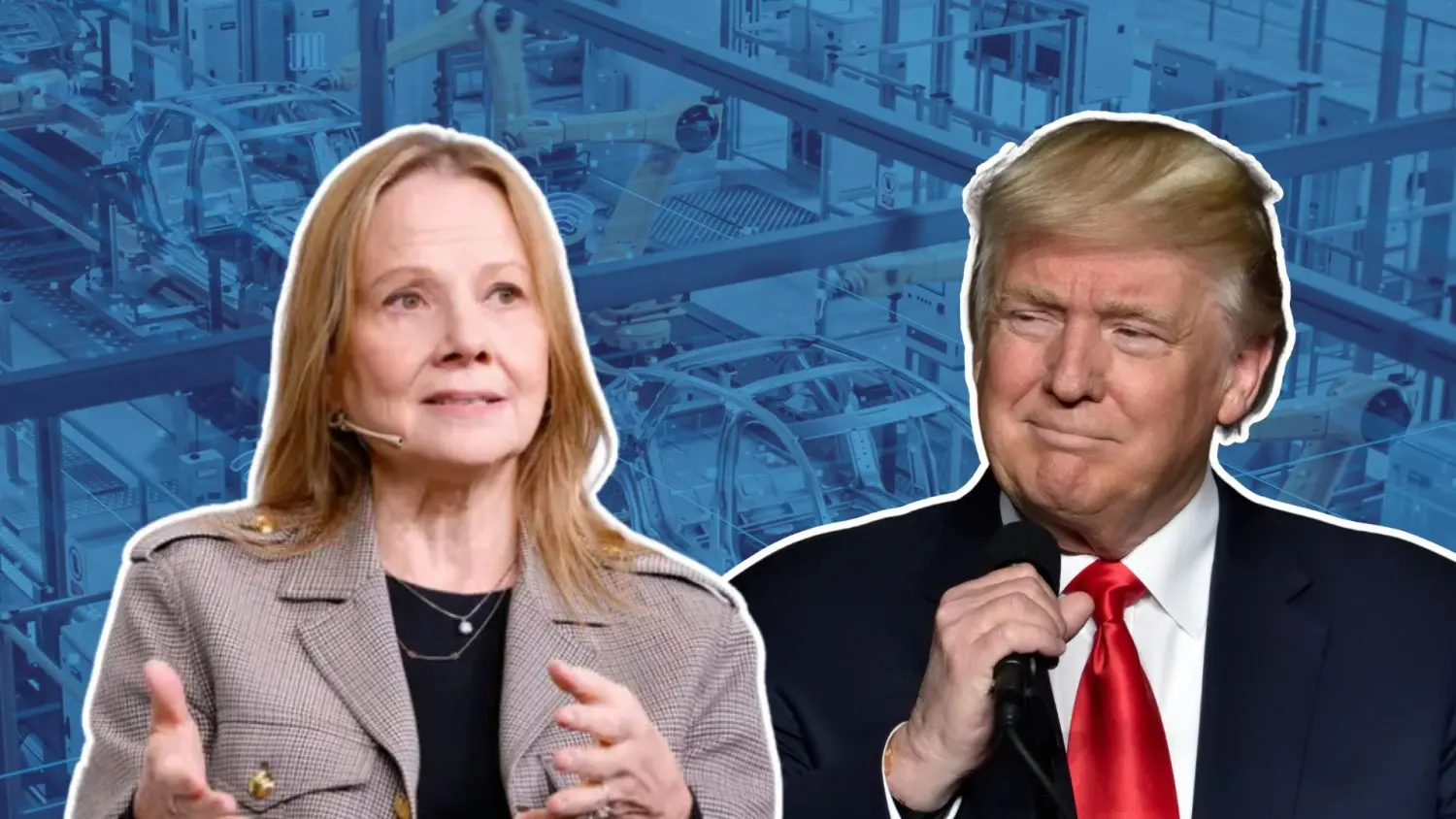
Since February 1, President Trump has implemented multiple rounds of tariffs on Canada, Mexico, and China, prompting retaliatory measures that have heightened supply chain fluctuation. S&P Global predicts North American vehicle production could drop by 20,000 units per day within a week if conditions remain unchanged.
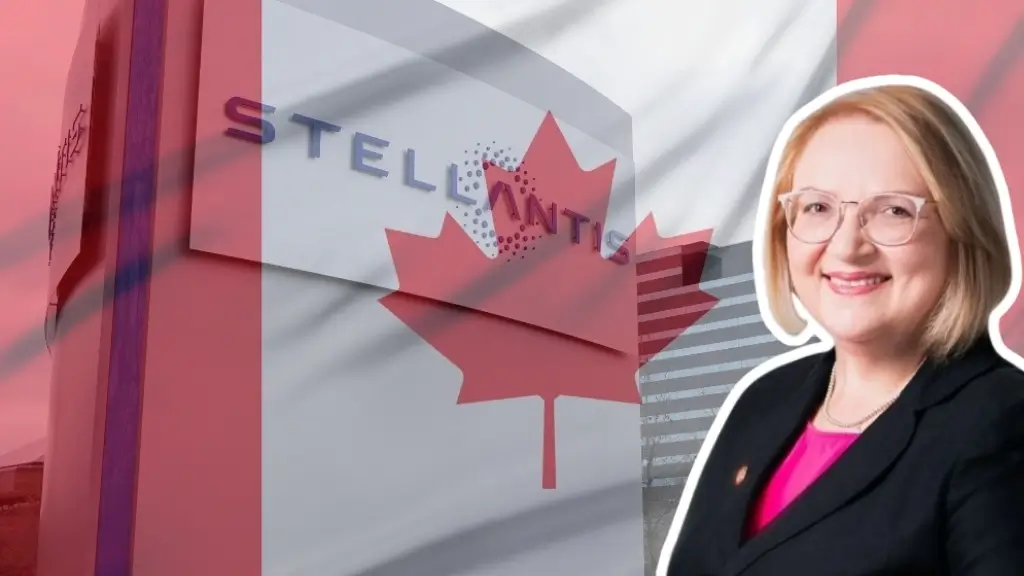
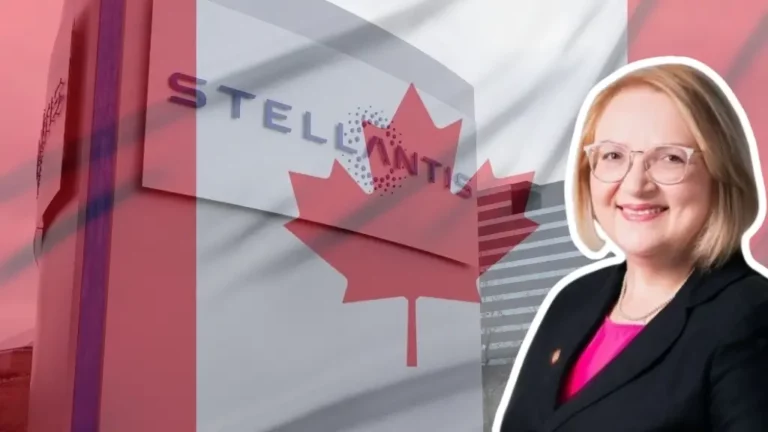
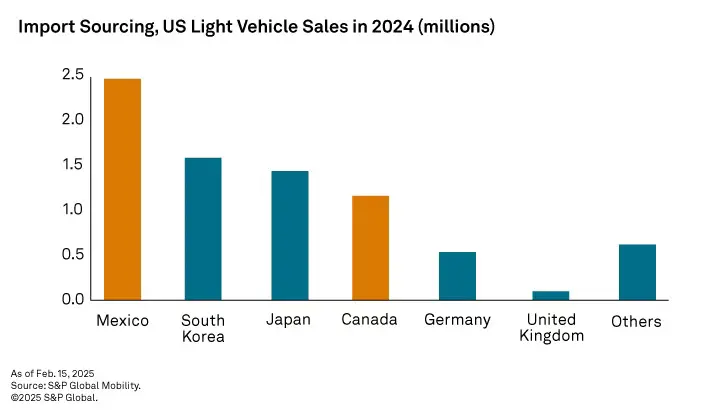
While some argue that tariffs could boost U.S. manufacturing, S&P Global notes that only GM, Ford, and Stellantis have the excess capacity to expand domestic production. Even then, automakers cannot make such changes quickly or cost-effectively, especially with suppliers needing to relocate. The firm also rates the likelihood of a quick resolution to the trade conflict at just 30%.
Additionally, Trump has increased tariffs on Chinese imports to 20% and imposed a 25% tariff on Canadian and Mexican goods. However, auto industry companies compliant with the USMCA agreement are temporarily exempt until April 2. Trump has also announced a 25% tariff on steel and aluminum imports, though additional levies on Canadian metals were withdrawn within 24 hours.
Other nations have responded with retaliatory measures. For instance, Canada imposed duties on $21 billion worth of U.S. goods, while the European Union announced tariffs on $28 billion worth of American products. China has already levied import taxes on key U.S. agricultural products, and further actions are expected.
Compliance challenges
While USMCA-compliant vehicles remain exempt until April, meeting compliance requirements remains complex. Automakers must ensure that 75% of vehicle content is sourced from the U.S., Canada, or Mexico, alongside additional stipulations for parts and materials.
S&P Global reports that GM, Toyota, and Stellantis have localized engine and transmission production, making them more likely to qualify under USMCA rules. However, Ford and Volkswagen face compliance risks due to their reliance on imported powertrains. Luxury brands like BMW and Mercedes-Benz, which source engines and transmissions from Europe, are unlikely to meet compliance standards.
Furthermore, S&P Global Mobility outlines three potential outcomes:
- Quick Resolution (30% Probability): A resolution within four weeks, though production disruptions would still cause short-term losses.
- Extended Disruption (50% Probability): Tariffs remain in place for 16–20 weeks, leading to significant production slowdowns and higher vehicle prices. S&P Global warns that this scenario could reduce U.S. light-vehicle sales by 10%.
- Tariff Winter (20% Probability): Long-term tariffs on Canada and Mexico lead to costly production shifts, labor shortages, and a prolonged decline in North American auto sales—down 10% in the U.S., 8% in Mexico, and 15% in Canada.
Despite these challenges, S&P Global expects automakers to reaffirm their commitment to U.S. manufacturing. However, industry experts caution that vehicle price increases and economic uncertainty could deter consumers, leading to a potential downturn in sales before any significant production shifts occur.