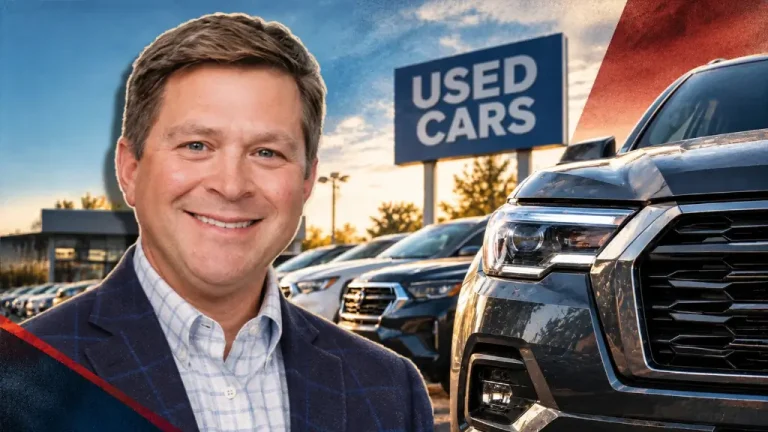
Selling a dealership is more than just getting the right number. Owners also have to consider what happens to their family, employees and community once they step away. For some, that means passing the business to the next generation, and for others, selling to an outside buyer may be the best way to protect what they’ve spent a lifetime building.
Gerrick Wilkins, Founder and CEO of Omega Advisors, explores those decisions in his new book, Road to Legacy: Navigating Buy-Sells, Valuations, Succession and Giving, and Planning for What’s Next. Joining us on today’s Inside Automotive episode, Wilkins said conversations with dealers often go beyond valuations and transaction terms, as owners want to know whether their children should take over, what will happen to longtime employees, and how the dealership can continue supporting its community.
According to Wilkins, one of the biggest factors in a successful transition is building a dealership that can operate without its owner. He said buyers want to know whether a store depends on one person to keep things running or has a strong management team ready to carry it forward. Developing that leadership bench and maintaining sound operations can help protect the dealership’s long-term value.
Navigating the complexities of family succession
However, Wilkins says family succession brings its own challenges. While dealers should ensure their children genuinely want to enter the business rather than assuming the next generation will take over, he shared that his daughter helped with dealership advertising, but her reaction to working deals made it clear automotive retail wasn’t the right fit for her. For families with multiple children, the transition can be even more complicated, especially when some are involved in the business while others have chosen different careers. Wilkins said a sale can be structured so an interested family member remains involved while other family members are treated fairly.
Selling to an outside buyer doesn’t have to mean giving up the family’s legacy, either. According to Wilkins, some buyers are willing to keep the family name on the dealership, while other owners may prefer a different arrangement to protect their reputation in the community. Scholarships, charitable funds and continued community involvement can also help families maintain a connection to the business and the people it serves.
Integrating philanthropy into exit planning
Owners should also consider what happens to longtime employees after a sale. While sellers can’t control every decision a new owner makes, Wilkins said they can evaluate a buyer’s reputation and track record before choosing a partner. Some transactions also include bonuses for longtime employees at closing. He notes that a buyer’s ability to retain and support a strong workforce matters, particularly in an industry where experienced employees are difficult to find.
"Cause frankly, the money's important, but it's not the only consideration in a transaction. And we've seen that in, in some recent deals where we've actually had owners who opted to take a little bit less money... because they wanted to make sure their people were taken care of.”
Additionally, Wilkins encourages dealers to make philanthropy part of their exit planning. He discussed donor-advised funds and transferring shares before a sale, stressing the importance of working with accounting, legal, and buy-sell advisors to determine the right approach. For Wilkins, giving back is another way dealers can preserve their legacy, whether through scholarships, trade schools or technician training programs. He shared that his family helped launch a high school technician training initiative in Birmingham called TUNA, and that proceeds from his book’s launch-month sales would support the program.
Ultimately, Wilkins said a successful dealership transition should account for more than the financial outcome. Planning ahead gives owners more options for their families, employees and communities, while helping ensure that the business they’ve built leaves a lasting impact.