On the Dash:
- BMW’s third-quarter pre-tax earnings fell 11% to €2.1 billion, while its automotive operating margin narrowed to 3.4%.
- The automaker lowered its full-year automotive margin forecast to between -0.5% and 0.5%, citing restructuring costs and a weaker outlook for vehicle deliveries.
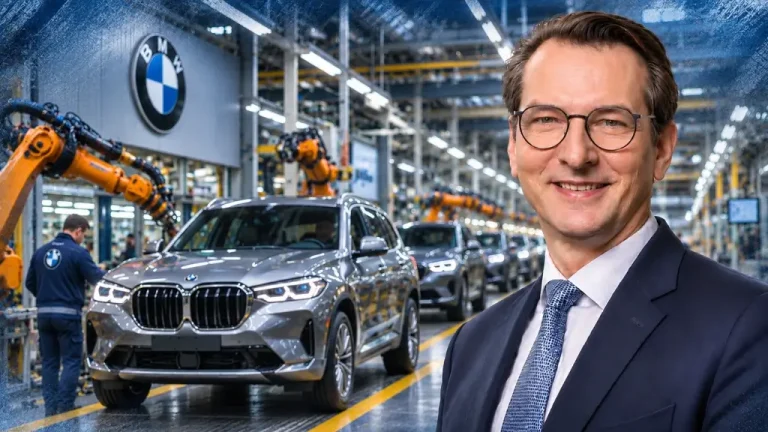
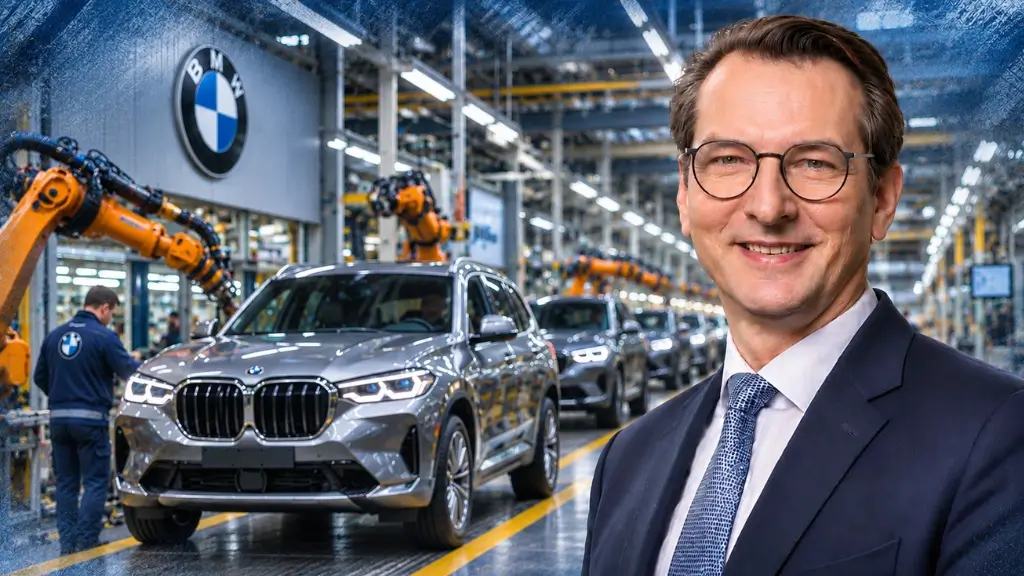
- BMW is accelerating Neue Klasse production, expanding factory shifts and targeting workforce reductions as it works to restore automotive margins to 8% to 10% by the start of the next decade.
BMW announced third-quarter pre-tax earnings of $2.36 billion (€2.1 billion), down 11% from the previous year, in line with analyst expectations. The operating margin in its core automotive business narrowed to 3.4%, down from 5.2% a year earlier. However, this margin exceeded the consensus estimate of 3.1%, as strong demand for newer models, particularly the iX3 SUV, supported automotive margins. The automaker also expects its automotive segment to generate over €2.5 billion in free cash flow this year.
BMW has lowered its full-year outlook due to rising restructuring costs, marking the second reduction in its 2026 automotive operating margin forecast in less than five months. The updated forecast ranges from -0.5% to 0.5%, a drop from the previous range of 1% to 3%. The company also anticipates significant restructuring costs in the fourth quarter, including expenses related to plans to eliminate around 8,000 jobs in Germany.
Additionally, the automaker intends to accelerate the reduction of management functions, with a broader reorganization slated for completion by mid-2027. BMW also expects vehicle deliveries to decline moderately year-over-year, contrary to its earlier prediction of a slight decrease.
While BMW is accelerating the rollout of new models on its Neue Klasse platform to boost profitability and compete more effectively with emerging EV rivals, the company has added shifts to increase Neue Klasse production and plans to phase out older models sooner. Production is already underway in Germany, South Carolina, China, and Hungary, where BMW has expanded its factories to run three shifts. The company has invested more than €10 billion in developing its next-generation electric vehicles and software architecture, including new models such as the iX3 SUV and an electric version of the 3-Series sedan.
Notably, BMW faces heightened competition from Chinese automakers, such as BYD, as consumer preferences shift toward EVs. For instance, deliveries in China fell by 25% in Q3, while the automaker faces challenges from the country’s property crisis and weaker consumer demand. Conversely, BMW saw increased vehicle sales in the Americas, with the U.S. market nearly matching China as its largest individual market. To address demand in China, BMW plans to launch a longer-wheelbase version of the iX3 this month, followed by additional Neue Klasse models next year.
Moreover, BMW is focused on returning to its long-term automotive margin target of 8% to 10% by the start of the next decade, while aiming for a margin of up to 5% by 2028. To achieve this, BMW’s strategy includes reducing costs, restructuring management, enhancing factory automation, and increasing the use of artificial intelligence in both manufacturing and corporate operations. CEO Milan Nedeljkovic emphasized that BMW will intensify and accelerate structural measures to adapt to changes in the automotive industry.