On the Dash:
- Canada is targeting C$1 trillion, or about $720 billion, in investment over the next five years to strengthen domestic growth.
- The government is pitching more than 160 projects spanning advanced manufacturing, data centers, ports, energy and mining.
- Trade tensions with the U.S. are increasing pressure on Canadian businesses, including auto parts and other manufacturing suppliers.
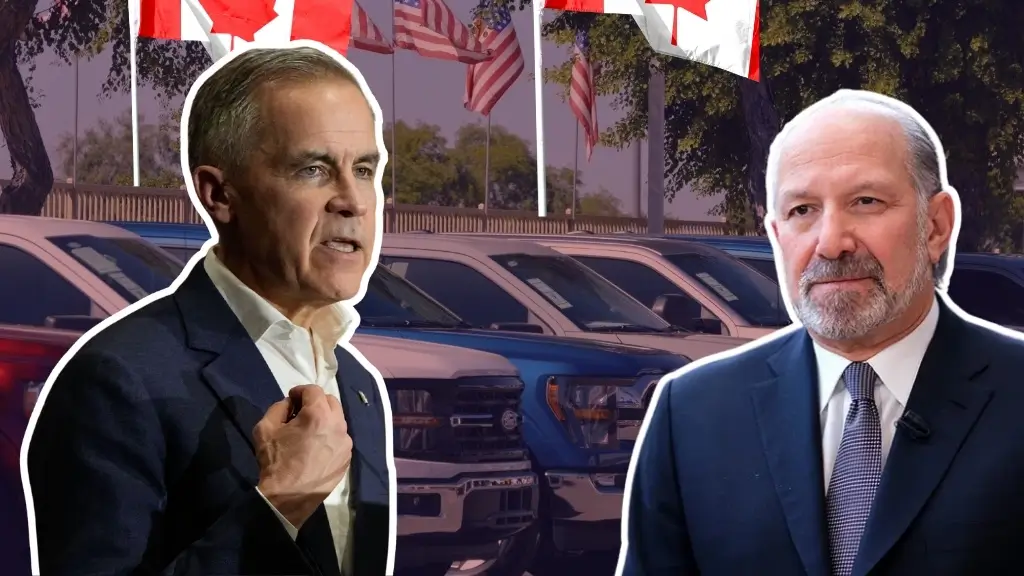
Prime Minister Mark Carney is leveraging the trade standoff with the United States to accelerate Canada’s push for foreign investment. Walking away from trade talks with President Donald Trump proved politically popular, but new 50% tariffs on $20 billion of Canadian goods are hitting small and mid-sized businesses, and jobs data already show strain in sectors such as auto parts and forestry.
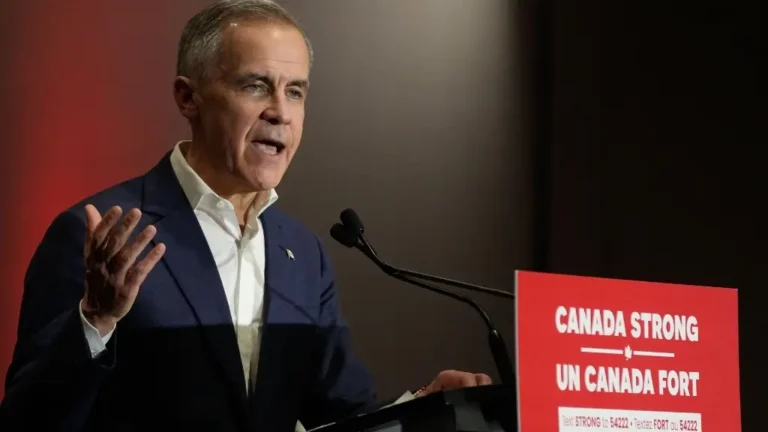
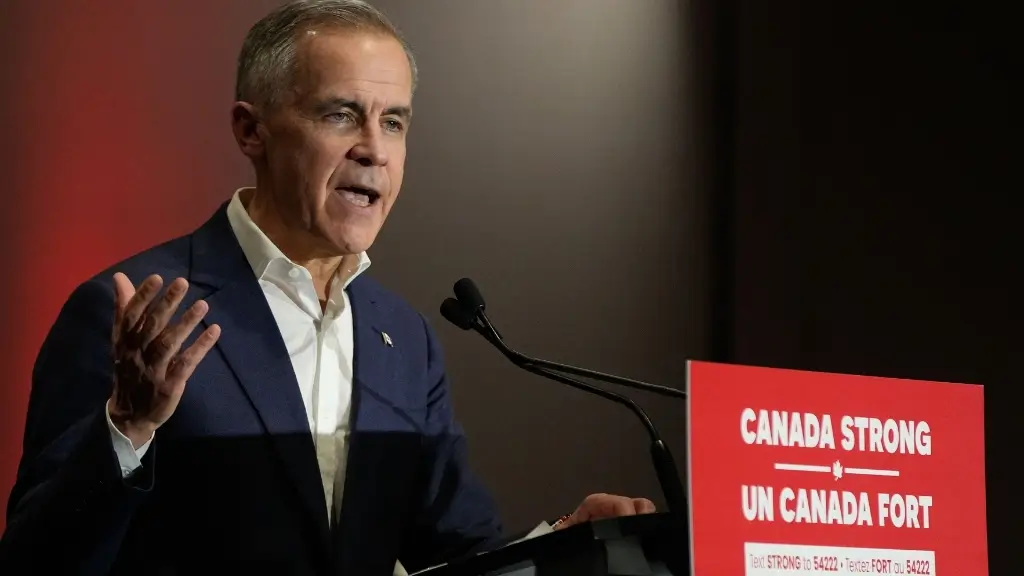
To fund a broader economic overhaul, Carney is betting on convincing investors that Canada offers attractive returns. Canada hosted its inaugural Canada Investment Summit this week in Toronto, drawing money managers who collectively oversee more than $70 trillion in assets, including executives from Blackstone Inc., Temasek Holdings and Apollo Global Management. The government aims to generate 1 trillion Canadian dollars ($720 billion) in investment over the next five years.
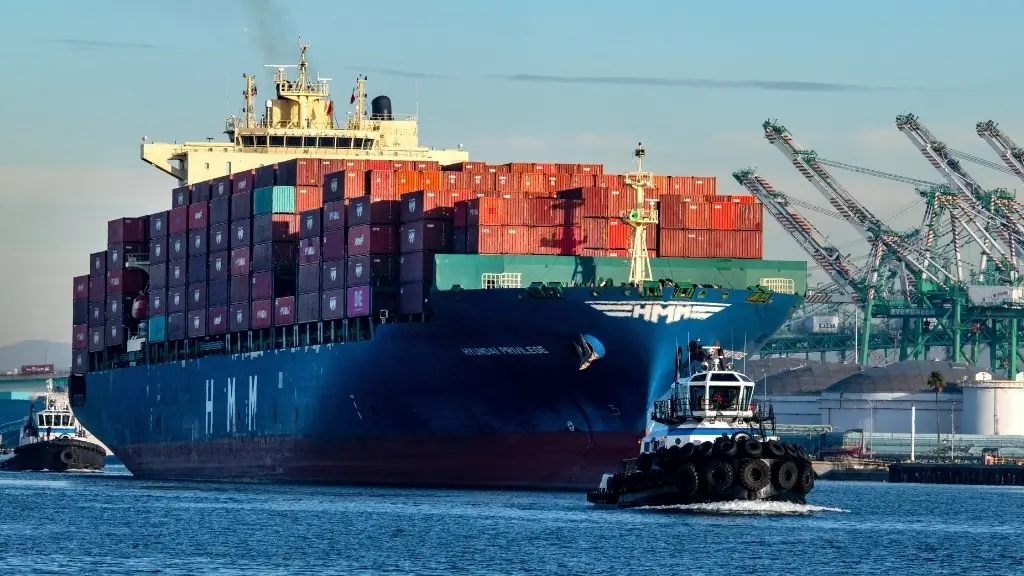
Summit attendees are reviewing a prospectus featuring more than 160 projects that need hundreds of billions of dollars in funding, spanning data centers, advanced manufacturing facilities, LNG terminals, ports and dozens of mines. More than a third of the listed projects involve minerals and mining, including a $1.1 billion gold and copper project in Quebec from Troilus Mining Corp.
Manufacturing could benefit
Additionanlly, Carney is pursuing pro-business tax and regulatory reforms, exploring the privatization of public assets such as airports, and expanding defense spending. His government has created a separate office to streamline major project approvals, and it’s promoting a proposed crude-oil pipeline to Canada’s west coast alongside a C$14.5 billion (about $10.5 billion) data center campus in Alberta.
Nevertheless, the prime minister is also looking beyond the U.S. for new trade and investment relationships, as he is expected to fly to France immediately after the summit to announce a closer trade and security alliance between Canada and the European Union. Diversifying export markets could give Canadian companies new avenues for growth, though the U.S. remains Canada’s largest trading partner and severing those ties completely is not realistic.