On the Dash:
- Automakers must base overseas pricing on production costs and market conditions while avoiding disruptive price changes.
- The rules mandate strict adherence to antitrust laws, anti-corruption standards, truthful marketing, and local labor law compliance.
- China exported 8.32 million vehicles to over 200 markets in 2025.
Chinese regulators issued new guidelines directing automakers expanding internationally to strictly adhere to outbound investment laws and host-nation regulations, according to the Ministry of Commerce (MOFCOM), the Ministry of Industry and Information Technology and the State Administration for Market Regulation.
To protect the international reputation of Chinese automotive brands, regulators are requiring companies to strengthen their antitrust compliance, implement anti-corruption safeguards, and uphold local corporate social responsibility standards. A core pillar of the directive centers on pricing strategy, such as ensuring that vehicle prices abroad reflect realistic production costs and local market conditions rather than aggressive discounting to undercut competitors. The guidelines explicitly warn against steep, frequent price swings that destabilize local markets, undermine consumer trust, or trigger trade disputes.
Additionally, marketing practices are facing tighter scrutiny; as per the guidelines, automakers must provide transparent product disclosures and eliminate misleading claims in foreign advertising campaigns. Beyond sales strategies, companies are expected to tailor exported models to local market requirements, comply fully with regional labor and safety regulations, and establish robust risk-management protocols to navigate evolving political and economic climates abroad.
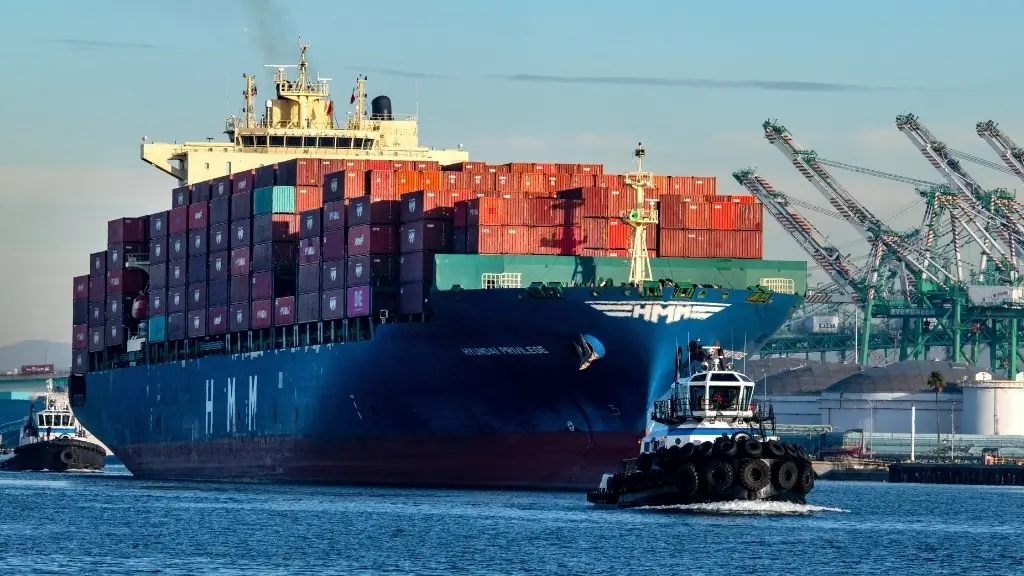
The policy shift comes as Chinese auto brands look beyond a highly saturated domestic market. In 2025, China exported 8.32 million vehicles to more than 200 countries and regions while establishing local manufacturing projects in over 80 markets. As its global footprint expands, Beijing is shifting focus from rapid export volume growth to long-term operational discipline.