
On the Dash:
- August new-vehicle sales remained solid, with the 16.8 million-unit SAAR running ahead of the full-year 2026 forecast.
- Hybrid demand continues to strengthen as BEV share falls, giving dealers a larger pool of customers seeking electrified vehicles without going fully electric.
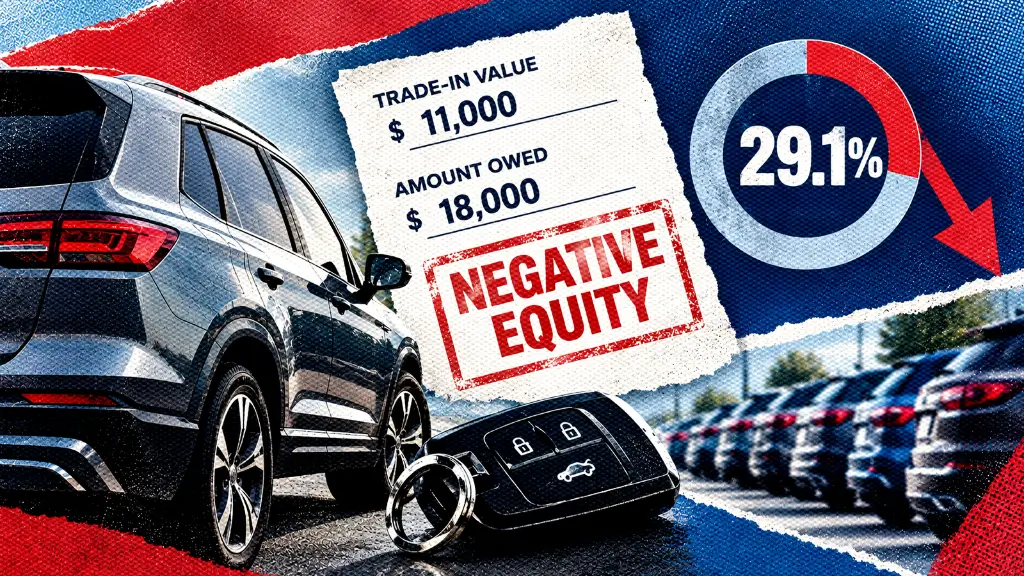
- Affordability remains a challenge, with average monthly payments reaching a record $812 despite largely unchanged borrowing costs.
According to the latest NADA Market Beat forecast, new-vehicle sales remained solid in August, with the industry posting a seasonally adjusted annual rate (SAAR) of 16.8 million units. The pace was up 1.5% from a year earlier and remained ahead of expectations for 2026.
Raw sales reached 1.38 million units, up 1.3% from July. Through August, new light-vehicle sales are tracking at a 16.1 million-unit SAAR, slightly above the projected 16.0 million-unit pace for the full year.
The market’s powertrain mix continues to shift, however. Battery-electric vehicle (BEV) share fell sharply after last year’s federal EV tax credit helped drive demand. BEVs accounted for 6.2% of new-vehicle sales in August, down from 10.1% a year earlier. Conventional hybrids captured much of that lost share. Hybrid vehicles represented 15.7% of August sales, up 3.1 percentage points from August 2025.
The shift could accelerate through the remainder of the year. Without a federal EV tax credit, hybrid sales are expected to grow rapidly, while BEV market share is projected to increase more gradually.
Despite steady demand, affordability remains a challenge for dealers and consumers. JD Power estimates the average new-vehicle monthly payment reached $812 in August, a 3.7% increase from a year earlier. It would also mark the highest payment recorded for any August.
Borrowing costs provided little relief. The average interest rate on a new-vehicle finance contract is estimated at 6.55%, only six basis points below last year’s level.
A strong equity market could support sales during the final months of 2026. However, higher borrowing costs and disruptions to global commodity flows tied to the war in Iran could weigh on demand. Still, the outlook remains relatively stable, with industry sales expected to reach at least 16.0 million units this year.