On the Dash:
- NHTSA escalated its investigation to a formal engineering analysis after receiving additional reports of brake-assist loss in GM vehicles equipped with the eBoost system.
- The probe now covers 12 GM models from 2023-26, along with the Honda Prologue and Acura ZDX, encompassing an estimated 1.16 million vehicles.
- Dealers should monitor the investigation closely because a common component issue across multiple models could affect service volume and recall activity if regulators determine a safety defect exists.
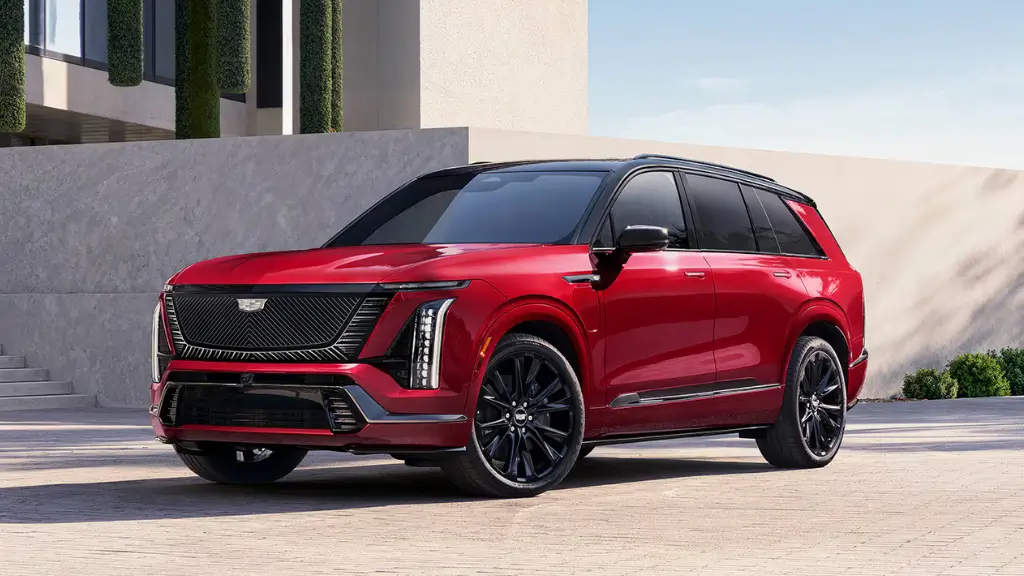
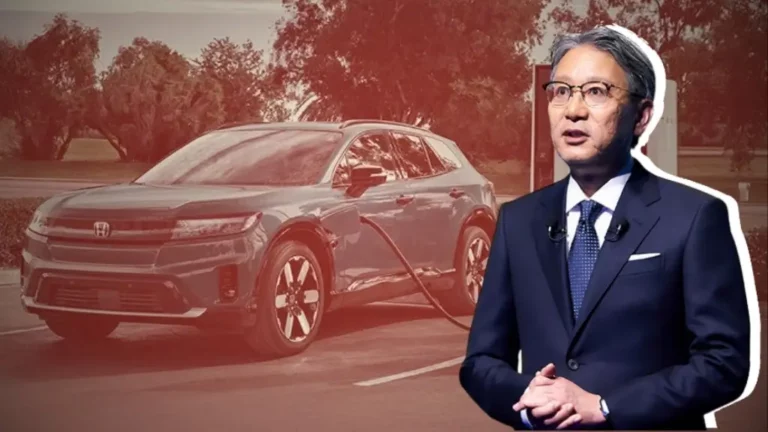
Federal regulators opened a preliminary investigation into brake-assist loss in the 2023 Cadillac Lyriq electric SUV in April 2024. The National Highway Traffic Safety Administration (NHTSA) has since escalated that investigation to a formal engineering analysis, expanding it to cover 11 additional GM models, as well as the Honda Prologue and Acura ZDX, which use the same eBoost brake system.
According to NHTSA filings, the engineering analysis, opened Aug. 21, now encompasses an estimated 1.16 million vehicles. The investigators aims to determine whether the reported issues pose an unreasonable safety risk that could require a recall.
GM has identified spindle fractures in the eBoost system as a potential cause, and the automaker has said affected vehicles remain functional until they come to a complete stop. However, newer complaints describe an immediate loss of brake assist while drivers are actively braking. NHTSA has warned that this type of failure could extend stopping distances and increase the risk of a crash or injury.
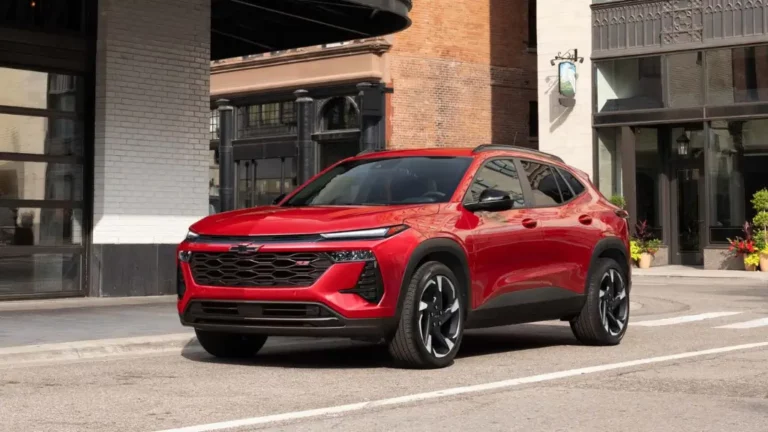
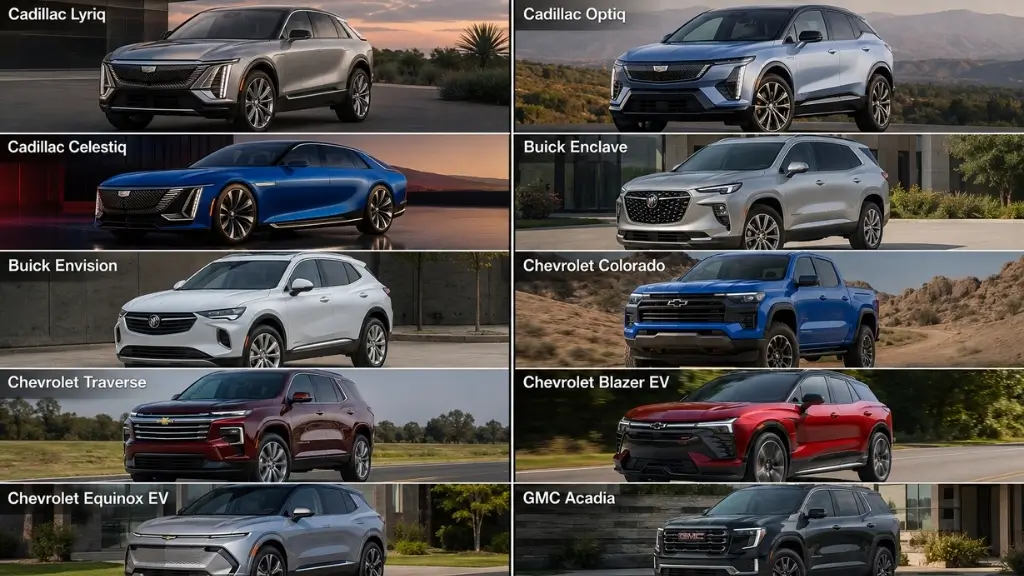
The investigation now spans a wide range of GM vehicles, with model years ranging from 2023 to 2026, depending on the vehicle, including:
- Cadillac Lyriq
- Cadillac Optiq
- Cadillac Celestiq
- Buick Enclave
- Buick Envision
- Chevrolet Colorado
- Chevrolet Traverse
- Chevrolet Blazer EV
- Chevrolet Equinox EV
- GMC Acadia
- GMC Canyon
- GMC Cruise Origin
The analysis also covers the 2024-2026 Honda Prologue and Acura ZDX, which GM builds under a joint venture with Honda.
NHTSA has logged 745 unique failure reports tied to the eBoost system, including 22 crashes or fires and six injuries. No fatalities have been reported.
GM has said its own investigation found the reported issue does not present an unreasonable risk to motor vehicle safety. However, it’s important to note that neither GM nor federal regulators have issued a recall related to the eBoost system so far.
This investigation arrives amid a surge in vehicle recalls, with recalled vehicles hitting a five-year high in the first half of 2026, according to a study by Sedgwick. The growing use of shared platforms, electronic components and software means a single defect can increasingly affect multiple models at once. For dealers, that trend could translate to larger service campaigns and higher demand for parts and technicians if a formal recall follows.
NHTSA has also opened a separate engineering analysis into nearly 1 million GM pickups and SUVs over potential engine failures. That investigation covers the Cadillac Escalade, Chevrolet Silverado 1500 and GMC Yukon, along with other models equipped with GM’s 6.2-liter V-8 engine. Together, the two investigations could create additional demands for service and customer communication at affected GM dealers.