
On the Dash:
- The latest restrictions reinforce the administration’s push to reshore advanced manufacturing and critical technology production.
- Increased scrutiny of Chinese technology could further reshape automotive supply chains and sourcing strategies.
- Dealers should monitor how new trade restrictions affect vehicle technology costs and supplier relationships.
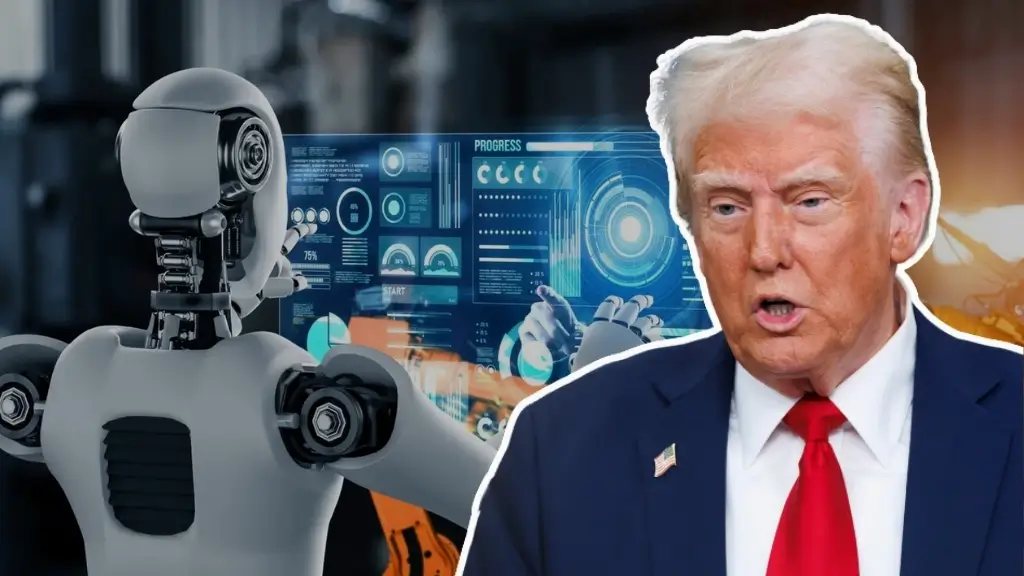
The Trump administration banned imports of newly approved Chinese humanoid robots, quadruped robots and connected power inverters, citing national security concerns. Reuters first reported the coming restrictions Tuesday, citing U.S. officials, before the Federal Communications Commission (FCC) published the measures that afternoon. The FCC said the measures took effect immediately upon publication.
Officials told Reuters the action is intended to protect U.S. critical infrastructure, AI development and domestic manufacturing.
While the FCC said connected devices could create cybersecurity vulnerabilities, enable data collection or disrupt critical infrastructure, officials also told Reuters the restrictions reduce reliance on Chinese technology in industries expected to see rapid growth, including AI and robotics.
Notably, Treasury Secretary Scott Bessent has separately warned that Chinese AI companies could face U.S. sanctions for stealing American intellectual property, according to Reuters.
Restrictions target future products
The ban applies only to new robot and inverter models that have not yet received U.S. authorization. The FCC, however, retains authority to revoke approvals for existing products if warranted. Reuters reported the FCC is expected to exempt many non-Chinese suppliers from the restrictions, similar to how it handled previous bans on foreign drones and routers.
Further, Reuters reported, citing Counterpoint Research, that the restrictions are expected to hit Unitree, a global leader in humanoid robots that holds just under a fifth of the world market. The Pentagon recently added Unitree to its list of alleged Chinese military-backed companies.
Despite Reuters reporting that China hawks in Washington fear the robots could collect sensitive data or be used for espionage, the administration also targeted Chinese-made power inverters, citing concerns over grid security and the data centers that support AI infrastructure.
Officials said the policy aligns with broader efforts to reduce dependence on Chinese technology following concerns over rare earth minerals, telecommunications equipment and cyberattacks.
What’s next
The FCC is expected to exempt many non-Chinese suppliers, similar to previous actions involving drones and networking equipment, Reuters reported. Existing authorized products are not immediately affected, although the FCC retains authority to revoke approvals in the future. The restrictions add to the administration’s broader campaign to tighten oversight of Chinese technology entering the U.S. market.