On the Dash:
- Faster distribution could reduce delivery times for Mitsubishi dealers in the Gulf Coast and Midwest.
- Expanded port capacity gives Mitsubishi greater flexibility if supply chain disruptions occur elsewhere.
- Continued investment in U.S. logistics networks signals automakers remain focused on improving inventory flow and vehicle availability.
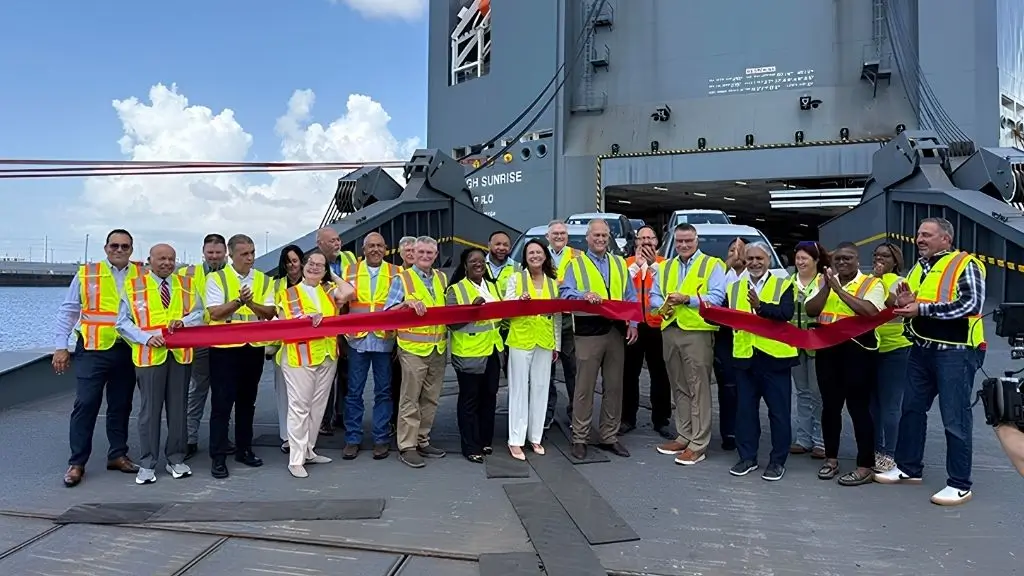
Mitsubishi has partnered with port operator AMPORTS and Port Freeport in Texas to expand vehicle imports from Japan through the Gulf Coast. According to Jeremy Barnes, Mitsubishi Motors North America’s Senior Director of Communications and Events, said in the company’s media release that the company selected Port Freeport to import additional automotive volumes and drive faster vehicle delivery to its dealer partners.
Mitsubishi began operations at Port Freeport on April 28, with more than 500 vehicles arriving during the first month. The agreement gives Mitsubishi a new entry point on the Gulf Coast and aims to accelerate deliveries to dealerships across the Gulf Coast and the Midwest.
Improving supply chain efficiency
Port Freeport’s location shortens the inland routes Mitsubishi needs to reach key Midwest markets, and the company expects the move to reduce delivery times while adding flexibility to its broader U.S. supply chain. Barnes said transporting vehicles carries its own complexities because they are large and difficult to move, and building efficiencies into the system helps Mitsubishi meet customer expectations.
Additionally, AMPORTS unloads the imported vehicles, oversees on-site processing and prepares them for shipment to dealerships. According to Barnes, the port’s infrastructure, tenants, and industry partners provide capabilities including vessel operations, terminal services, vehicle processing, storage, and truck and rail connectivity. AMPORTS’ stevedoring teams receive the vehicles and move them directly into on-site processing, an integrated approach designed to reduce operational complexity and improve coordination across the supply chain.
Mitsubishi’s move reflects a broader push among automakers to strengthen their domestic import and distribution networks. Other facilities, including the Port of Charleston, are investing in additional rail capacity and vehicle handling infrastructure to keep pace with growing automotive volumes nationwide.