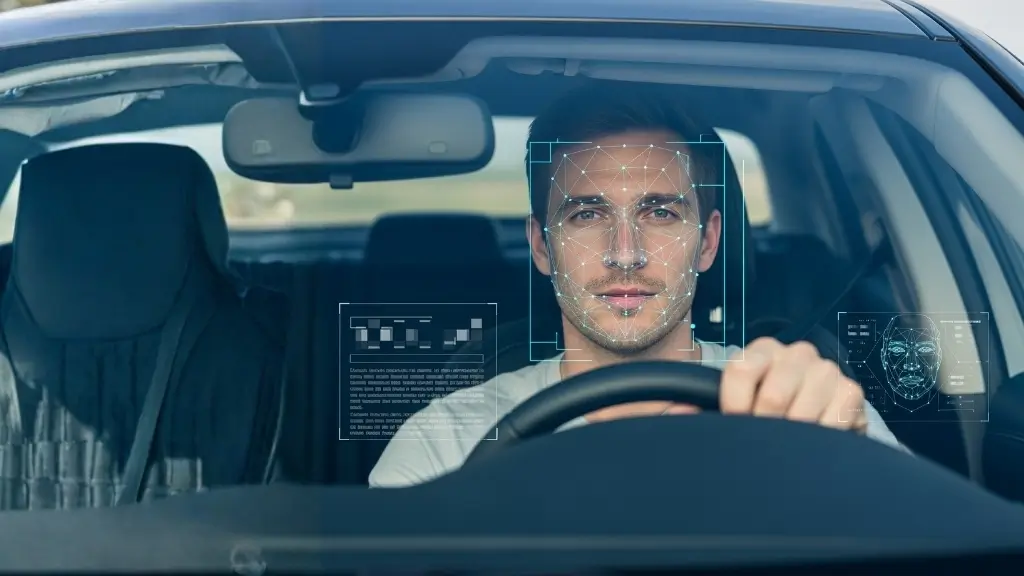
Imagine buying a brand-new vehicle and discovering it comes with a camera pointed at the driver. It is designed to watch you every time you drive.
Not the road. Not traffic.
Just you and the others in your car.
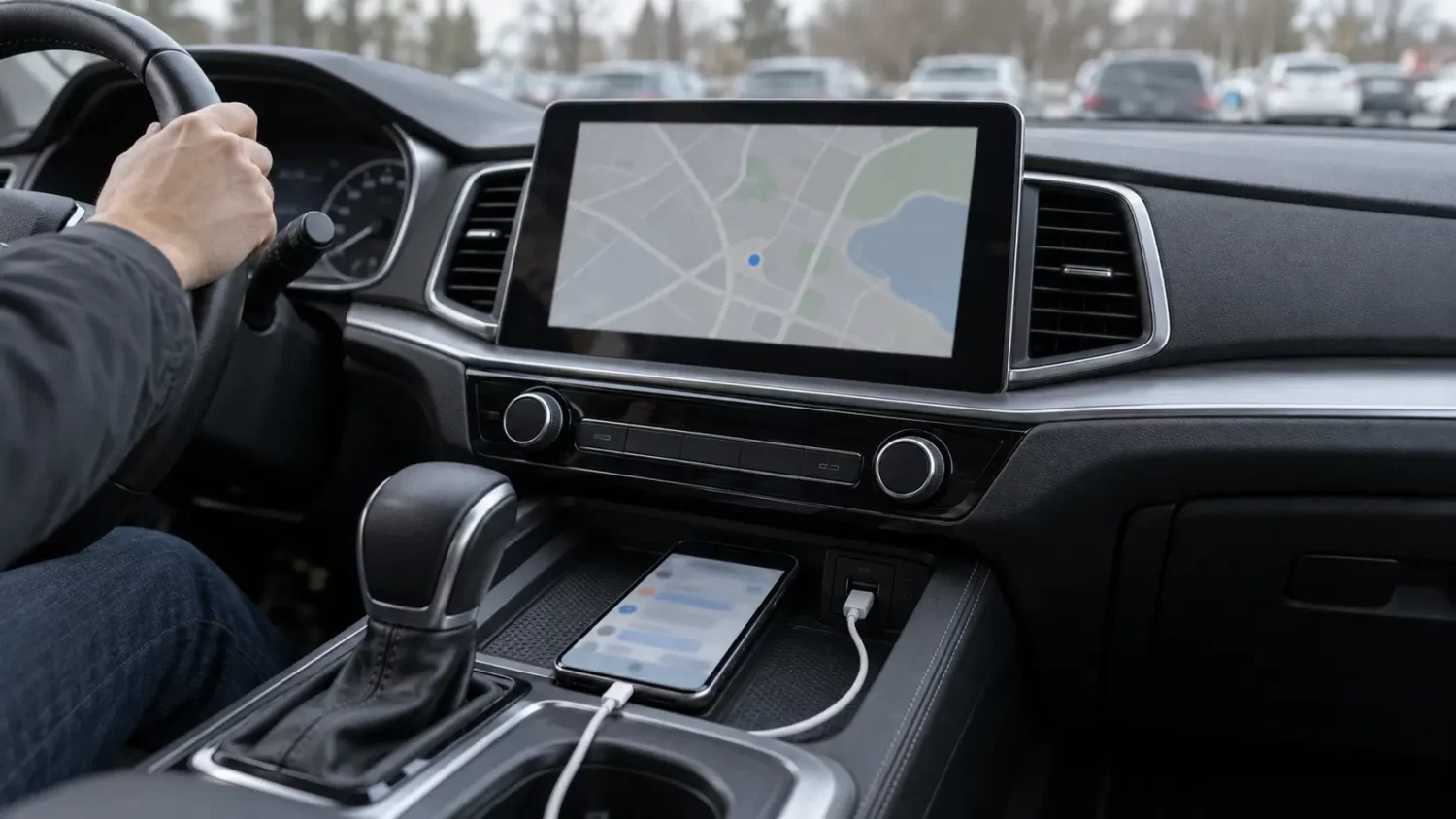
As of this week, that’s no longer optional across the European Union. Every new passenger car and van registered in the EU must be equipped with an interior camera as part of an Advanced Driver Distraction Warning system. I love the name as we know there is way more to this tactic. The technology activates once the vehicle reaches about 12 mph, tracking your eyes, head position, and attention. If it decides you’re distracted or drowsy, it issues a warning.
Officials say it’s about saving lives.
No one disputes that distracted driving is a serious problem. The question is whether constant monitoring is the only solution, or whether it opens the door to something much larger. It really all about control; don’t kid yourself.
According to the European Commission, the system is designed as a closed-loop safety feature. It does not record video or transmit footage outside the vehicle. Today, the camera simply watches, analyzes your behavior, and provides an alert when it believes you’ve lost focus. Where is the footage going, where is that data going and is it just a warning or a warning of the future as you allow yourself to be monitored.
But that’s what caught my attention.
Once every new vehicle is required to have an interior camera, the hardware is already in place. Expanding what that hardware can do no longer requires redesigning millions of vehicles. It only requires new regulations, new software, or new agreements over how the data is used.
We’ve seen this pattern before.
Safety regulations have steadily added technology to our vehicles for decades. Seat belts, airbags, anti-lock brakes, electronic stability control, backup cameras, automatic emergency braking, and forward collision warning; all became standard because they delivered measurable safety benefits. Most drivers accepted those changes because they protected occupants without fundamentally changing the relationship between the driver and the vehicle.
An interior camera is different.
It isn’t watching traffic. It’s watching the person behind the wheel.
That’s an important distinction.
Europe may be moving first, but the United States isn’t far behind. The 2021 Infrastructure Investment and Jobs Act directed the National Highway Traffic Safety Administration to develop rules requiring advanced impaired-driving prevention technology in future vehicles. While NHTSA has acknowledged that passive detection systems are not yet ready for widespread deployment, in-cabin monitoring remains one of the technologies under consideration.
In other words, this conversation is already happening here.
What makes that more concerning is how much information modern vehicles already generate. Over the past several years, investigations revealed that automakers including General Motors and Honda shared driving behavior data, including hard braking, rapid acceleration, speeding events, and time-of-day driving patterns, with data brokers. Those brokers, in turn, provided information used by insurance companies to help determine premiums.
Most drivers never realized their vehicles were quietly building a behavioral profile.
Now imagine adding a camera that knows whether you looked at your navigation screen, reached for your coffee, glanced toward your child in the back seat, or appeared tired after working a long shift.
That isn’t just more technology. It’s another layer of behavioral data.
At the same time, Americans have watched roadside surveillance expand dramatically. Automated license plate reader networks, originally promoted as tools to recover stolen vehicles and solve crimes, now capture far more than license plates. Using artificial intelligence, these systems can identify vehicle make, model, color, distinctive features, bumper stickers, roof racks, and travel patterns. Information is routinely shared across agencies and jurisdictions.
Each system has its own purpose.
Together, they paint an increasingly complete picture.
Roadside cameras monitor where your vehicle travels.
Telematics monitor how you drive.
Now interior cameras monitor what you’re doing inside the vehicle.
Each development is presented independently. Viewed together, they reveal something much bigger: the automobile is evolving from a machine that provides personal mobility into one that continuously observes its driver.
It’s also worth asking who benefits.
Camera manufacturers now have a guaranteed market because every new vehicle sold in Europe requires their technology. Software developers secure long-term licensing contracts. Automakers pass compliance costs on to consumers through higher vehicle prices. Data companies gain another potential source of valuable behavioral information. Insurance companies gain access to increasingly detailed insights into driver behavior.
Consumers pay for all of it.
They pay more for the vehicle, while giving up another measure of privacy inside what has traditionally been one of the last personal spaces people control. Supporters argue these systems only issue warnings, and today that’s true.
But history suggests technology rarely stays limited to its original purpose once the infrastructure exists. Software evolves. Regulations change. Features expand. Data that wasn’t considered valuable yesterday often becomes indispensable tomorrow.
We’ve already watched driving data migrate from vehicles to data brokers and eventually to insurance companies. We’ve watched roadside camera systems expand well beyond their original mission. Neither happened overnight. Both happened one step at a time.
This was not put in place because Europe wants to reduce distracted driving. Every responsible driver wants safer roads.
My concern is what happens after every new vehicle comes equipped with hardware designed to watch the person behind the wheel.
The automobile has always represented personal freedom. When driving increasingly means being observed, analyzed, and potentially scored, we’ve crossed into a very different relationship between drivers, their vehicles, and the institutions that regulate them.
The European Union has already made that choice. Americans should decide whether they’re comfortable taking the same road before it quietly becomes the only one available.
Check out my full commentary on this story: https://youtu.be/60TKnjPAcxk
Looking for more automotive news? https://www.CarCoachReports.com
Listen to The Drive Car Show – https://www.youtube.com/@thedrivecarshow