On the Dash
- Nissan and Toyota have both issued dealer bulletins rationing 0W-20 and 5W-30 synthetic oil as Group III base oil supply runs roughly 44% below normal capacity.
- An attack on Shell’s Pearl GTL facility in Qatar has taken a major source of synthetic lubricant offline, with repairs expected to take months.
- The Independent Lubricant Manufacturers Association does not expect lubricant pricing pressure to ease until at least mid-2027.
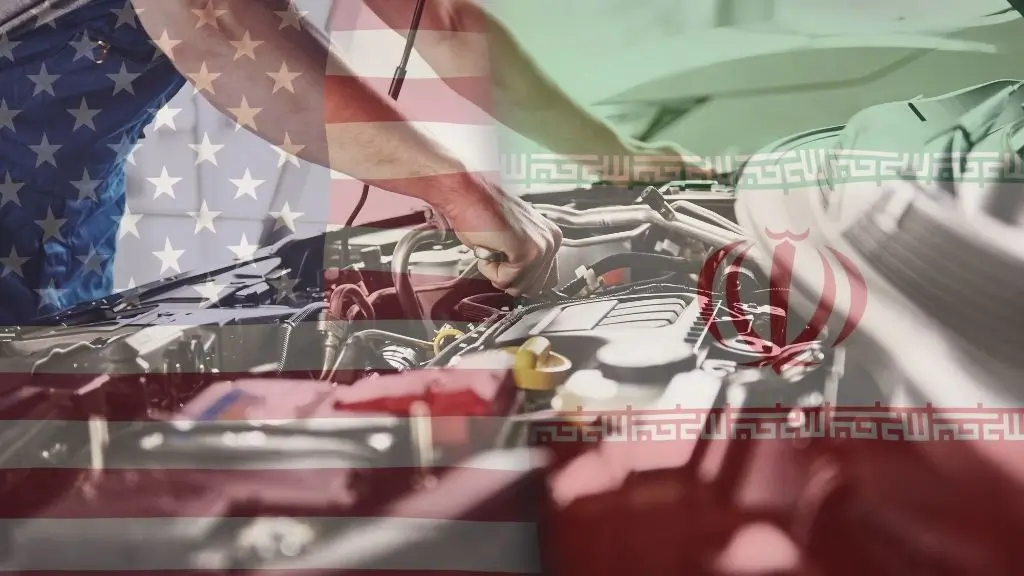
Auto dealerships and repair shops across the U.S. and Japan are grappling with shortages of motor oil, paint products and other petroleum-derived materials as the Middle East conflict continues to disrupt global supply chains. However, industry experts say a preliminary U.S.-Iran agreement is unlikely to bring quick relief.
The Strait of Hormuz closure has blocked nearly a fifth of global oil flows, creating bottlenecks across petroleum-derived product categories. Even if the preliminary deal holds, analysts say shipments through the strait will take time to normalize.
In March, an attack struck Shell’s gas-to-liquids facility in Qatar, constraining a major producer of Group III base oil, a high-grade ingredient essential to synthetic motor oil.
Group III base oil supply is now running roughly 44% below normal capacity, pushing wholesale prices past $10 per gallon. The Independent Lubricant Manufacturers Association (ILMA) does not expect pricing pressure to ease until at least mid-2027.
Additionally, Nissan and Toyota have both issued dealer bulletins limiting allocations of 0W-20 and 5W-30, the most common factory-fill grades in their U.S. lineups. Because these grades are warranty-required, dealers cannot substitute heavier conventional oil without risking warranty disputes, leaving service departments with limited options.
In Japan, repair shops report shortages of motor oil, paint thinner and diesel exhaust fluid. Pearl white paint, one of the most popular vehicle colors in Japan, has been particularly difficult to source. Some body shops have begun delaying refinishing work while continuing mechanical repairs.
Paint suppliers and collision repair facilities in the U.S. have also reported tighter supplies of coatings and refinishing materials. Analysts say manufacturers may prioritize vehicle production over the repair market as inventories tighten, and pre-emptive bulk ordering by some buyers is adding further pressure to an already strained supply chain.