TSLA378.6702.37%
GM77.960-0.09%
F12.4950.115%
RIVN16.7200.2%
CYD41.830-0.41%
HMC24.3700.03%
TM192.170-0.15%
CVNA406.970-2.11%
PAG160.140-0.28%
LAD276.8601.94%
AN204.0000.93%
GPI339.520-1.87%
ABG200.030-3.03%
SAH71.580-0.26%
TSLA378.6702.37%
GM77.960-0.09%
F12.4950.115%
RIVN16.7200.2%
CYD41.830-0.41%
HMC24.3700.03%
TM192.170-0.15%
CVNA406.970-2.11%
PAG160.140-0.28%
LAD276.8601.94%
AN204.0000.93%
GPI339.520-1.87%
ABG200.030-3.03%
SAH71.580-0.26%
TSLA378.6702.37%
GM77.960-0.09%
F12.4950.115%
RIVN16.7200.2%
CYD41.830-0.41%
HMC24.3700.03%
TM192.170-0.15%
CVNA406.970-2.11%
PAG160.140-0.28%
LAD276.8601.94%
AN204.0000.93%
GPI339.520-1.87%
ABG200.030-3.03%
SAH71.580-0.26%

Foreign automakers warn USMCA uncertainty could force U.S. exits, WSJ reports 

Tariffs and shifts in trade policy threaten the supply of low-cost vehicles and the stability of pricing.

Affordable cars at risk as foreign automakers warn USMCA uncertainty could force exits, WSJ reports 

On the Dash:

  • Entry-level vehicle inventory could decline, tightening supply in a key affordability segment
  • Tariffs may continue to push vehicle prices higher, impacting buyer demand and financing accessibility
  • Ongoing trade uncertainty complicates inventory planning and long-term pricing strategies

Foreign automakers are warning the Trump administration that they may pull their most affordable models from the U.S. market if the U.S.-Mexico-Canada Agreement (USMCA) is not renewed or fails to reduce tariffs, according to people familiar with the discussions.

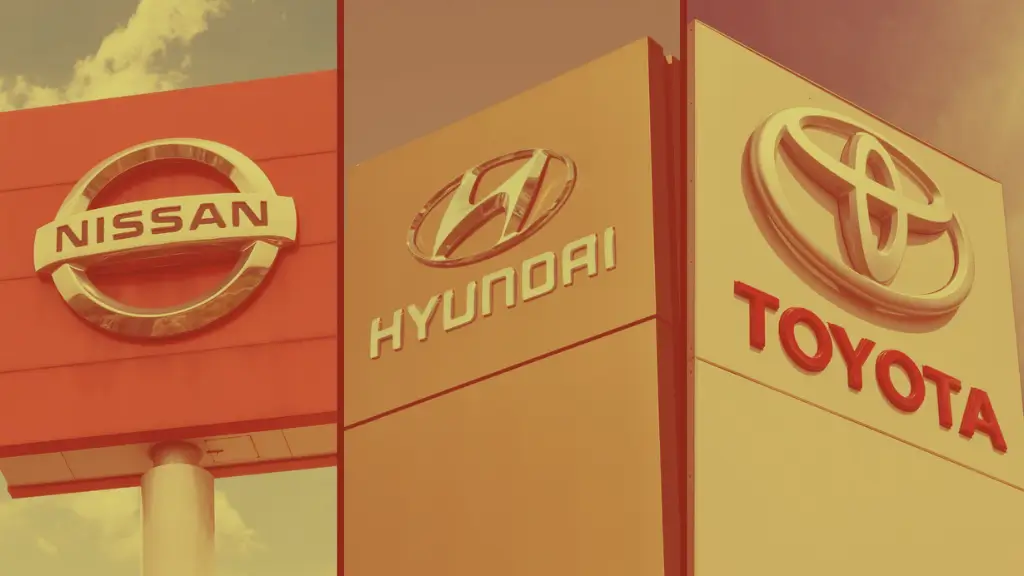
Companies including Nissan, Hyundai and Toyota remain among the few automakers offering new, low-cost vehicles in the U.S., after Detroit-based manufacturers shifted away from small cars toward SUVs and trucks.

Many of these vehicles rely on integrated North American supply chains established under the USMCA, which previously allowed tariff-free trade for vehicles built with parts from the U.S., Canada, and Mexico.

Sign up for CBT News’ daily newsletter and get the latest industry stories delivered straight to your inbox.

The administration has disrupted those supply chains by imposing a 25% tariff on non-U.S. content in vehicles that would have previously qualified for duty-free treatment. Officials have said the tariffs support national security and are considering either revising or replacing the USMCA as part of the agreement’s scheduled review.

Automakers have told administration officials that without a renewed agreement or significant tariff relief, they may no longer be able to profitably produce and sell entry-level vehicles in the U.S. market.

Industry leaders say tariffs on vehicles, parts, steel and aluminum have increased production costs, making already low-margin affordable models even less viable. Some executives report that these pressures are already eroding profitability across North American operations.

The potential loss of affordable vehicles comes as new-car prices remain elevated, with the ATP near $50,000. Lower-cost models, including those imported or built with cross-border components, currently serve as key entry points for budget-conscious consumers.

Foreign automakers produce eight of the 10 lowest-priced vehicles in the U.S., according to industry data, reinforcing their role in maintaining affordability as domestic manufacturers focus on higher-margin segments.

At the same time, the administration has not committed to preserving tariff-free auto trade under a revised agreement. Officials have indicated that future rules may require increased U.S. production and stricter limits on foreign-sourced components.

Automakers say the uncertainty is delaying investment decisions, including potential expansions of U.S. manufacturing capacity. While the administration has introduced limited tariff relief measures, companies say those efforts have not meaningfully reduced cost pressures.

Canada and Mexico continue to push for tariff relief as negotiations progress, though both countries have acknowledged that some level of tariffs could remain in a revised deal.

More from Global Industry News
Geely

Ford and Geely explore U.S. technology collaboration as talks shift focus to Europe

- April 27, 2026
On the Dash: Ford and Geely explored a U.S. technology partnership, but talks have stalled. Both companies are prioritizing a European deal focused on shared production and technology. Regulatory barriers...
Chinese automakers eye U.S. market as global dominance grows 

Chinese automakers eye U.S. market as global dominance grows 

- April 27, 2026
While Chinese automakers are quickly entering global markets, the U.S. remains the only major country without direct sales. Despite existing regulatory and political hurdles, Michael Dunne, CEO of Dunne Insights, predicts...
Stellantis to prioritize four core brands in turnaround strategy, sources say The automaker plans to shift funding toward Jeep, Ram, Peugeot, and Fiat while maintaining its broader portfolio. On the Dash: Expect increased product investment and marketing support for Jeep, Ram, Peugeot and Fiat. Regional and niche brands may see reduced volume but more targeted positioning and shared platforms. Platform-sharing and rebadging strategies could affect inventory mix and model differentiation. Stellantis will concentrate most of its investment on four core brands as CEO Antonio Filosa pushes a turnaround strategy set for release May 21, according to a Reuters exclusive. The automaker has identified Jeep, Ram, Peugeot, and Fiat as its priority brands. It will allocate a “material increase” in funding to them, driven by their stronger global sales and profitability, marking a shift away from the company’s previous approach of distributing investment more evenly across its portfolio. Sign up for CBT News’ daily newsletter and get the latest industry stories delivered straight to your inbox. Stellantis will retain its 14-brand lineup, the largest in the industry, and will not shut down underperforming marques. Instead, the company will reposition secondary brands such as Citroën, Opel and Alfa Romeo to operate in regional or niche roles. These brands will rely on shared platforms and technology developed by the core brands while maintaining distinct styling and market identity. The strategy comes as Stellantis works to regain market share in the United States and Europe while facing growing competition from Chinese EV makers. The company earlier reported a 22.2 billion-euro charge tied to scaling back its EV plans, underscoring the urgency of the strategic shift. Its market valuation has also declined significantly in recent months. To support the transition, Stellantis will expand its use of shared “multi-energy” platforms that support electric, hybrid and internal combustion (ICE) vehicles. Additionally, the company is evaluating rebadging strategies and joint development programs, including collaborations with its Chinese partner, Leapmotor. Executives and investors backing the plan expect the increased focus on core brands to improve efficiency and strengthen financial performance. Analysts say Stellantis could still consider further consolidation if results fall short of expectations. Meta description (140 characters) Stellantis to boost funding for Jeep, Ram, Peugeot and Fiat, shifting strategy while maintaining its 14-brand global portfolio.

Stellantis to prioritize four core brands in turnaround strategy, sources say

- April 24, 2026
On the Dash: Expect increased product investment and marketing support for Jeep, Ram, Peugeot and Fiat. Regional and niche brands may see reduced volume but more targeted positioning and shared...
Tariff pressure drives urgency in 2026 USMCA negotiations

Tariff pressure drives urgency in 2026 USMCA negotiations

- April 22, 2026
On the Dash: Trade negotiations could directly impact vehicle pricing, supply chains and inventory flow across North America Continued tariff pressure may drive higher costs for parts, vehicles and dealership...
CBT News
Privacy Overview

This website uses cookies so that we can provide you with the best user experience possible. Cookie information is stored in your browser and performs functions such as recognising you when you return to our website and helping our team to understand which sections of the website you find most interesting and useful.