On the Dash:
- Both Kia and Toyota are clarifying that any transactions involving brokers who are not the end consumer will not count toward retail sales, incentives, or allocation.
- Non-compliance can directly affect dealer incentives and performance-based programs, making accurate reporting critical for revenue and allocation planning.
- These policies emphasize the importance of adhering to authorized locations, proper coding, and direct consumer sales to maintain brand standards, ensure fair allocation, and avoid potential termination or reallocation of vehicles.
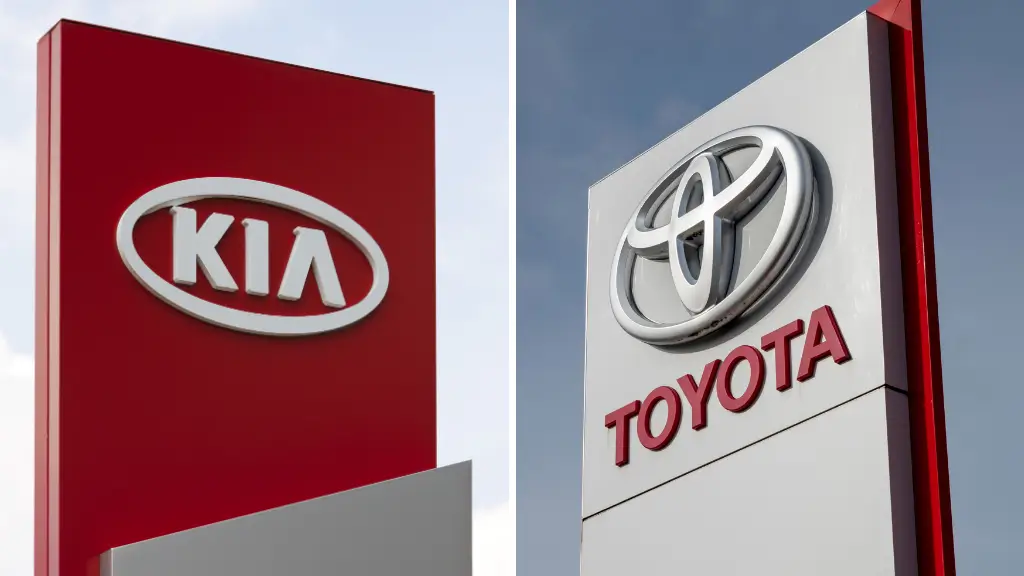
Kia America and Toyota Sales U.S.A. are both reinforcing stricter policies on broker sales, signaling a broader industry push to curb practices that bypass traditional retail channels and distort performance metrics.
In a letter dated April 7, sent to dealers and obtained by CBT News, Kia’s VP of Sales Operations, Eric Watson, outlined renewed enforcement of its broker sales policy, emphasizing that transactions involving brokers will not count as “eligible sales.” These deals will not qualify for incentive payments or contribute to retail sales volume targets, and any misreporting could result in chargebacks. The automaker also reiterated that dealers must properly code broker-related transactions and avoid prohibited activities, including operating outside authorized locations or delegating sales responsibilities to third parties. Kia warned that violations could lead to serious consequences, including potential termination of dealer agreements.
On April 8, CBT News also obtained a similar reminder issued by Toyota to dealers in its New York region, reinforcing that sales to brokers who are not the ultimate consumer violate the intent of its dealer agreement and can undermine brand integrity. The updated Toyota Sales Reporting Policy clarifies that such transactions do not qualify for retail sales credit tied to vehicle allocation or incentive programs.
Toyota further noted that these incentives, including dealer programs tied to performance, account for approximately 2.5% of MSRP, underscoring the financial impact on non-compliant dealers. The company also warned that it reserves the right to adjust vehicle allocations if it determines that a dealer has attempted to manipulate reporting practices by misclassifying broker-related transactions.
Both automakers framed the policy enforcement as necessary to protect brand standards, ensure fairness in allocation systems, and maintain a consistent customer experience. The coordinated timing of the communications highlights increasing scrutiny across the industry as OEMs look to tighten oversight of dealership sales practices.