On the Dash:
- Kia will introduce humanoid robots at a U.S. plant to improve efficiency and reduce labor strain.
- The company is lowering its 2030 EV sales target by more than 20% amid slowing global demand.
- Kia is advancing the development of a software-defined vehicle platform to support future mobility and connected services.
Kia is accelerating its investment in advanced manufacturing and software development in the United States, while scaling back its long-term electric vehicle ambitions in response to shifting market conditions.
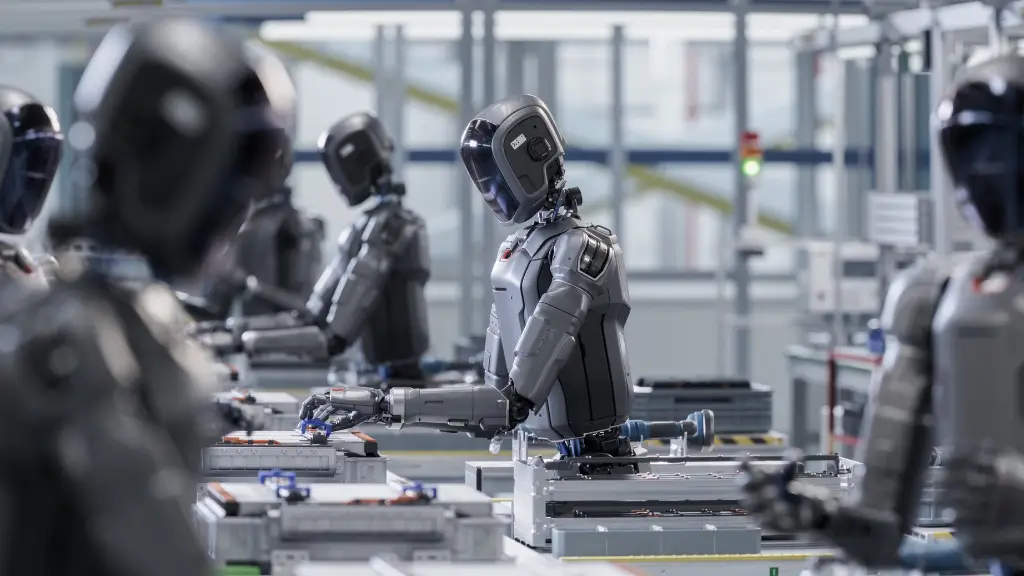
The automaker plans to deploy humanoid robots, developed in partnership with Hyundai affiliate Boston Dynamics, at its U.S. production facilities. The robots are expected to support repetitive, physically demanding tasks, thereby improving operational efficiency and workplace safety.
The move signals a broader push by Kia and its parent group to integrate robotics into automotive manufacturing, particularly as labor shortages and cost pressures continue to affect the sector.
At the same time, Kia is revising its electrification roadmap. The company has reduced its 2030 EV sales target by more than 20%, reflecting softer-than-expected demand in key global markets and growing uncertainty around charging infrastructure and incentives.
Despite the adjustment, Kia maintains that electrification remains central to its long-term strategy, though it will adopt a more flexible approach that includes hybrids and other powertrain options.
In parallel, the automaker is advancing development of its first software-defined vehicle. The platform is designed to enable over-the-air updates, enhanced connectivity, and new revenue streams through digital services, aligning with broader industry trends toward vehicle software integration.
The combined focus on robotics and software underscores Kia’s effort to balance near-term market realities with long-term innovation priorities, particularly in the competitive U.S. market.