On the Dash:
- Stellantis U.S. sales rose 6% in Q3, but market share remains at a historic low of 7.7%.
- Dealer inventory turnover has improved, yet Rams and Chryslers still take longer than the industry average to sell.
- New and refreshed models, increased support staff, and local advertising aim to restore profitability and customer demand.
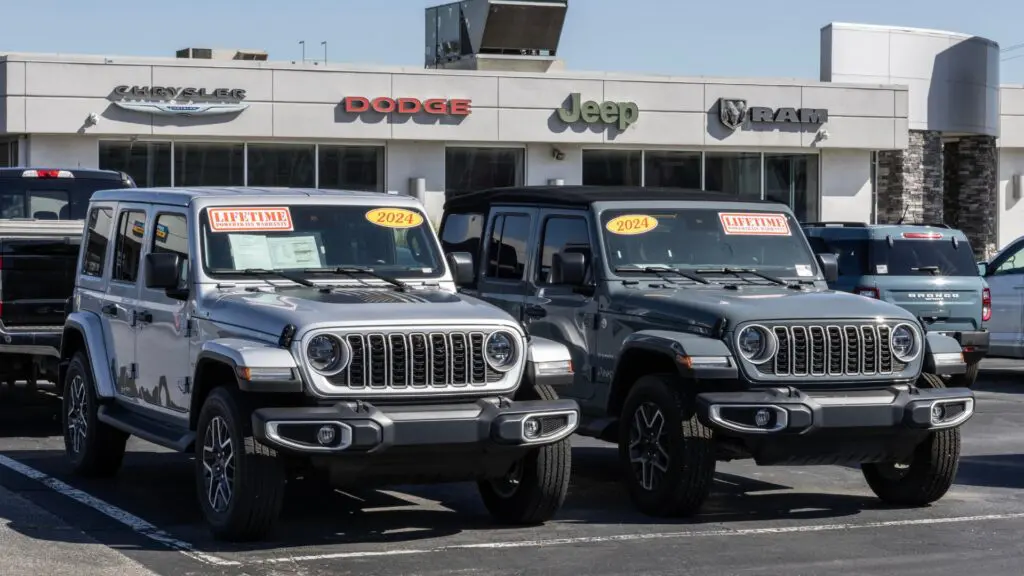
Stellantis dealers are seeing early signs of recovery after a challenging period marked by declining sales, falling profits, and mounting inventory issues. Chrysler, Dodge, Jeep, and Ram retailers experienced some of their lowest earnings since the Great Recession, prompting public complaints over pricing, product offerings, and corporate communication.
The company’s U.S. turnaround is now under new leadership. CEO Antonio Filosa has focused on listening to dealer input, adjusting vehicle prices, streamlining trim levels, and introducing new and refreshed models aimed at U.S. buyers. Stellantis has also added 200 support staff to sales, service, and parts operations and plans to reopen regional business centers, including a new location in Chicago. Local advertising spending will increase to assist dealers in 2026.
Sales figures show cautious optimism. Stellantis’ U.S. sales rose 6% in the third quarter, ending a two-year decline, though year-to-date sales through November remain largely flat. Market share has fallen from 12.5% in 2020 to 7.7% this year, the lowest since the Great Recession. Edmunds data indicates dealer inventory turnover has improved, but Rams and Chryslers continue to take longer than the 63-day industry average to sell.
Dealers anticipate relief from new and returning models. The redesigned Jeep Cherokee, gas-powered Dodge Charger, and new hybrid options aim to restore excitement and profitability. Upcoming launches include a new Ram midsize truck in 2027 and the all-electric Jeep Recon, along with potential gas-powered off-road variants.
Industry analysts note the recovery will be gradual, with incremental improvements over several years as Stellantis rebuilds customer trust and market presence. Dealers report that the combination of fresh models, improved inventory management, enhanced incentives, and corporate support is beginning to restore confidence in their businesses.
While Stellantis still faces challenges in sales velocity and market share, dealers and executives are positioning the company for a gradual return to competitiveness in the U.S. market.